
- Thames Water faces a debt of nearly £20 billion, with a controversial rescue plan proposing a decade-long reprieve from environmental compliance standards. - Over two-thirds of Thames Water customers favor nationalization, according to recent polling. - Thames Water was fined £122.7 million in 2025 for significant failings, highlighting regulatory shortcomings.
Experts argue that the privatized water system in England is fundamentally flawed, prioritizing shareholder returns over infrastructure investment and environmental protection, and that systemic reforms are urgently needed to address widespread pollution and regulatory failures.
People vs Sewage: New Podcast Tackles UK's Water Pollution Crisis
By Gary Clark
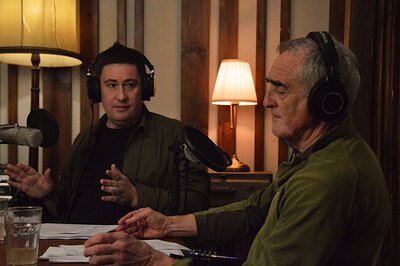
LONDON, UK – March 06, 2026 – As the crisis surrounding Thames Water deepens and public outrage over polluted rivers reaches a fever pitch, a new investigative podcast is amplifying the debate by taking a deep dive into the systemic failures of England's privatised water industry. The podcast, People vs Sewage, marked its full public rollout this month with a new YouTube channel, providing a visual platform for its in-depth discussions.
The inaugural episode features two prominent figures at the heart of the environmental fight: Ashley Smith, the former detective whose investigations inspired the Channel 4 drama Dirty Business, and environmental barrister Paul Powlesland. Hosted by writer Philip Greenwood, the programme dissects the complex financial and regulatory structures that campaigners argue have enabled decades of environmental degradation while limiting accountability.
The launch is acutely timed. Policymakers are currently grappling with the potential collapse of Thames Water, which is labouring under a debt mountain of nearly £20 billion. The ensuing debate over solutions—ranging from a government-managed Special Administration Regime (SAR) to full nationalisation—has exposed deep divisions and highlighted the fundamental flaws within the current system.
The Anatomy of a Crisis: Beyond Thames Water
The precarious situation at Thames Water serves as a stark case study for the issues explored in the podcast. The utility giant, which serves 16 million people, is negotiating a controversial rescue plan with its creditors. Reports suggest this plan involves a significant debt write-down and a fresh capital injection, but comes with a shocking condition: a potential decade-long reprieve from meeting legal and environmental compliance standards. This proposal has been met with widespread condemnation from the public and campaigners.
Recent polling indicates that over two-thirds of Thames Water customers favour nationalisation and want the regulator, Ofwat, to reject the deal. The crisis has laid bare the consequences of a model that has been heavily criticised for prioritising shareholder returns over crucial infrastructure investment. Speaking on the People vs Sewage podcast, Ashley Smith, who turned to environmental campaigning after a career in law enforcement, argued the problems are baked into the system's design.
"The privatised water system was flawed from the outset," said Smith. "Over time it has developed into a structure where pollution can continue while accountability remains limited."
His perspective is shaped by his own exhaustive investigation into sewage discharges on the River Windrush, which brought national attention to an issue many had failed to grasp. The crisis at Thames Water is not an isolated incident but the most acute symptom of a sector-wide malaise, where complex ownership structures and financial engineering have often taken precedence over the public service of providing clean water and managing waste responsibly.
A Broken System: Regulation Under Fire
At the core of the debate is the effectiveness of the regulatory framework itself. Ofwat, the economic regulator, and the Environment Agency, which enforces environmental laws, have faced mounting criticism for failing to prevent the escalating pollution. Despite issuing record fines, including a £122.7 million penalty against Thames Water in 2025 for significant failings, the practice of discharging raw sewage into rivers has continued.
Critics argue that the fines are often seen as a mere operating cost for multi-billion-pound companies and have not been a sufficient deterrent. In February 2026, the Parliamentary Public Accounts Committee raised sharp questions about Ofwat's inability to effectively ban executive bonuses at poorly performing companies, further fuelling public anger.
The government has acknowledged the need for change, releasing a white paper in January 2026 titled "A new vision for water," which proposes a major overhaul of the system. This followed recommendations from an Independent Commission for a "fundamental reset," including the potential creation of a new, single water industry regulator for England to replace Ofwat. However, for campaigners, these potential reforms are long overdue and may not address the core conflict between private profit and public good.
Charting the Filth: A 'Sewage Domesday' for England's Rivers
While much of the discussion focuses on financial and regulatory reform, the podcast also highlighted a radical proposal to address a fundamental lack of data. Barrister Paul Powlesland argued that the true scale of the pollution problem remains dangerously underestimated by the public and even the regulators.
"The majority of people do not realise how severe the sewage pollution problem has become," Powlesland stated during the episode. "Rivers across England are affected, and the regulatory system has struggled to keep pace with the scale of the issue."
To combat this, he proposed a modern-day Domesday Book for pollution—a comprehensive national survey to map every single outfall and discharge point in the country. "What the country needs is effectively a sewage 'Domesday Book'," he urged. "A national effort to map every outfall and discharge point so we can understand the true scale of pollution in our rivers."
The idea, first raised on the podcast, is already gaining traction in environmental circles and was recently referenced by politician Zack Polanski. Such an undertaking would be a monumental task, but its advocates argue it is an essential first step toward genuine accountability and targeted investment, moving beyond the often-incomplete datasets currently available.
A New Digital Frontline in the Fight for Clean Water
By creating a platform for these in-depth conversations, People vs Sewage aims to arm the public with a deeper understanding of the crisis. Host Philip Greenwood emphasised that the podcast's mission is to look beyond the headlines and explore the foundational issues at play.
"The sewage pollution crisis raises broader questions about how essential infrastructure is financed, regulated and governed," Greenwood said. "The aim of the podcast is to bring together campaigners, legal experts and policy specialists to examine those questions in depth."
Future episodes promise to continue this investigative approach, with plans to cover topics such as water company debt structures, the challenges of infrastructure investment, and specific proposals for reforming environmental enforcement. As the political and financial battle over the future of England's water rages on, this new digital frontline is set to become an essential resource for citizens demanding change.