
- $1.33 million in federal funding allocated to expand DAWN Canada's peer support model for disabled GBV survivors.
- 55% of women with disabilities experience intimate partner violence in their lifetime, compared to 37% of women without disabilities.
- 68% of women with mental health-related disabilities and 65% with cognitive disabilities face intimate partner violence.
Experts agree that this investment in a survivor-led peer support model represents a critical innovation in addressing gender-based violence among disabled individuals, as conventional systems often fail to meet their unique needs.
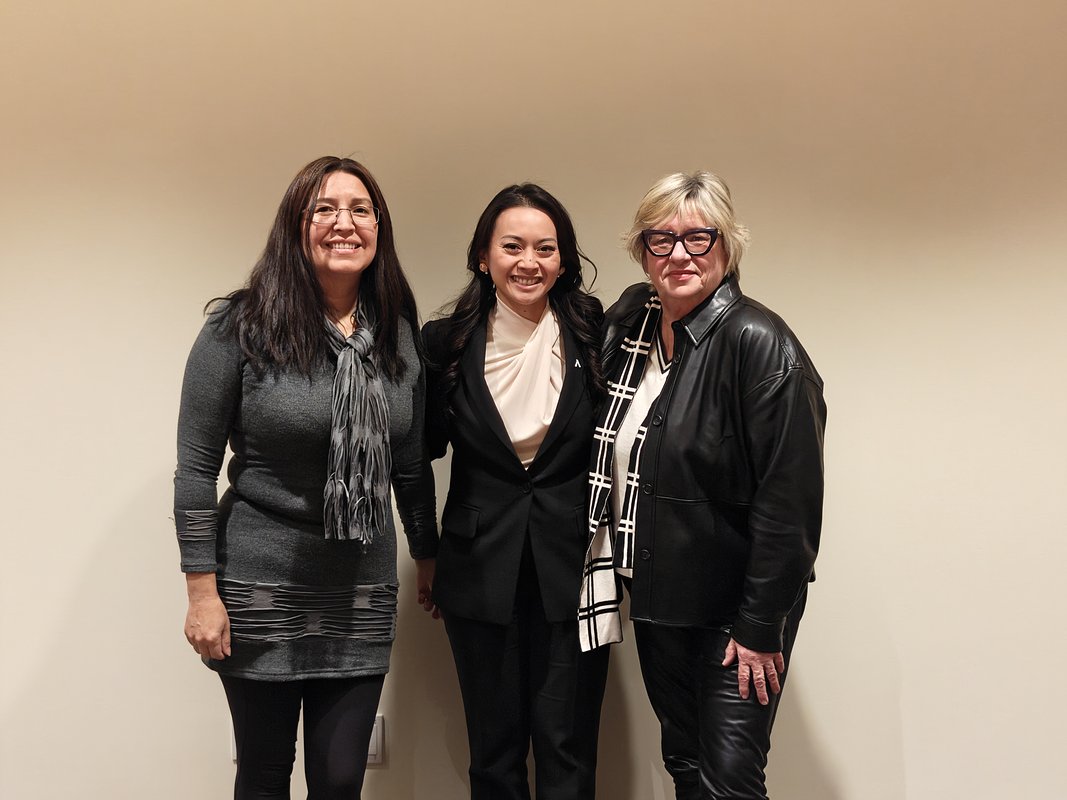
Peer Power: Canada Backs a New Model for Disabled GBV Survivors
OTTAWA, ON – December 04, 2025 – A recent federal announcement of $1.33 million for the DisAbled Women's Network Canada (DAWN Canada) marks a pivotal shift in the nation's approach to gender-based violence (GBV). While the figure itself is a fraction of the government's broader commitments, the investment's true significance lies in what it funds: the expansion of a survivor-led peer support model. This move signals a growing recognition that conventional support systems are failing one of Canada's most vulnerable populations, and that true innovation in care must be rooted in lived experience.
The funding, announced by the Honourable Rechie Valdez, Minister for Women and Gender Equality, will fuel DAWN Canada's 'Scaling Resilience and Change' project. The initiative is designed to empower women and 2SLGBTQI+ people with disabilities who have experienced violence, with a specific focus on those facing intersecting marginalization within Black, Indigenous, racialized, francophone, or Deaf communities. Rather than building another traditional facility, this investment will be used to create and disseminate a training program for peer mentors, scaling a model of care that prioritizes trust and shared understanding over institutional process.
A Crisis of Invisibility and Inaccessibility
The need for such a targeted approach is underscored by alarming statistics that paint a grim picture of the violence faced by women with disabilities. According to federal data, a staggering 55% of women with disabilities experience intimate partner violence in their lifetime, a rate significantly higher than the 37% reported by women without disabilities. The numbers are even more dire for those with mental health-related (68%) or cognitive (65%) disabilities. This is not just a healthcare issue; it is a crisis of human rights hidden by systemic barriers.
For decades, the very systems designed to protect survivors have often been inaccessible to those with disabilities. Shelters may lack physical ramps, sign language interpreters, or staff trained to support individuals with cognitive or developmental disabilities. For many, escaping violence is not as simple as walking out the door. A survivor may be financially or physically dependent on her abuser, who may also be her primary caregiver. Reporting violence carries the fear of not being believed, being institutionalized, or losing custody of children. This web of dependency and systemic ableism creates a near-insurmountable barrier to safety.
Furthermore, policy has often rendered this group invisible. As DAWN Canada's own research has highlighted, women with disabilities are frequently “ungendered” in policy discussions, grouped into the broad category of “people with disabilities,” which erases their specific, gendered experiences of violence. The result is a one-size-fits-all approach to support that fits almost no one, leaving these survivors isolated and without recourse.
The Innovation of Lived Experience
This is where DAWN Canada's model, 'Rooting Resilience,' represents a critical innovation. It moves away from a top-down, clinical framework and instead centers the healing process on peer support. The model connects survivors with mentors who share similar lived experiences—not just of violence, but of navigating the world with a disability. This shared context is the foundation of its success.
In a traditional support setting, a survivor with a disability often faces the dual burden of recounting her trauma while also educating the support worker about the realities of her disability. This can be exhausting and re-traumatizing. A peer mentor, however, already understands. This immediate, implicit understanding fosters a level of trust and psychological safety that is difficult to replicate in conventional systems. It reduces isolation by creating a community of support where individuals feel seen and validated in their entirety.
"Women with disabilities experience gender-based violence at much higher rates and often face significant barriers when seeking help," stated Minister Valdez in the announcement. "DAWN Canada's peer support model creates a safe space where women can connect with people who understand their lived experiences and unique needs." This government endorsement validates what grassroots organizations have known for years: healing is most effective when it is led by those who have walked the path themselves.
Scaling a System of Trust
The $1.33 million in funding is not just for maintaining the status quo; it is explicitly for scaling this innovative model. The 'Scaling Resilience and Change' project will focus on creating a robust training curriculum for new peer mentors. DAWN Canada will then partner with organizations across the country, equipping them to implement the peer support program within their own communities.
This “train-the-trainer” approach is a strategic method for expanding impact far beyond DAWN Canada’s direct reach. It builds local capacity and ensures the support model can be adapted to the specific needs of diverse communities, from urban centers to remote regions where services are scarcest. It represents a shift from centralized, monolithic service delivery to a distributed, community-embedded ecosystem of care.
Bonnie Brayton, CEO of DAWN Canada, emphasized this survivor-led focus. "Rooting Resilience, our approach, centers the voices of women from diverse communities while meeting them where they are at in their healing journeys," she said. "This funding will help us strengthen and expand survivor-led peer support programs...addressing the needs of communities that are too often overlooked."
Part of a Broader National Strategy
This targeted investment is a component of Canada's larger national strategy to combat gender-based violence. The federal government has allocated $223.4 million over five years, with ongoing funding, to strengthen programs and services under its National Action Plan to End Gender-based Violence. This plan acknowledges that a comprehensive strategy requires targeted interventions for at-risk and underserved populations.
The DAWN Canada grant demonstrates a crucial evolution in that strategy—a move toward funding programs that address the intersection of gender, disability, and violence. It shows an understanding that pouring money into existing, often inaccessible, systems is not enough. To truly leave no one behind, the ecosystem of care must itself evolve, embracing models that are inherently inclusive, accessible, and built on a foundation of trust.
While this funding is a vital step forward, advocates note that the journey is far from over. Sustainable, long-term operational funding for frontline organizations remains a challenge, as does the slow work of dismantling the deep-seated ableism within societal structures. However, by investing in a model that empowers survivors to become leaders in their own communities' healing, this initiative does more than just provide a service; it plants the seeds for systemic, lasting change.