
- 137,000: Black population in Peel Region, an 18% increase over the past decade.
- $25 million: Provincial investment in the Black Health and Social Services (BHSS) Hub.
- 1,000+ clients: Connected to integrated care in the 2024-2025 fiscal year.
Experts view the BHSS Hub as a critical step toward addressing systemic health inequities for Black communities in Ontario, emphasizing its community-driven, culturally responsive model as a replicable blueprint for equitable care.
Peel's New Health Hub: A Blueprint for Equitable Care in Ontario
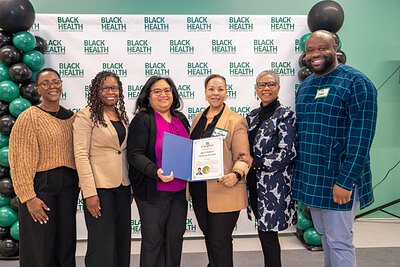
BRAMPTON, ON – April 01, 2026 – A recent Open House at 19 Rutherford Road South in Brampton offered more than just a preview of a new building; it marked a pivotal moment in the evolution of healthcare for Peel Region's Black, African, and Caribbean communities. The event showcased the new central site for the Black Health and Social Services (BHSS) Hub, a multi-faceted initiative designed to provide integrated, culturally responsive care and dismantle long-standing systemic inequities.
Ahead of its official launch, the Hub stands as a tangible response to decades of well-documented health disparities. Developed in partnership with community leaders and backed by a significant provincial investment, the facility represents a fundamental shift from a fragmented system to a holistic, community-centered model of wellness.
The Scale of the Need: Addressing Systemic Disparities
The urgency for an initiative like the BHSS Hub is rooted in stark data and lived experience. Peel Region is home to one of Canada's largest and fastest-growing Black populations, with over 137,000 residents—an 18% increase over the past decade. Yet, this vibrant community faces disproportionate health challenges.
Public health data has consistently shown that Black communities experience higher rates of chronic conditions. The BHSS Hub is specifically designed to focus on diseases that disproportionately affect these populations, including sickle cell disease, hypertension, diabetes, and certain cancers. For instance, national health data has identified ischemic heart disease as a leading cause of death among Black Canadian adults.
These disparities were cast into sharp relief during recent public health crises. During the peak of the COVID-19 pandemic, Black individuals in the Greater Toronto Area were up to nine times more likely to test positive for the virus than the white population. This pattern echoes findings from the H1N1 pandemic, where Black populations were ten times more likely to be infected, highlighting a persistent vulnerability created by systemic barriers.
These barriers extend beyond disease prevalence. A historical mistrust of the medical system, born from generations of inequitable treatment, often contributes to a reluctance to seek regular medical care. The BHSS Hub aims to address this directly by creating a safe, welcoming environment where care is delivered by professionals who understand the cultural and social context of their patients.
A Blueprint for Integrated Care: The Hub and Spoke Model
At the core of the BHSS Hub's strategy is an innovative 'hub and spoke' model designed for maximum accessibility and comprehensive service. The new Brampton facility serves as the central 'hub,' a one-stop shop for a wide array of services. This central site is, however, just one piece of a larger network.
This model connects the main facility to multiple smaller, satellite locations embedded within communities across Peel, ensuring that care is brought closer to where people live. This structure is a direct response to community feedback about the importance of accessible, localized services.
The Hub's integrated approach is made possible through a powerful collaboration between three lead organizations. Roots Community Services Inc., a pillar in the Peel community since 1985, is leading the initiative and overseeing the delivery of crucial social services. These supports extend beyond healthcare to include assistance with housing, employment, and legal aid—addressing the social determinants that are intrinsically linked to health outcomes.
Primary medical care is managed by the LAMP Community Health Centre, which brings its expertise in multidisciplinary team-based healthcare. Mental health and addictions services, a critical and often stigmatized area of need, are provided by the Canadian Mental Health Association (CMHA) Peel Dufferin. Together, this trifecta ensures that a client can receive primary medical attention, mental health counseling, and help securing stable housing all under one coordinated umbrella.
Backed by Policy and Investment
The creation of the BHSS Hub was catalyzed by a landmark $25 million investment from the Ontario Ministry of Health, announced in September 2023. This funding is not just a grant; it is a strategic investment aligned with the province's broader vision for health equity.
The initiative is directly informed by the Black Health Plan for Ontario, a comprehensive strategy launched in 2020 to drive fundamental, systemic change. The plan is built on pillars of equitable pandemic response, equitable health system recovery, and, most importantly, sustained health equity for Black populations. It provides a policy framework for initiatives like the Peel Hub to move from concept to reality.
The Hub is a direct manifestation of the Black Health Plan's key goals: advancing primary care closer to home, providing culturally responsive chronic disease management, and expanding mental health services. By funding a community-led, evidence-based project co-designed by Peel residents themselves, the province is endorsing a new model for public health—one that prioritizes equity and empowers communities to lead the design of their own solutions.
Community-Driven from the Ground Up
Long before the doors of the new facility were opened for a preview, the BHSS Hub was already making a profound impact. Over the past two years, the initiative has engaged nearly 20,000 community members in consultations and outreach. Through its satellite locations and community-based programs, it has already provided coordinated services to over 4,000 individuals.
The numbers from the 2024-2025 fiscal year alone demonstrate the pressing need and the model's early success: the Hub connected over 1,000 clients to integrated care, successfully attached 351 people to a permanent primary care provider, and facilitated 5,824 service visits. These figures represent individuals who may have otherwise fallen through the cracks of the traditional healthcare system.
This success is built on a foundation of trust and partnership, a sentiment echoed by Shane Joseph, CEO of Roots Community Services and a member of the Hub's Executive Committee. "If we want to go far, we have to go together," Joseph stated during the Open House. "This Hub is built on partnership, and we are calling on partners across sectors to help us expand this model and deliver more coordinated, culturally responsive care."
This collaborative spirit is the driving force behind the Hub's mission. It is more than a healthcare facility; it is a testament to the power of shared vision and collective action. By placing community voices at the center of its design and operation, the Black Health and Social Services Hub is not just building a healthier Peel Region, but also creating a powerful and replicable blueprint for a more just and equitable healthcare system for all.