
- Uninsured Rate: 26.5% of Pasadena residents lack health insurance, with children's uninsured rate more than double the national average.
- Facility Size: 37,000-square-foot state-of-the-art clinic offering comprehensive healthcare services.
- Investment: Over $50 million from Houston Methodist to support the clinic's development.
Experts would likely conclude that the Legacy Pasadena Southmore Clinic represents a critical step toward addressing healthcare disparities in underserved urban communities, leveraging strategic partnerships to improve access and health outcomes.
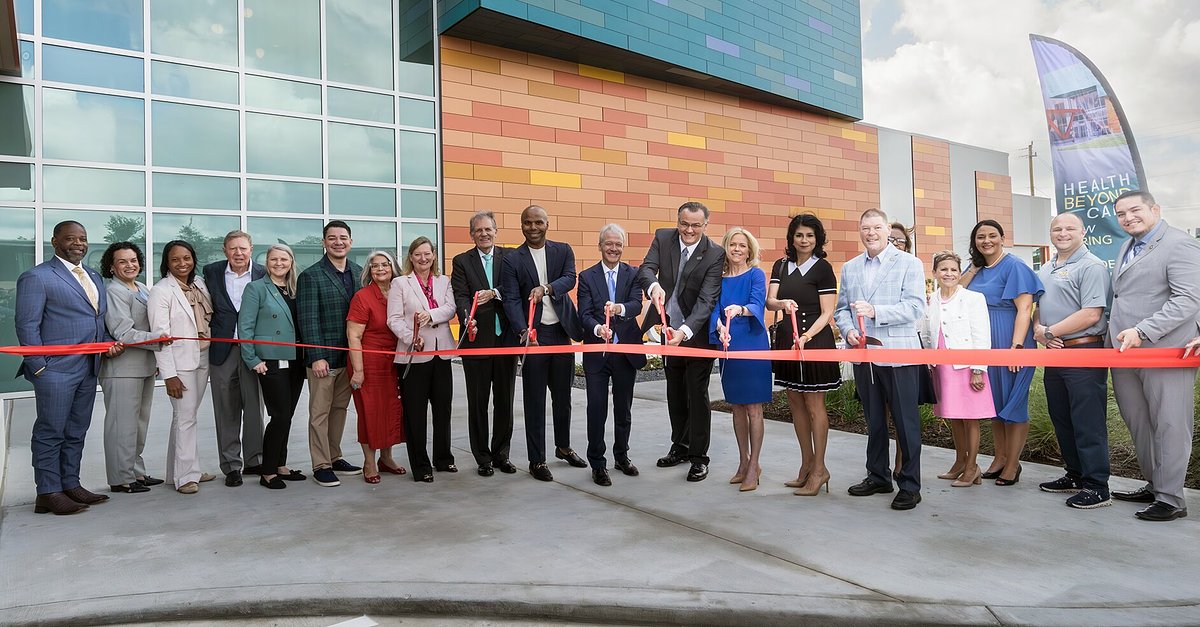
Pasadena's New Health Lifeline: A Model for Urban Care
PASADENA, TX – May 07, 2026 – A major new health facility opened its doors today in Pasadena, poised to serve as a critical lifeline in a community grappling with some of the nation's most severe healthcare access challenges. The Legacy Pasadena Southmore Clinic, a state-of-the-art, 37,000-square-foot facility, brings a comprehensive suite of affordable health services to a city where nearly one in three residents lacks health insurance and the rate of uninsured children is more than double the national average.
The two-story clinic, located at 1951 Southmore Avenue, is the result of a landmark partnership between Legacy Community Health, the largest Federally Qualified Health Center (FQHC) in Texas, and Houston Methodist, a leading academic medical center. The collaboration aims to directly confront the systemic barriers that have historically left many of Pasadena’s working families without consistent, coordinated medical care.
Confronting a Stark Reality
The need for such a facility in Pasadena is stark. Independent data highlights the city's precarious healthcare landscape. With an uninsured rate of approximately 26.5%, Pasadena stands out even within Texas, a state that already holds the nation's highest uninsured rates for both adults (21.6%) and children (13.6%). For Pasadena's large Hispanic population, which makes up over 70% of the demographic, barriers are often compounded by language differences, income constraints, and work schedules that conflict with traditional clinic hours.
The new Legacy clinic is designed to dismantle these barriers head-on. By offering a sliding-scale fee structure and accepting Medicare, Medicaid, CHIP, and most private insurance plans, the facility operates on a foundational principle: no one will be turned away due to an inability to pay.
“Pasadena families deserve access to high-quality, family-centered care without barriers,” said Robert Palussek, CEO of Legacy Community Health, in a statement. “At Legacy, we choose to show up in communities where care gaps persist and make comprehensive services available to everyone. This new clinic reflects our commitment to meeting families where they are and providing the connected, long-term care they need to thrive.”
Core services available immediately include adult and pediatric primary care, obstetrics and gynecology, behavioral health services, and X-ray imaging. The clinic's integrated model means a patient can see a primary care doctor, receive a mental health consultation, and get necessary imaging done all in one location, a crucial factor in improving health outcomes for families juggling transportation and time constraints. This comprehensive approach will be further enhanced in late summer 2026 with the launch of onsite dental and pharmacy services.
The Power of a Landmark Partnership
The clinic's existence was made possible by a transformational gift of over $50 million from Houston Methodist, part of a larger initiative to support new health facilities in both Pasadena and Houston's Acres Homes neighborhood. This significant investment represents a powerful model of collaboration between a major hospital system and an FQHC, combining the financial and academic resources of Houston Methodist with Legacy’s deep expertise in community-based care.
“At Houston Methodist, serving our communities is at the heart of what we do,” said Marc L. Boom, M.D., president and CEO of Houston Methodist. “The Legacy Pasadena Southmore Clinic represents years of thoughtful collaboration to better meet the needs of families in Pasadena and the surrounding area. By supporting Legacy Community Health’s continued growth in Pasadena, we are expanding access to care and creating a lasting resource for the community.”
This partnership is more than a financial arrangement; it's a strategic alignment aimed at creating sustainable health equity. FQHCs like Legacy are proven to be effective at improving health outcomes and reducing disparities in underserved areas. By pairing with an institution like Houston Methodist, the clinic gains access to advanced resources, specialty networks, and a pipeline of medical talent, amplifying its impact far beyond what either organization could achieve alone.
“Our longstanding collaboration continues to demonstrate how working together can make a lasting difference in the health of our communities,” added Cathy Easter, senior vice president of community development at Houston Methodist.
Building a Healthier Future and a Stronger Workforce
Beyond addressing immediate health needs, the Pasadena Southmore Clinic is a long-term investment in the community's future and the region's medical workforce. The facility will now serve as the new home for the Houston Methodist Family Medicine Residency Program, which is relocating from another Legacy clinic.
This integration of medical education into a community health setting is a critical component of the clinic's mission. The presence of physician trainees on-site will immediately expand clinical capacity, allowing the clinic to serve more patients and reduce wait times. For Pasadena families, this means greater access to care and enhanced continuity, as resident physicians work alongside experienced attending clinicians.
For the medical field, the program offers an invaluable training ground. By embedding residents in a diverse, high-need community, it prepares a new generation of doctors with firsthand experience in addressing the complex social and economic factors that influence health. This model is essential for building a physician workforce that is not only clinically skilled but also culturally competent and committed to health equity. Dr. Boom of Houston Methodist noted the partnership provides "opportunities to train future physicians."
The clinic opens with a team of more than 50 staff members, a number set to grow to over 80 when dental and pharmacy services are fully operational. A clinical team of 18 providers, with more to be added, underscores the commitment to building a robust and lasting healthcare home for the community, one designed to support residents at every stage of life. The state-of-the-art building, designed by Kirksey Architects and built by Harvey Cleary Builders, provides the physical foundation for this ambitious and necessary mission.