
- 1,800 acres: Ittefaq Salt secures nearly 1,800 acres of new mining territory in Pakistan's Salt Range.
- USD 700M by 2030: The Himalayan pink salt market is projected to grow to nearly USD 700 million by 2030, with a CAGR of over 5%.
- 90 countries: Ittefaq Salt already exports to over 90 countries, positioning itself for further global expansion.
Experts would likely conclude that while Ittefaq Salt's expansion reflects strong global demand and strategic market positioning, the company must navigate significant challenges related to environmental sustainability and labor practices to maintain ethical and responsible operations.
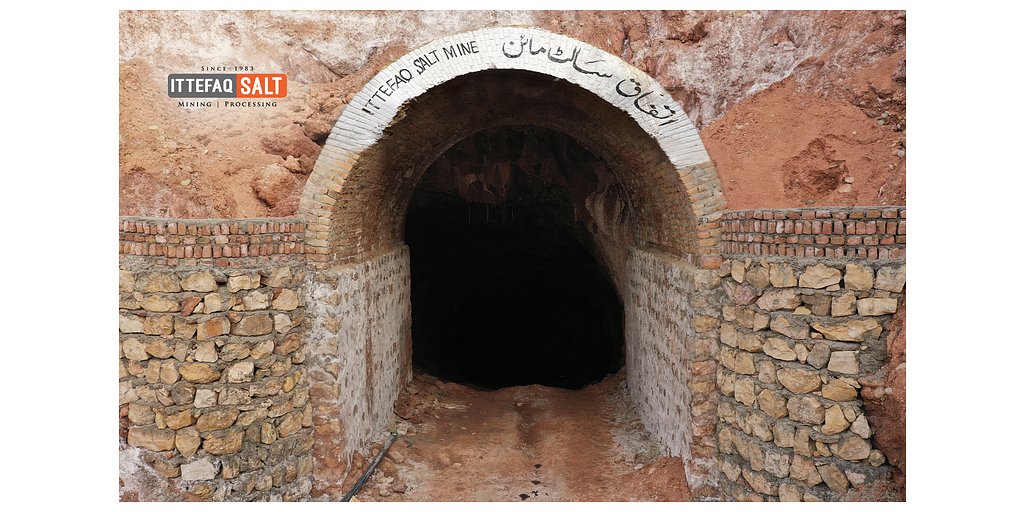
Pakistan's Pink Salt Boom: Ittefaq Expands Amid Demand and Scrutiny
LAHORE, Pakistan – January 02, 2026 – Ittefaq Salt, a major player in Pakistan's Himalayan pink salt industry, has announced a landmark expansion, securing nearly 1,800 acres of new mining territory across the historic Salt Range in Punjab. The move, intended to quench a surging global thirst for the popular mineral, positions the company for significant growth while simultaneously drawing attention to the environmental and labor practices inherent in large-scale resource extraction.
The company confirmed it has acquired rights to 1789.720 acres spanning five distinct areas: Buri Khel, Chidru 1, Chidru 3, and Swanse Mines in the Mianwali district, along with the Garangai area in Khushab. This substantial addition to its portfolio is designed to "strengthen long-term resource security and increase global supply capacity," according to a statement from the Lahore-based firm.
The Global Appetite for Pink Gold
Ittefaq Salt's expansion is a direct response to a booming international market. Himalayan pink salt, once a niche health-food item, has exploded into a global commodity. Market analyses project a robust future, with some reports estimating the market could climb from roughly USD 470 million in 2023 to nearly USD 700 million by 2030, reflecting a compound annual growth rate (CAGR) of over 5%. Other forecasts are even more bullish, suggesting the market could approach USD 18.5 billion within the next decade.
This "pink gold rush" is fueled by several converging trends. Health-conscious consumers are increasingly drawn to what they perceive as a more natural, unprocessed alternative to common table salt, valuing its trace mineral content and lack of additives. The food and beverage sector remains the dominant consumer, with pink salt's unique flavor and Instagram-worthy hue making it a favorite in gourmet kitchens and artisanal products.
Beyond the dining table, demand is surging for non-edible applications. Wellness products, including therapeutic bath salts and personal care items, represent a significant growth segment. The ubiquitous Himalayan salt lamp, touted for its aesthetic and purported air-purifying qualities, has become a staple decor item in homes across North America and Europe, which remain the largest markets. Ittefaq Salt, which has been operating since 1983 and already exports to over 90 countries, is clearly positioning itself to capture a larger share of this expanding global pie.
Securing a Strategic Resource
In a competitive landscape populated by international giants like SaltWorks Inc. and K+S AG, as well as numerous domestic rivals such as Ghani Group and Pak Salt, securing a direct and stable supply of raw material is a critical strategic advantage. By acquiring extensive new mining lands, Ittefaq Salt is bolstering its vertically integrated model, which spans from extraction and processing to manufacturing and global export. This control over the supply chain is crucial for ensuring product purity, quality, and uninterrupted delivery to international partners.
The expansion reinforces the company’s capacity to supply its diverse product lines, which include edible salt in various granularities, bath and wellness products, and salt licks for animal livestock. By locking down access to authentic Himalayan pink rock salt deposits within the famed Salt Range—the only region in the world where this salt is mined—the company aims to mitigate supply chain vulnerabilities and solidify its reputation as a reliable, high-volume producer. This move is less about immediate production increase and more about long-term market dominance and resource security in an industry where authenticity and origin are paramount selling points.
Balancing Harvest with Responsibility
With expanded operations comes intensified scrutiny. In its announcement, Ittefaq Salt emphasized a commitment to "responsible and ethical mining," stating it employs modern techniques designed to protect the salt's natural crystalline structure and minimize environmental impact. The company holds an ISO 14001:2015 certification, an international standard for environmental management systems, which suggests a formal framework for monitoring and improving its ecological footprint.
However, these corporate pledges exist within the complex reality of Pakistan's broader mining sector. A recent report from the Pakistan Central Mines Labour Federation (PCMLF) painted a grim picture of the industry, particularly concerning coal mining, where it found that labor safety laws are "largely ignored." The report highlighted the prevalence of a contractor system that often diffuses responsibility for worker safety, leading to frequent accidents, including mine collapses and gas emissions. In the last year alone, these issues were linked to approximately 150 worker deaths and over 1,000 disabilities in the nation's coal mines.
While Ittefaq Salt's operations are in salt mining, which has different geological and safety challenges than coal, the systemic issues raised by the labor federation cast a long shadow. The effectiveness of any single company's ethical commitments is often tested by the prevailing industry culture and the rigor of regulatory enforcement on the ground, placing the onus on Ittefaq to demonstrate that its practices are a clear exception to the documented norm.
The Ripple Effect in Punjab's Salt Range
For the local communities in Mianwali and Khushab, the expansion presents a double-edged sword. The company stated the project will support regional employment and stimulate economic activity, a welcome prospect in areas where stable job opportunities can be scarce. The infusion of capital and the creation of jobs in mining, processing, and logistics could provide a significant boost to the local economy.
Yet, the concerns over labor practices persist. The promise of new jobs is tempered by questions about their quality and safety. If the contractor system flagged by the PCMLF is prevalent in the new salt mining operations, local workers could face risks similar to those documented elsewhere in the country's extractive industries. The true impact of Ittefaq Salt's growth will therefore be measured not just in export volumes and revenue, but in the tangible benefits and protections afforded to the local workforce. As the company begins to break ground in these new territories, its ability to translate its corporate social responsibility pledges into safe, sustainable, and equitable local development will be its most significant challenge and, potentially, its greatest achievement. The global demand for a simple pink crystal has created a complex web of opportunity and obligation deep within the mountains of Pakistan.