
- 90% of MIMARU guests are international families
- Average CO2 reduction of 7.7 kg per use from reduced luggage weight
- Service pricing: Family Set (¥52,000), Adult Set (¥37,000), Kids Set (¥28,000)
Experts view this initiative as a strategic innovation in sustainable tourism, offering a practical solution for family travelers while reducing environmental impact through circular economy principles.
Pack Less, Explore More: MIMARU Debuts In-Room Clothing Rental
TOKYO, JAPAN – January 07, 2026 – By Nancy Torres
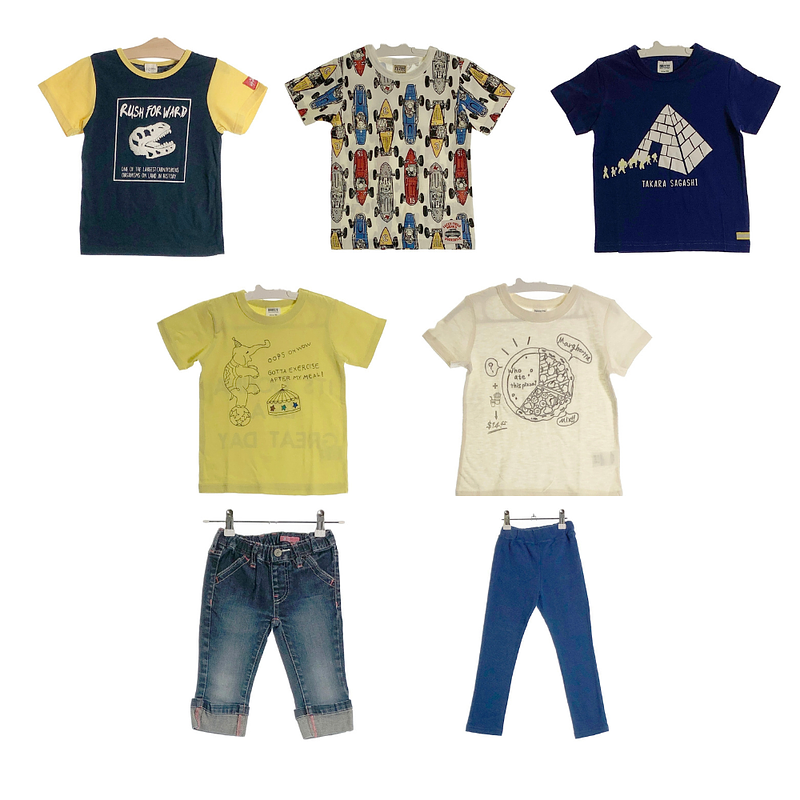
Japan’s leading apartment-hotel brand, MIMARU, is launching a novel solution to one of family travel’s biggest headaches: overstuffed suitcases. In a strategic partnership with Sumitomo Corporation, MIMARU will offer the “Any Wear, Anywhere” clothing-sharing service, allowing international guests to rent entire wardrobes upon arrival. The initiative, set to begin a trial period on January 19, 2026, aims to redefine the travel experience by lightening luggage, reducing packing stress, and weaving sustainability directly into the fabric of a Japanese vacation.
For years, families flocking to Japan have faced the dilemma of packing for the country’s diverse and often unpredictable climate. The challenge is compounded by the practicalities of navigating bustling train stations and public transport with multiple large bags. This new service offers a simple yet transformative alternative: travelers can reserve climate-appropriate clothing sets online before their trip and find them waiting in their MIMARU apartment upon check-in. At the end of their stay, the clothes are simply returned within Japan, freeing up valuable luggage space for souvenirs and eliminating the burden of hauling bulky winter coats or outgrown children's wear back home.
A Smart Solution for Family Travel Stress
The collaboration directly targets the core demographic of MIMARU, where over 90 percent of guests are international families, many staying for extended periods. These travelers often struggle with packing enough clothing for different temperatures, a particular issue for those with growing children. The “Any Wear, Anywhere” service addresses this by offering curated sets tailored to family needs.
Available for online reservation starting today, the service includes three main options for a three-day equivalent wardrobe:
- Family Set: Clothing for two adults and two children (¥52,000)
- Adult Set: Clothing for two adults (¥37,000)
- Kids Set: Clothing for two children (¥28,000)
Sizing is inclusive, ranging from S to 3XL for adults and from 80cm to 160cm for children, an expansion specifically designed for the MIMARU rollout. While inventory is limited, requiring advance booking, the value proposition is compelling.
Early feedback from travelers highlights the service's practicality. “I don’t usually own winter clothing, and with children growing quickly, bulky winter wear is difficult to pack. Renting felt like better value than filling a suitcase,” shared a traveler from Singapore. This sentiment reflects a common cost-benefit analysis for families from warmer climates, where purchasing expensive seasonal gear for a single trip is often impractical.
Beyond cost savings, the convenience factor is a major draw. An Australian traveler noted, “The clothes were comfortable for exploring Tokyo, and having extra space in my suitcase meant more room for shopping.” The seamless logistics also earned praise, with a visitor from the United States commenting, “Arriving to find the clothes ready and simply returning them at the front desk made the experience very easy. Everything was clean and of good quality.”
Weaving Sustainability into Japan's Tourism Fabric
This partnership is more than just a guest amenity; it represents a significant step toward a more sustainable tourism model in Japan. By reducing the amount of luggage travelers bring, the service directly contributes to lowering carbon emissions from air travel. Research from a previous trial of the “Any Wear, Anywhere” service with Japan Airlines found an average CO2 reduction of 7.7 kg per use, stemming from the reduced weight on aircraft.
The environmental benefits extend into the principles of the circular economy. The clothing provided through the service is sourced from surplus apparel stock and pre-owned garments, extending the life of textiles that might otherwise contribute to fashion industry waste. This approach challenges the linear “take-make-waste” consumption model, promoting a system where resources are kept in use for as long as possible.
For MIMARU, operated by Cosmos Hotel Management, this initiative is a natural extension of its existing sustainability commitments. The company has already implemented measures to reduce its environmental footprint, such as discontinuing most single-use plastic amenities in September 2023 in favor of refillable dispensers and on-request wooden alternatives. This move alone is estimated to save half a ton of plastic waste per hotel annually. Furthermore, their eco-cleaning policy for multi-night stays conserves water and energy by reducing the frequency of linen changes and room cleaning.
The “Any Wear, Anywhere” service aligns perfectly with this ethos, offering travelers a tangible way to participate in more responsible tourism without sacrificing comfort or convenience.
Hospitality's Next Frontier
The collaboration between MIMARU and Sumitomo Corporation signals a strategic evolution in the competitive Japanese hospitality market. While Japan has long been a leader in travel convenience with its world-class luggage forwarding services (takuhaibin), integrating clothing rental directly into the hotel experience is a novel differentiator. It moves beyond logistics to offer a highly personalized, value-added service that enhances the entire travel journey.
Sumitomo's “Any Wear, Anywhere” platform is not an untested concept. It was first launched in July 2023 in partnership with Japan Airlines, proving its viability among international visitors. The expansion to a hotel brand like MIMARU demonstrates a targeted strategy to embed the service deeper within the tourism ecosystem, reaching families at their home base in Japan.
By focusing on its core customer base—international families staying in its spacious, kitchen-equipped apartments—MIMARU is creating a powerful competitive advantage. The service transforms the hotel from a simple place of lodging into an active partner in the travel experience, solving problems before they arise. This approach reflects a broader trend in hospitality toward creating holistic, stress-free environments that anticipate guest needs.
The trial, running through March 2026, will serve as a crucial test case. Its success will be measured by usage data and guest feedback, which will inform future developments. If the model proves popular, it could inspire wider adoption across the industry, fundamentally changing how tourists pack for and experience destinations worldwide. This initiative is not just about renting clothes; it's about selling a lighter, smarter, and more sustainable way to travel.