
- $36M raised: Orthogon Therapeutics has secured $36 million in total financing to advance its antiviral drug for BK polyomavirus (BKV).
- 90% prevalence: BKV lies dormant in up to 90% of the global population, posing a severe risk to transplant recipients.
- 80% organ loss: BKV-associated nephropathy (BKVAN) can lead to the loss of the transplanted kidney in 80% of affected patients if untreated.
Experts view Orthogon’s novel oral antiviral approach as a promising and necessary advancement in transplant medicine, addressing a critical unmet need for safe and effective BKV treatments.
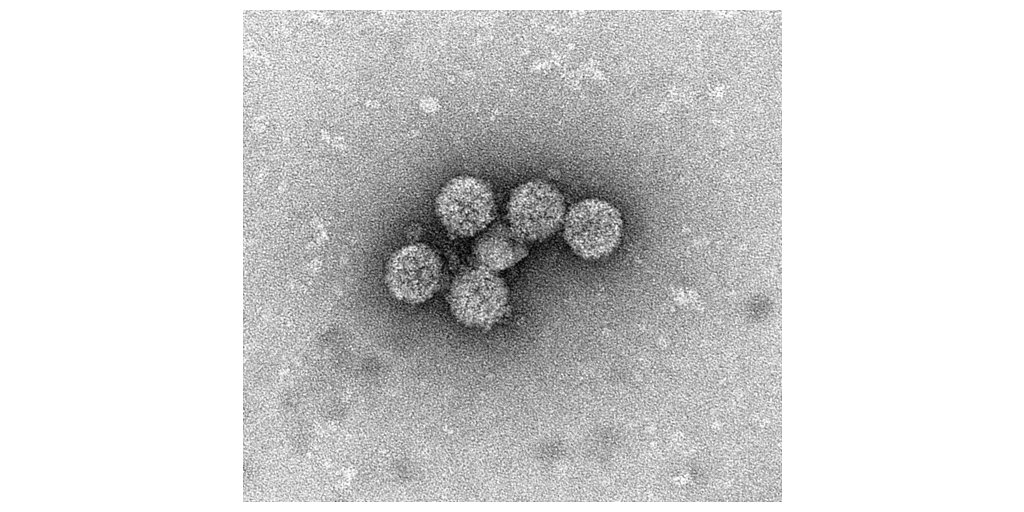
Orthogon's $36M War Chest to Fight a Devastating Transplant Virus
CANTON, MA – April 17, 2026 – Orthogon Therapeutics, a Canton-based biotechnology firm, has secured an additional $11 million in financing, bringing its total capital raised to $36 million. The funding is earmarked to advance a pioneering oral antiviral drug aimed at a common but dangerous threat to transplant recipients: the BK polyomavirus (BKV).
For the thousands of patients who undergo life-saving organ transplants each year, the journey is fraught with challenges. One of the most insidious is the reactivation of BKV, a virus that lies dormant in up to 90% of the global population. In a healthy individual, the immune system keeps it in check. But for a transplant patient on essential immunosuppressant drugs, the virus can awaken with devastating consequences, leading to severe complications and, in many cases, the loss of the transplanted organ. With no FDA-approved treatments available, Orthogon’s mission addresses a critical and gaping void in transplant medicine.
The Hidden Threat in Transplantation
BK virus reactivation is a grim reality in post-transplant care. It occurs in nearly half of all solid organ and stem cell transplant recipients. In kidney transplant patients, the numbers are stark: BKV-associated nephropathy (BKVAN), the most severe form of the infection, develops in up to 10% of cases and can lead to the loss of the new kidney in a staggering 80% of those affected if left unchecked.
Currently, the primary strategy for managing BKV is a precarious balancing act. Physicians are forced to reduce a patient's immunosuppressive medication to allow their own immune system to fight the virus. This approach, however, places the patient on a knife's edge, as lowering immunosuppression dramatically increases the risk of the body rejecting the transplanted organ.
Other off-label treatments, such as the antiviral cidofovir, have been attempted with limited success and carry a significant risk of kidney damage—a particularly dangerous side effect for a population already struggling with organ function. This lack of safe and effective options has created a rapidly growing market need, with analysts projecting the BKV treatment market to potentially exceed $1.2 billion by 2034, driven by the desperate search for a viable solution.
A Novel Strategy Against an 'Undruggable' Foe
Orthogon Therapeutics is tackling this problem with a fundamentally different approach. The company is developing a first-in-class oral, small-molecule drug designed to directly attack the virus at its source. This therapy is built on a proprietary discovery platform that fuses structure-based drug design with deep biophysical analysis, allowing scientists to target viral proteins long considered “undruggable.”
Specifically, Orthogon’s lead asset uniquely targets the viral capsid protein (VP1) and the large T antigen (LTAg). These proteins are essential for the virus's replication and assembly. By disrupting them, the drug can potently inhibit viral activity at the site of replication within the host's cells. This intracellular attack is designed to provide sustained control over the infection across all known BK virus variants.
“This is not a conventional antiviral setting. We built this program to meet the realities of transplant care,” said Ali H. Munawar, Ph.D., CEO of Orthogon Therapeutics, in a recent statement. “These patients are treated within a narrow balance of immunosuppression, organ function, and high pill burden. We designed around those constraints, arriving at a candidate profile that we’re excited to take into development.”
This oral therapy is intended to address the full spectrum of the disease, from early viral reactivation to systemic spread, offering physicians a powerful new tool for both prevention and treatment.
Navigating a Treacherous Competitive Landscape
The path to developing a successful BKV therapy is littered with challenges, a fact underscored by recent clinical trial results from other companies. In late 2023, AlloVir discontinued its three Phase III studies for posoleucel, a T-cell therapy, after analyses showed the trials were unlikely to succeed. This high-profile setback highlighted the immense difficulty of treating BKV in this vulnerable patient population.
Despite the hurdles, several other companies are in the race. Memo Therapeutics is advancing an antibody-based treatment, Potravitug, through Phase II/III trials, with initial data expected in 2025. SymBio Pharmaceuticals is also investigating an oral antiviral, Brincidofovir, in Phase II trials.
However, Orthogon’s strategy sets it apart. The company’s own research, which examined hundreds of patient-derived virus sequences, revealed that BKV carries pre-existing diversity in regions where antibodies would normally bind. This allows the virus to replicate effectively beyond the reach of circulating antibodies, potentially limiting the long-term efficacy of antibody-based treatments. By focusing on a small molecule that targets conserved, internal viral machinery, Orthogon believes it can overcome the limitations that have plagued other therapeutic modalities.
Investor Confidence and the Path Forward
The successful $36 million total financing is a powerful signal of investor confidence, not just in Orthogon, but in its specific scientific rationale. In a high-risk field where a major competitor’s late-stage trial has failed, the significant investment underscores a belief that Orthogon’s novel mechanism of action may hold the key to finally unlocking a treatment for BKV.
This capital infusion will propel the company’s lead drug candidate, which has already completed key toxicity studies, further into the development pipeline and closer to clinical trials. The biotech firm is preparing to showcase its progress to the broader scientific community, with plans to present its findings at leading transplant and virology conferences in 2026, building upon data already shared at the American Society of Nephrology meeting in 2025. For thousands of transplant patients and their clinicians, this progress represents a crucial step toward a future where the threat of BK virus can finally be managed and controlled.