
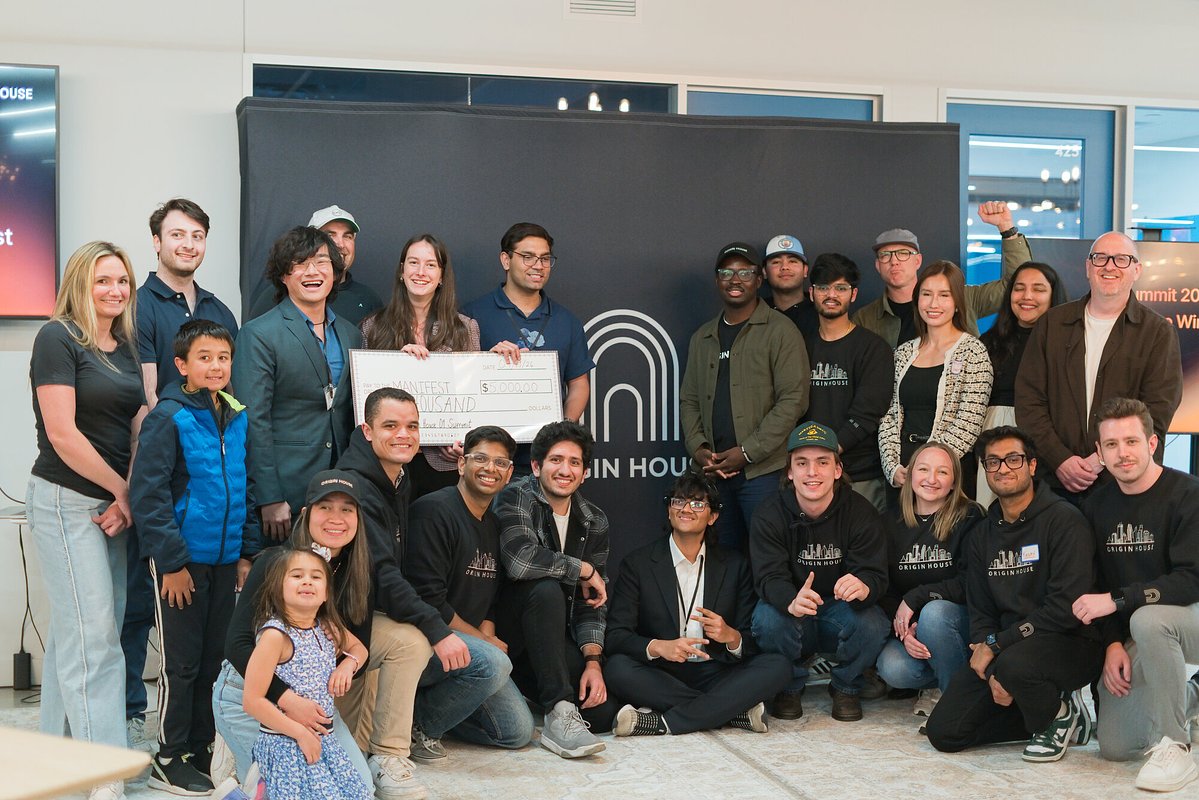
- 120 participants from the Midwest's engineering, design, and maker communities attended the inaugural O1 Summit hackathon.
- $10,000 in total prizes awarded, including $5,000 cash and $5,000 in sponsor credits to the winning team.
- 30% higher success rate for startups born from venture studios compared to traditional ventures, with an average of 25 months to Series A funding (vs. 56 months for traditional startups).
Experts would likely conclude that Origin House’s dual mandate of supporting both tech and trade-based entrepreneurs represents a novel and potentially impactful approach to fostering innovation in the Midwest, with its venture studio model offering a higher likelihood of startup success through intensive, hands-on support.
Origin House Debuts to Bridge Tech and Trades in Minneapolis
MINNEAPOLIS, MN – April 22, 2026 – The hum of creation filled the Expansive TriTech Center this past weekend, but it wasn’t business as usual. It was the sound of Minnesota’s innovation scene receiving a jolt of new energy with the official launch of Origin House, a new venture studio that debuted with an intense, 24-hour hackathon. The inaugural O1 Summit gathered nearly 120 of the Midwest’s brightest engineers, designers, and makers, challenging them to build and ship a project in a single day.
The event, intentionally designed as a “no-fluff” builder summit, culminated in a demo day where teams presented their work to judges from regional powerhouses like Target, Best Buy, Mayo Clinic, and the University of Minnesota. The grand prize of $5,000 cash and nearly $5,000 in sponsor credits was awarded to The Manifest Team for their work on an assistive technology project. Their creation, an intuitive interface designed to help ALS patients regain a measure of autonomy, underscored the practical, problem-solving ethos at the heart of the new organization.
A New Model for the Midwest
Origin House enters a thriving Minneapolis startup ecosystem, but with a mission that sets it apart. The company is operating as a venture studio with a unique “dual mandate”: to scale both high-growth digital innovators and main-street “blue-collar” builders with what it calls “equal intensity.” This hybrid approach aims to bridge the gap between the world of software and the essential grit of the skilled trades, fostering a more diverse and resilient entrepreneurial landscape.
While the Midwest has various accelerators and incubators, including globally recognized names like Techstars and local champions like Launch Minnesota, the explicit dual focus is a novelty. Most programs specialize, targeting either tech startups or, less commonly, providing training and support for trade-based businesses. Origin House seeks to do both under one roof, applying the rigorous, hands-on methodology of a venture studio to a broader spectrum of creators. By providing capital, resources, and an elite network to both a software-as-a-service founder and a master carpenter looking to scale their business, the studio is betting that innovation is not confined to code.
This model could fill a crucial gap in the regional economy. It provides a pathway for skilled tradespeople and main-street entrepreneurs—who may not fit the typical venture capital profile—to access the kind of structured support, ideation, and growth resources typically reserved for tech startups. The goal is to build sustainable companies, whether they are based on algorithms or on craftsmanship.
The Venture Studio Advantage
For those unfamiliar with the term, a venture studio is not a typical accelerator or incubator. Rather than taking a small stake in an existing company in exchange for a few months of mentorship, a studio acts as an institutional co-founder. It is deeply involved from the ideation stage, providing not just capital but also a dedicated team of experts in product development, marketing, legal, and finance to build a company from the ground up.
This deep involvement comes at a cost, with studios often taking a significant equity stake, sometimes between 30% and 60%. However, the data suggests this model dramatically increases the odds of success. According to industry analyses, startups born from venture studios have a 30% higher success rate than traditional ventures. They also demonstrate remarkable speed, reaching Series A funding in an average of 25 months, compared to 56 months for their counterparts. This accelerated timeline is a direct result of the studio’s pre-existing infrastructure and compounded experience, which helps new companies avoid common early-stage pitfalls.
By adopting this model, Origin House signals a commitment to intensive, hands-on company building. Its philosophy of “shipping over philosophizing” is baked into the venture studio structure, which prioritizes tangible progress and market validation over endless theoretical planning. For the founders who partner with them, it means gaining a powerful ally dedicated to turning an idea into a fully operational business.
'Shipping Over Philosophizing': A Cultural Shift
The ethos of prioritizing action is a core tenet of Origin House’s identity. The O1 Summit itself was a testament to this, compressing the innovation cycle into a frantic but productive 24-hour sprint. This “art of shipping” directly challenges a perceived “fluff culture” in some corners of the startup world, where networking events and panel discussions can sometimes overshadow the difficult work of actually building a product or service.
This practical, results-driven mentality may find fertile ground in the Midwest, a region often characterized by a strong work ethic and an appreciation for tangible outcomes. By championing momentum and consistency, Origin House aims to attract a specific type of founder: the builder, the maker, the problem-solver who is eager to get to work. The success of The Manifest Team and their ALS-focused project at the summit serves as a powerful proof of concept for this approach.
“I was empowered to work with my team to build an intuitive interface to allow ALS patients to regain autonomy,” said Sophia Pung of the winning team, highlighting the collaborative and focused environment. “We were able to combine our skillsets and leadership abilities to refine our project.”
This focus on tangible results extends beyond a single event. It is the guiding principle for the studio’s long-term vision to build a community of founders, operators, and builders who are united by a shared commitment to execution. Following the success of its inaugural summit, Origin House is wasting no time in building on its momentum. The organization is now accepting applications for its membership program and is set to officially launch its venture studio operations next month with its first two “Builders-in-Residence.” A large-scale pitch competition is already on the calendar for Summer 2026, promising another major platform for local innovators. Notably, a third Builder-in-Residence slot remains open, presenting a significant opportunity for a high-performing engineer or founder ready to build their next venture from the ground up.