
- $17.5 million in funding over five rounds
- $2.5 billion gourmet popcorn market in 2025, projected to grow to $4.8 billion by 2033
- 6-count packs available nationwide, with 3-count packs in select locations
Experts view Opopop's Walmart launch as a strategic pivot that could disrupt the stagnant microwave popcorn market, leveraging premiumization trends and bold flavors to attract health-conscious, adventurous snackers.
Opopop's Big Pop: Gourmet Brand Hits Walmart's National Snack Aisle
DENVER, CO – March 26, 2026 – The familiar, often predictable, microwave popcorn aisle is getting a jolt of flavor. Opopop, a Denver-based brand that built a cult following online with its unconventional popcorn creations, has made its leap into mass-market retail with a nationwide launch in Walmart stores. The move signals a significant strategic shift for the company and a potential disruption for a snack category long dominated by legacy brands.
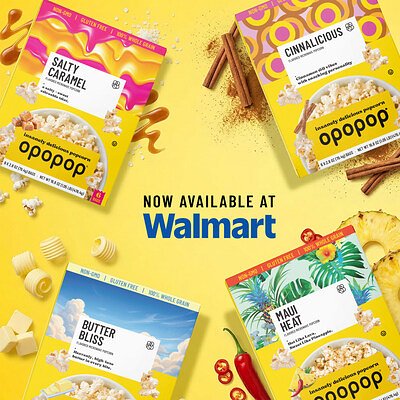
Shoppers will now find Opopop's distinctive, brightly colored packaging in the snack aisle, offering a lineup that ventures far beyond traditional butter. The assortment includes Salty Caramel, the sweet and spicy Cinnalicious, the fiery Maui Heat, and Butter Bliss—a richer, more elevated butter flavor developed exclusively for the retail giant. The products are available in 6-count packs across the country, with smaller 3-count packs in select locations, transitioning the brand from a niche online discovery to an accessible, everyday purchase.
From Cult Following to Mass Market
Founded in 2011 by Jonas Tempel and Bradley Roulier, Opopop entered the market with a mission to reinvent a snack category they felt had seen little innovation since the 1970s. The company first made its name with a direct-to-consumer (DTC) model centered on a unique product: "Flavor Wrapped Popcorn Kernels." Unlike traditional microwave bags where seasoning is loosely mixed with oil, Opopop's process coats each individual kernel in flavor before it's popped. This required a special popping vessel, leading the brand to sell its products in discovery kits that included a proprietary, BPA-free collapsible silicone popper.
This novel approach, combined with bold flavors like Salted Umami and Vanilla Cake Pop, helped the brand build a loyal online fanbase. Bolstered by $17.5 million in funding over five rounds, including capital from RXBAR founder Peter Rahal and DJ Tiësto, Opopop cultivated an image as a premium, modern, and slightly irreverent player in the snack space. The brand's success in the DTC channel demonstrated a clear appetite for gourmet popcorn, a market segment projected to grow from $2.5 billion in 2025 to nearly $4.8 billion by 2033.
However, the move to Walmart marks a deliberate pivot. Instead of its signature kernel-and-popper kits, Opopop is adopting the traditional microwave bag format. This strategic decision aims to lower the barrier to entry for consumers unfamiliar with the brand, making its unique flavors accessible within a format shoppers already know.
"Launching nationwide at Walmart is a meaningful milestone for Opopop," said CEO Alex Medeiros in a statement. "We've built the brand around bold flavors and a more exciting popcorn experience, and this launch gives us the opportunity to bring that to more households across the country in a format shoppers already know and love."
A Premium Bet in a Crowded Aisle
Opopop enters a fiercely competitive U.S. popcorn market that generated over $2 billion in 2023. The microwave popcorn segment is heavily dominated by established giants like Conagra Brands, which owns both Orville Redenbacher's and Act II. For decades, these brands have built their empires on affordability and classic, butter-centric flavors.
Opopop is betting it can carve out a significant space by aligning with a powerful consumer trend: the premiumization of everyday snacks. Today's shoppers are increasingly seeking out higher-quality ingredients, cleaner labels, and more interesting flavor profiles, even in staple categories. Opopop's products are 100% whole grain, gluten-free, non-GMO, and contain no trans-fats or artificial preservatives, attributes that appeal directly to this growing demographic.
This launch is not happening in a vacuum. It reflects a broader strategy by Walmart to diversify its shelves and appeal to a wider range of customers. The retail behemoth has been actively introducing specialty and premium brands to compete with chains like Target and Trader Joe's. This is evident in its recent launch of the 'bettergoods' private label, a line of over 300 products designed to offer premium quality at affordable prices. By adding a brand like Opopop, Walmart can inject excitement into its snack aisle and cater to shoppers looking for something beyond the ordinary, transforming its shelves into a destination for discovery.
A Flavor Gambit for the Everyday Shopper
The ultimate test for Opopop will be consumer adoption. While its existing fans celebrate its inventive tastes, the broader American palate can be challenging for unconventional flavors. The decision to lead with options like Maui Heat and Cinnalicious is a bold gambit that bets on a mass-market desire for novelty.
Online reviews from the brand's DTC era offer a glimpse into its potential reception. Many consumers praise the freshness and intensity of the flavors, citing them as a significant upgrade from standard microwave popcorn. However, feedback also suggests a learning curve. Some find certain flavor profiles, particularly the spicier ones, to be "hit or miss" or taste artificial. Others have noted occasional issues with burnt or unpopped kernels, a common challenge in microwave popcorn that can be exacerbated by unique coatings.
By creating the Butter Bliss flavor exclusively for Walmart, Opopop is hedging its bets. The move provides a familiar entry point for cautious consumers, offering an elevated version of a classic taste alongside its more adventurous options. This dual approach—offering both the familiar and the novel—may be key to converting curious first-time buyers into repeat customers.
The Walmart Effect: Scaling for the Shelves
For Opopop, the opportunity to be on shelves in thousands of Walmart stores nationwide is immense, but it comes with monumental logistical challenges. Transitioning from a primarily online business to servicing one of the world's largest retailers requires a complete overhaul of production and supply chain operations. The company must now scale its manufacturing to meet massive, fluctuating demand while integrating with Walmart's highly sophisticated, often automated, distribution network.
Successfully managing inventory, adhering to strict vendor compliance standards, and ensuring consistent quality control across millions of units will be critical to the partnership's success. This expansion represents a classic trial-by-fire for a growing CPG brand, where the rewards of expanded reach and brand recognition are weighed against the immense operational pressures of playing in the big leagues.
As the new bags land in shopping carts across the country, Opopop's journey from a niche online innovator to a mainstream contender will be closely watched. The launch is more than just a new product on a shelf; it's a test of whether a modern, flavor-forward brand can redefine a classic American snack for the masses.