
- 40% increase in non-occupational powerline fatalities in Ontario (2020-2024 vs. 2015-2019).
- 29% rise in home/recreational powerline fatalities.
- 43% of occupational electrical deaths caused by powerline contact (2015-2024).
Experts emphasize that these fatalities are preventable with heightened public awareness and adherence to safety protocols around powerlines, particularly in residential settings.
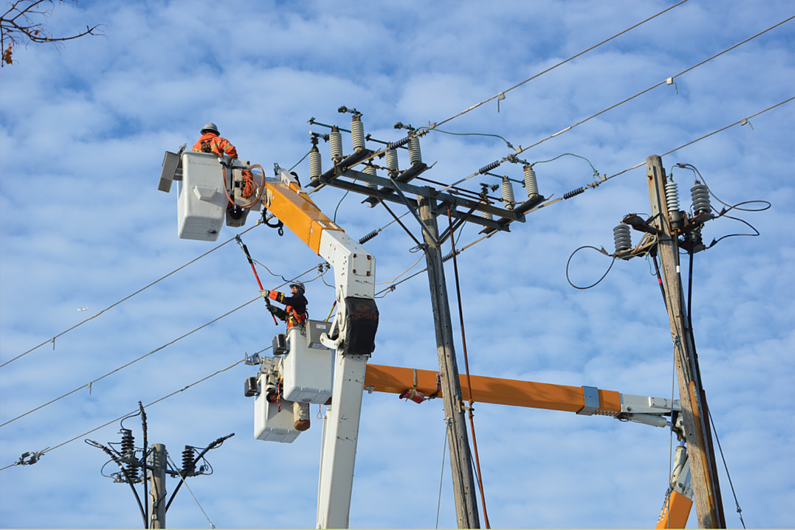
Ontario's Deadly Current: Why Powerline Fatalities Are Surging at Home
MISSISSAUGA, ON – May 11, 2026 – As Powerline Safety Week kicks off across the province, a stark new report from the Electrical Safety Authority (ESA) reveals a troubling shift in electrical dangers, prompting urgent calls for public vigilance from utilities like Alectra.
While workplace safety measures appear to be making headway, the rate of fatal electrical incidents in non-occupational settings—at home and during recreational activities—has surged by a staggering 40% in recent years. This alarming trend underscores a critical message from safety officials: the most immediate electrical threat for many Ontarians may be lurking just outside their own homes.
Alectra Utilities, one of several electricity distributors participating in the May 11-17 safety campaign, is sounding the alarm over the preventable nature of these tragedies. “These are preventable incidents, and the recent increase underscores the need for everyone to stay alert and work safely around powerlines,” said Chris Hudson, Senior Vice-President of Network Operations and Safety at Alectra Utilities. “By taking a few simple precautions, we can help keep ourselves, our families and workers safe.”
A Shocking Shift in Risk
The latest Ontario Electrical Safety Report (OESR) paints a complex and concerning picture. While the overall rate of powerline-related fatalities has remained steady, the demographics of the victims have changed dramatically. The data, comparing the period of 2020-2024 to 2015-2019, shows a significant 60% decrease in the rate of occupational electrical fatalities. However, this progress in the workplace is tragically offset by the 40% increase in the rate of non-occupational deaths.
Specifically, the ESA highlights a 29% increase in the rate of powerline fatalities occurring at home or in recreational settings. Incidents once predominantly associated with construction sites are now increasingly happening in public spaces and residential backyards, often linked to a common outdoor activity: tree maintenance.
Experts note that this shift indicates a dangerous gap in public awareness. While workers in high-risk professions receive targeted training, the general public may be underestimating the lethal power of the wires that run above their properties and through their communities. The ESA has consistently identified powerline contact as a leading cause of electrical fatalities in the province, but the location of these incidents is moving closer to home.
The Persistent Threat to Workers
Despite the falling fatality rate in workplaces, the danger for those on the job has not vanished. Powerline contact remains the single largest cause of occupational electrical deaths, accounting for a staggering 43% of all such fatalities between 2015 and 2024. The threat is especially pronounced for those who don't work directly with electricity.
“Many fatalities and serious electrical incidents involve people who unintentionally contact powerlines while they’re working,” stated Patience Cathcart, Public Safety Officer at the ESA. “The risks extend well beyond those in the electrical trades to others who work in proximity to overhead powerlines, including roofers and arborists.”
This trend is mirrored in data from the United States, where nearly 70% of workplace electrical fatalities occur among non-electrical occupations. Dump truck operators, crane operators, and landscapers are frequently cited in incident reports. For these workers, a moment of inattention—raising a truck bed, maneuvering a ladder, or trimming a branch—can have fatal consequences. This underscores the need for a shared safety culture on all job sites, where any worker feels empowered to speak up if they see a potential hazard.
A Province-Wide Call for Vigilance
In response to these trends, Powerline Safety Week aims to arm every Ontarian with the knowledge to prevent a tragedy. The core message is one of spatial awareness and respect for the unseen power of electricity.
Alectra and the ESA are urging the public to internalize a few critical rules:
- Look Up and Live: Before starting any outdoor work, whether raising a ladder, using a long-handled tool, or flying a drone, always locate overhead powerlines first.
- Keep Your Distance: Maintain a minimum distance of three metres (10 feet) from all overhead powerlines. Electricity can arc or “jump” to a conductive object, meaning direct contact isn't necessary to receive a fatal shock.
- Leave Trees to Professionals: Never attempt to trim trees or remove branches near powerlines yourself. The combination of a ladder, tools, and unseen wires is a recipe for disaster. Hire a qualified contractor trained to work safely in these environments.
- Call Before You Dig: For any project involving digging, from planting a tree to building a deck, contact Ontario One Call first. It’s a free service that marks the location of underground utility lines.
Officials also stress the extreme danger of downed powerlines. Residents must stay at least 10 metres (33 feet) away—roughly the length of a school bus—and call 911 immediately. A downed line should always be treated as live and energized, even if it isn't sparking or moving. If a powerline falls on your vehicle, stay inside the car, which acts as a protective barrier, and wait for emergency services.
Bridging a Dangerous Awareness Gap
The urgent push for public education is fueled by troubling research into public attitudes. A recent ESA survey revealed a deep-seated complacency among Ontarians. A third of residents (34%) admitted they rarely or never check for overhead powerlines before starting outdoor chores. Furthermore, 30% confessed they don’t worry about being harmed by electricity, believing it won't happen to them.
This perception of low personal risk is what safety experts are desperately trying to combat. The increase in fatalities at home suggests that this complacency is having lethal consequences. The simple, routine tasks of summer—clearing eavestroughs, setting up a tent, or trimming a hedge—can become deadly without proper awareness.
As the province enters the warmer months, bringing more people outdoors for work and play, the message from safety advocates is clear: vigilance is not just for the job site. It is a critical responsibility for every homeowner, parent, and resident. The power that keeps our lights on is unforgiving, and a few moments of awareness can prevent a lifetime of loss.