
- 75% of Canadians can now recycle K-Cup® pods, with Ontario's inclusion in the Blue Box program.
- 100% of K-Cup® pods in Ontario are now made from recyclable #5 polypropylene plastic.
- 2026 deadline for full implementation of Ontario’s Extended Producer Responsibility (EPR) model.
Experts view Ontario’s inclusion of K-Cup® pods in the Blue Box program as a significant milestone in the shift toward Extended Producer Responsibility, demonstrating how producer-funded systems can drive recycling innovation and accountability.
Ontario K-Cup Recycling: A New Era for Producer Responsibility
By Sam Lidman
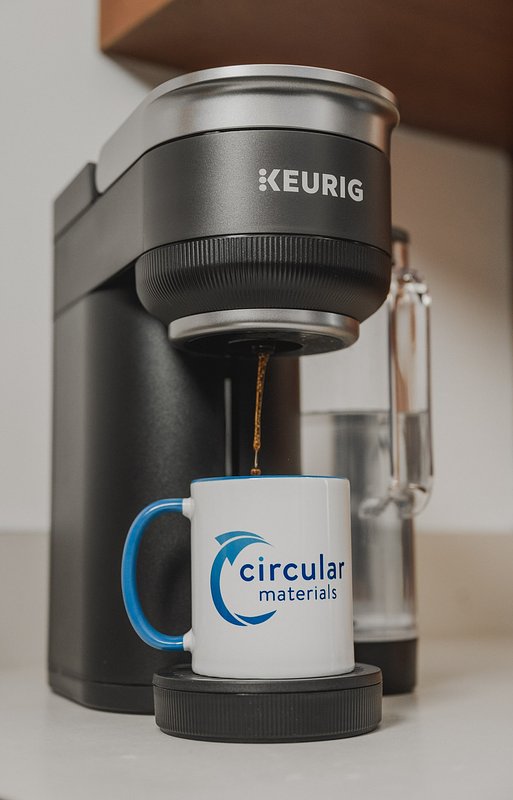
TORONTO, ON – February 23, 2026 – For years, they were the symbol of convenient wastefulness: the single-serve coffee pods that fueled mornings but clogged landfills. Today, that narrative is being rewritten in Ontario. Keurig Dr Pepper Canada (KDP Canada), in partnership with the not-for-profit Circular Materials, has announced that all empty K-Cup® pods are now accepted in the province's Blue Box program.
The move makes home recycling of the ubiquitous pods a reality for millions and brings the total number of Canadians who can do so to approximately 75%. For Ontario residents, the instructions are simple: after brewing, peel the lid, empty the used coffee grounds (which can be composted), and toss the empty polypropylene #5 plastic cup into the recycling bin.
This development is more than just a matter of consumer convenience; it is the most high-profile milestone yet for Ontario’s radical overhaul of its recycling system—a system that now places the full financial and operational burden of recycling on the companies that create the packaging in the first place.
The Engine of Change: Ontario's Producer-Funded Revolution
This announcement would have been unlikely just a few years ago. The key driver is Ontario's shift to an Extended Producer Responsibility (EPR) model for packaging and paper. Transitioning since July 2023 and set for full implementation by 2026, the EPR framework mandates that producers—not municipal taxpayers—fund and manage the entire lifecycle of their packaging.
Circular Materials, a producer-led organization, is managing this new system. "The inclusion of empty K-Cup® pods, and other recyclable plastic single-serve coffee packaging, demonstrates what can be achieved when producers and stakeholders work together," said Allen Langdon, CEO of Circular Materials, in a statement.
Under the old model, municipalities struggled with inconsistent lists of acceptable materials and bore the rising costs of recycling. The EPR system replaces this patchwork with a unified, province-wide list of accepted items. By January 2026, Ontarians everywhere will be able to recycle the same materials, including challenging items like black plastic, toothpaste tubes, and now, all plastic coffee pods.
For producers like KDP Canada, this shift provides a powerful financial incentive to innovate. Rather than creating packaging and leaving its disposal to others, companies are now directly invested in ensuring their products are designed for recyclability and can be efficiently processed. The result, as seen with the K-Cup, is packaging that is re-engineered to work within the recycling system.
"Ontario's modernized Blue Box program and the acceptance of K-Cup® pods mark a significant step towards greater harmonization and a more circular economy for Canadians," noted Ryan Bahadur, Interim President of Keurig Dr Pepper Canada.
From Landfill Villain to Recycling Partner?
The journey of the K-Cup pod is a case study in brand redemption. Since their explosion in popularity, the pods have been a target for environmental criticism. Stories circulated that the number of non-recyclable pods sold in a single year could circle the globe more than ten times. Even the product's inventor, John Sylvan, famously expressed regret over the environmental impact of his creation.
The criticism wasn't just anecdotal. In 2022, Keurig Canada was ordered to pay a $3 million penalty by the Competition Bureau for making misleading claims about the recyclability of its pods. At the time, the pods were not widely accepted in municipal programs outside of British Columbia and Quebec, and the instructions to prepare them for recycling were deemed insufficient.
This history of controversy makes the latest announcement all the more significant. KDP Canada has not only switched all its pods to the more easily recyclable #5 polypropylene plastic but has also redesigned them with an easy-peel lid, directly addressing a key barrier for consumers. To rebuild trust, the company is launching a province-wide education campaign with Circular Materials to guide residents on the proper recycling steps.
This effort reflects a broader corporate strategy. KDP has set ambitious goals, including making 100% of its packaging recyclable or compostable and using 30% post-consumer recycled content by 2025. The move in Ontario is a tangible demonstration of this strategy in action, turning a product once vilified for its waste into a poster child for producer-led circularity.
The Road Ahead: Challenges and the Bigger Picture
While the acceptance of K-Cups in Ontario’s Blue Box is a landmark achievement, experts caution that it is not a silver bullet. The success of the program hinges on two critical factors: consumer compliance and the capabilities of recycling facilities.
Recycling the pods correctly requires a multi-step process from consumers, and past experience shows that not everyone will follow through. Furthermore, the small size of the pods can still pose a challenge for some Material Recovery Facilities (MRFs), where automated sorting equipment may not be able to capture items smaller than three inches, potentially allowing them to fall through the cracks and end up as residue destined for landfill.
Environmental advocates also point out that recycling is only one part of the solution. They argue for a continued focus on the higher rungs of the waste hierarchy: reduction and reuse. Alternatives like reusable pods, compostable options (where industrial composting facilities exist), and traditional drip coffee methods remain a focus for those seeking to minimize their environmental footprint.
Nonetheless, the Ontario initiative represents a pragmatic and scalable step forward. By integrating a notoriously difficult product into a province-wide, producer-funded system, KDP Canada and Circular Materials are testing a model that could be replicated across the country for countless other products. It acknowledges the reality of consumer demand for convenience while building a system that holds producers accountable for the end-of-life of their products. The daily ritual of millions of coffee drinkers will now serve as the biggest real-world test of whether this new era of corporate responsibility can truly brew a greener future.