
- Women make up only 4% of workers in installation, maintenance, and repair occupations.
- Skilled trades jobs are projected to grow more than twenty times the average rate for all occupations by 2032.
- The average annual salary for a plumber in Tulsa is around $61,000, with experienced professionals earning upwards of $90,000.
Experts agree that increasing women's participation in skilled trades is essential to addressing the labor shortage and fostering a more inclusive, economically resilient workforce.
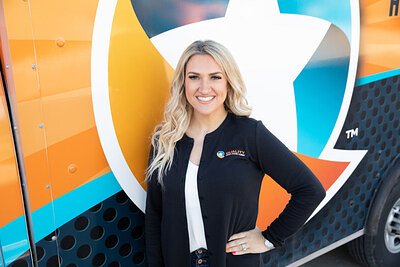
Oklahoma Firm Champions Women to Fill Critical Skilled Trades Gap
TULSA, OK – March 05, 2026 – As the nation grapples with a persistent shortage of skilled labor, one Oklahoma company is turning its focus to a vast, untapped talent pool. In recognition of Women's History Month, Glenpool-based Quality Heating, Cooling, Plumbing & Electric has launched a vocal campaign to encourage women to pursue careers in the trades, highlighting a path toward high-demand, stable employment in fields historically dominated by men.
The initiative confronts a stark statistical reality. According to the U.S. Bureau of Labor Statistics, women comprise a mere 4% of workers in installation, maintenance, and repair occupations—a category that includes the electricians, plumbers, and HVAC technicians essential to modern infrastructure. This gender gap represents not just a societal imbalance, but a critical economic bottleneck.
The Economic Imperative for a Diverse Workforce
The need for skilled trade professionals has never been more acute. Projections show skilled trades jobs are set to grow at a rate more than twenty times the average for all occupations by 2032. The construction and extraction sectors alone are expected to have about 663,500 openings each year, yet employers consistently report struggling to find qualified candidates. This shortage is exacerbated by an aging workforce retiring faster than new talent can be trained.
For women, this labor gap presents a significant opportunity. Careers in HVAC, plumbing, and electrical services offer competitive wages and long-term stability without the requirement of a four-year college degree. In the Tulsa area, for example, the average annual salary for a plumber hovers around $61,000, with experienced professionals earning upwards of $90,000. These are not just jobs; they are pathways to financial independence and community impact.
Cassie Pound, vice president and co-owner of Quality Heating, Cooling, Plumbing & Electric, emphasizes the viability of these careers. "The skilled trades offer meaningful careers where individuals can build financial stability, develop technical expertise and make a direct impact in their communities," Pound said. "There is tremendous opportunity for women who are willing to step into these roles and grow their skills."
Overcoming Barriers and Building New Paths
Despite the clear opportunity, the road for women entering the trades is often paved with unique challenges. The industry has long been characterized by a culture that can feel isolating or even hostile to newcomers who don't fit the traditional mold. Issues range from practical concerns, like ill-fitting personal protective equipment (PPE) designed for male bodies, to systemic problems like gender bias and a lack of mentorship.
National organizations like Tradeswomen, Inc. and Women in HVACR have been working for years to address these hurdles. Their research points to the critical need for intentional change from employers. Successful strategies include creating inclusive work environments with proper facilities, establishing zero-tolerance policies for harassment, and implementing formal mentorship programs to guide new tradeswomen.
Visibility is another key component. When women see others succeeding in these roles, it dismantles stereotypes and opens doors. "Representation matters," Pound stated, a sentiment echoed by advocates across the country. "When women see others succeeding in these roles, it changes perceptions about what is possible. We want young women and career changers to understand that the trades are a viable, respected and high-demand option."
A Local Voice with National Reach
Pound is doing more than just advocating from her leadership position at Quality; she is actively building a platform for that representation. She is the co-founder and co-host of the 'Power Women of the Trades Podcast,' a show dedicated to celebrating and amplifying the voices of female leaders, technicians, and entrepreneurs in the industry. The podcast was born from a desire to showcase the immense talent and business acumen of women in trades, providing a space for them to share their authentic stories of struggle and success.
Joined by co-host Leslie Harpole of Champion Plumbing in Oklahoma City, Pound's podcast has become a source of inspiration and a networking hub. It directly addresses the need for role models by featuring candid conversations with women who are breaking barriers, from navigating market changes to balancing visionary leadership with authentic human connection. This effort to "find the women" and share their stories is a powerful tool in reshaping the industry's culture from the ground up.
From Advocacy to Action
Back in Oklahoma, Quality Heating, Cooling, Plumbing & Electric is putting its message into practice. The company is actively promoting the career pathways it offers, which include hands-on technical training, industry-recognized certifications, and clear avenues for career advancement. By investing in ongoing professional development, the company aims to not only recruit women but also retain and promote them into leadership positions.
This local initiative is a microcosm of a broader national movement. The U.S. Department of Labor has funded programs like the Women in Apprenticeship and Non-Traditional Occupations (WANTO) grant to support women's entry into the trades, while industry groups call for systemic changes to hiring, training, and workplace culture.
As Quality's campaign demonstrates, the solution to the skilled trades shortage lies in a concerted effort to build a more inclusive and equitable workforce. For companies willing to lead the charge, the reward is a stronger, more resilient, and more innovative team ready to meet the demands of the future.
"The trades are evolving," Pound concluded. "Technology, innovation and professional standards continue to raise the bar, and women have an important place in that future."