
- 66% increase: Weight discrimination in healthcare surged by 66% over a decade, highlighting pervasive bias against patients with obesity. - 2026 Medicare shift: A policy change will allow Medicare to cover GLP-1 drugs for obesity patients with co-existing conditions like heart disease or diabetes, starting mid-2026. - Limited access: Even with Medicare coverage, many patients won't qualify, and high costs remain a barrier for low- and middle-income Americans.
Experts agree that systemic barriers, weight stigma, and limited access to evidence-based care are major obstacles in obesity treatment, requiring urgent policy and healthcare system reforms to ensure equitable and dignified care for all patients.
Obesity Care Week: A Coalition's Push for Access and Dignity
TAMPA, Fla. – March 02, 2026 – The annual Obesity Care Week (OCW) kicks off today, mobilizing a global coalition of advocates, healthcare professionals, and policymakers in a concerted push to overhaul how obesity is understood and treated. Running from March 2-6, the campaign aims to dismantle systemic barriers and promote care that is accessible, evidence-based, and free from the stigma that shadows millions of patients.
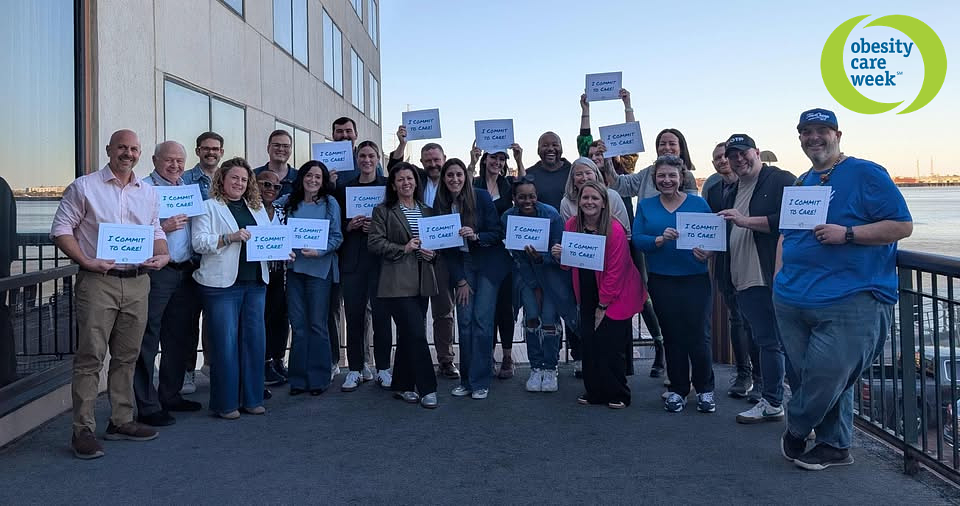
The week's activities, which include virtual panels, educational resources, and coordinated visits with policymakers, are anchored by a central call to action: the digital "I Commit to Care" pledge. While seemingly simple, this pledge represents a direct challenge to a healthcare landscape fraught with obstacles for individuals living with obesity.
"Too many people face stigma, judgment and barriers when seeking obesity care — and those barriers have real consequences for health," said Joe Nadglowski, president and CEO of the Obesity Action Coalition (OAC), a founding champion of the event. "Obesity Care Week is about accountability. It's about committing to care that is grounded in science, respects dignity and ensures people can access the care they need, without bias."
Beyond the Pledge: Confronting Deep-Rooted Bias
The campaign's focus on respectful and unbiased care is a response to the well-documented phenomenon of weight stigma within medical settings. Research shows that bias against patients with obesity is pervasive, with one study indicating that weight discrimination in healthcare surged by 66% in a single decade. This prejudice manifests in numerous ways, from providers spending less time with patients to misattributing a wide range of health complaints to weight, potentially delaying or missing other critical diagnoses.
The psychological toll is immense. Patients frequently report feeling shamed or blamed for their condition, which is strongly linked to higher rates of depression, anxiety, and disordered eating. The fear of judgment often leads individuals to avoid or delay seeking necessary medical care altogether, creating a dangerous cycle of worsening health outcomes.
Systemic neglect is also evident in the very infrastructure of many clinics and hospitals. Patients often encounter practical indignities, such as blood pressure cuffs that are too small to provide an accurate reading, patient gowns that do not fit, or diagnostic imaging machines like MRIs that cannot accommodate their bodies. These are not minor inconveniences; they are fundamental failures that prevent patients from receiving appropriate and sometimes life-saving care.
A Powerful Alliance Driving Policy and Access
Driving OCW is a formidable and complex coalition that unites patient advocacy groups with powerful industry players. The campaign’s Founding Champions include the OAC, The Obesity Society (TOS), and the American Society for Metabolic and Bariatric Surgery (ASMBS), organizations dedicated to patient welfare, scientific advancement, and improving surgical standards.
Alongside them are major pharmaceutical sponsors, most notably Eli Lilly and Company and Novo Nordisk. These companies are at the forefront of a new class of highly effective GLP-1 weight-loss drugs, such as Zepbound and Wegovy. Their involvement highlights a convergence of interests: advocating for obesity to be treated as a serious, chronic disease aligns with their strategic goal of expanding market access and securing insurance coverage for these innovative but costly medications.
This push is playing out in the high-stakes arena of federal policy. Historically, Medicare Part D has been legally barred from covering drugs for weight loss. However, intense lobbying efforts have contributed to a significant policy shift. A recent deal with the Trump administration is set to allow Medicare to begin covering GLP-1 drugs for individuals with obesity who also have co-existing conditions like heart disease or diabetes, starting in mid-2026. A voluntary pilot program is expected in the spring, becoming mandatory in 2027.
Despite this progress, the path to broad access remains contested. A Biden administration proposal to cover anti-obesity drugs for all Medicare recipients with obesity was overturned, and the private insurance landscape remains a confusing patchwork. Some employers, facing high costs, are even reducing or dropping coverage for these medications.
The Shifting Landscape of Treatment and Affordability
At the heart of this intensified push for access is a revolution in the science of obesity treatment. The development of GLP-1 receptor agonists has provided a powerful new tool beyond diet, exercise, and surgery. Yet for many, these groundbreaking therapies remain frustratingly out of reach.
Even with the forthcoming, limited Medicare coverage, many will not qualify. In response to these coverage gaps, both Eli Lilly and Novo Nordisk have launched direct-to-consumer programs, allowing patients to purchase their medications at reduced cash prices. While this provides an alternative for some, the costs—even when discounted—remain prohibitive for many low- and middle-income Americans, exacerbating health disparities.
Furthermore, a critical shortage of healthcare providers trained in obesity medicine complicates the issue. Many primary care physicians lack the education and confidence to manage obesity as a chronic disease or prescribe the new wave of anti-obesity medications, leaving a significant gap between the availability of treatments and the clinical expertise needed to deliver them effectively.
Launched in 2015, Obesity Care Week has been a consistent voice calling for change for over a decade. The fact that its core mission—to advance a science-based understanding of obesity and promote access to respectful care—remains as urgent in 2026 as it was at its inception speaks to the deep-seated nature of these challenges. As the week's events unfold, the campaign serves as a powerful reminder that the fight for equitable and effective obesity care is a long-term battle that extends far beyond a single week of awareness.