
- 23% average weight loss: Patients in clinical trials lost an average of 23% of their body weight with CagriSema.
- 91.9% achieved clinically significant weight loss: Over 90% of participants lost at least 5% of their body weight.
- $100 billion market projection: The global obesity treatment market is expected to exceed $100 billion by the early 2030s.
Experts view CagriSema as a potential game-changer in obesity treatment, offering surgical-level efficacy through a combination of GLP-1 and amylin mechanisms, though concerns about cost and access remain critical.
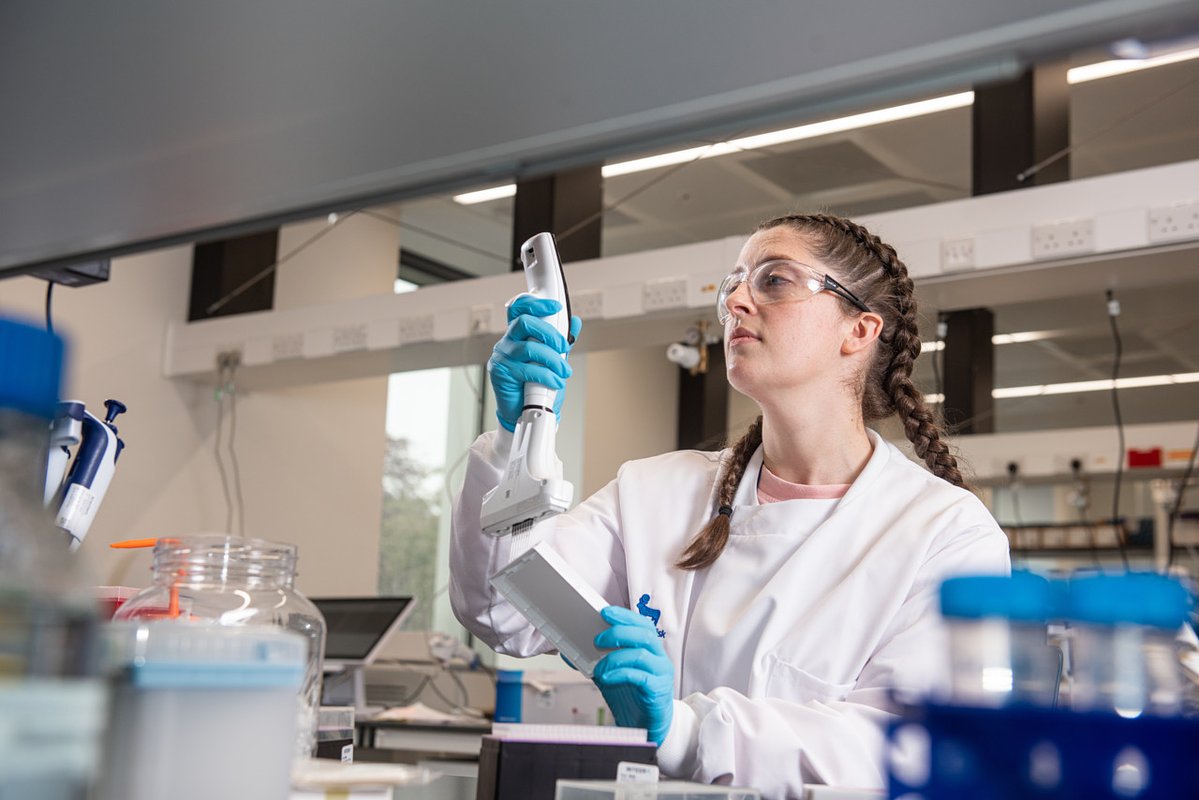
Novo Nordisk's CagriSema Aims to Redefine Obesity Treatment
PLAINSBORO, N.J. and BAGSVÆRD, Denmark – December 18, 2025 – Pharmaceutical giant Novo Nordisk has submitted its next-generation obesity drug, CagriSema, for approval to the U.S. Food and Drug Administration (FDA), signaling a major new offensive in the rapidly escalating market for weight-loss therapies. The move is backed by stunning clinical trial results showing that patients taking the once-weekly injectable lost an average of 23% of their body weight, a figure that pushes the boundaries of pharmacological intervention and inches closer to the efficacy of bariatric surgery.
If approved, CagriSema would be the first-in-class combination of a GLP-1 receptor agonist and an amylin analogue, creating a powerful dual-pronged attack on the complex biology of obesity. The filing positions Novo Nordisk to potentially leapfrog current market leaders, including its own blockbuster drug Wegovy and competitor Eli Lilly's Zepbound, in a therapeutic area projected to be worth over $100 billion by the next decade.
"The FDA submission of CagriSema marks an important milestone and signals a new era in weight management," said Mike Doustdar, president and CEO of Novo Nordisk, in a press release. He noted the drug builds on the profile of semaglutide and has the potential to be a "meaningful step forward in the holistic treatment of obesity."
A New Frontier in Efficacy
The foundation of the FDA submission rests on the impressive results from the REDEFINE 1 phase 3 trial. The 68-week study involved over 3,400 adults with obesity or overweight who did not have diabetes. When evaluating the results assuming all patients remained on treatment, those receiving CagriSema achieved an average body weight reduction of 23% from a baseline of around 236 pounds.
This level of efficacy surpasses the approximately 15% weight loss seen with Wegovy (semaglutide) and the roughly 21% seen with Zepbound (tirzepatide) in their respective pivotal trials. The data suggests the synergistic effect of CagriSema's two components—cagrilintide, a novel amylin analogue, and semaglutide, the GLP-1 agonist already used in Wegovy and Ozempic—is more powerful than either mechanism alone. GLP-1 agonists work by mimicking a gut hormone to suppress appetite and regulate blood sugar, while amylin analogues slow stomach emptying and promote a feeling of fullness.
Beyond the headline number, the trial data reveals a profound clinical impact. An overwhelming 91.9% of participants on CagriSema lost at least 5% of their body weight, a common benchmark for clinical significance. Perhaps more strikingly, a supportive analysis showed that over half (54%) of trial participants who started with obesity achieved a Body Mass Index (BMI) below 30 kg/m²—the clinical threshold for obesity—after 68 weeks. In the placebo group, only 11.1% reached that milestone.
"We are finally approaching surgical-level efficacy with a weekly injection. This is a paradigm shift for how we treat our patients," an endocrinologist not involved in the study commented. "Having a tool that can not only manage but potentially reverse a diagnosis of obesity for a majority of patients would be transformative."
Adverse events were primarily gastrointestinal in nature—including nausea, constipation, and vomiting—which is consistent with the known side effects of the GLP-1 drug class. The company reported that discontinuation rates due to these events were low.
High Stakes in a Blockbuster Market
The CagriSema filing doesn't just represent a scientific advance; it's a strategic move in a high-stakes commercial battle. Novo Nordisk and its main rival, Eli Lilly, are currently locked in a fierce competition to dominate the obesity market. While Novo Nordisk was first to market with its highly effective GLP-1, Wegovy, Eli Lilly's dual-agonist Zepbound quickly gained ground with superior weight-loss data.
CagriSema is Novo Nordisk's clear answer to Zepbound and its powerful pipeline. With efficacy data that appears to top Zepbound, Novo Nordisk aims to reclaim the 'best-in-class' mantle. However, the competition is not standing still. Eli Lilly is advancing its own next-generation candidates, including retatrutide, a triple-agonist (GLP-1, GIP, and glucagon) that showed up to 24% weight loss in mid-stage trials, and orforglipron, an oral GLP-1 pill that could offer a more convenient alternative to injections.
This intense innovation cycle is fueling a market gold rush. Analysts predict the global market for these anti-obesity medications could soar past $100 billion by the early 2030s, reshaping the pharmaceutical landscape and the treatment of chronic metabolic diseases.
The Challenge of Access and Affordability
While the clinical promise of drugs like CagriSema is immense, it is shadowed by a formidable barrier: cost. Current leading weight-loss injectables carry list prices exceeding $1,000 per month in the United States. CagriSema, as a premium combination therapy, is expected to be priced in a similar range, if not higher.
This raises urgent questions about who will benefit from this medical revolution. Currently, insurance coverage for anti-obesity medications is inconsistent. Medicare Part D is legally barred from covering drugs for weight loss alone, a policy that advocates and some lawmakers are fighting to change. Commercial insurance plans vary widely, with many employers opting out of coverage due to the high cost, and those that do cover them often impose strict prior authorization hurdles.
Patient advocacy groups, while celebrating the scientific progress, consistently voice concerns that these life-changing treatments could remain out of reach for the majority of the millions who could benefit. Without broader insurance coverage and more accessible pricing, these drugs risk exacerbating health inequities, creating a two-tiered system where effective obesity treatment is reserved for the wealthy or those with premium insurance plans.
The future of CagriSema's market access may hinge on data that is still to come. The FDA is expected to complete its review of the application in 2026. In the meantime, all eyes are on the ongoing REDEFINE 3 clinical trial, a large-scale study designed to see if CagriSema can reduce the risk of cardiovascular events like heart attacks and strokes in patients with obesity. A positive result in that trial—similar to the one that recently earned Wegovy an expanded cardiovascular indication—could provide a powerful argument for payers, including potentially Medicare, to cover the medication not just for weight loss, but for its life-saving heart benefits.
Topics & Related
Regulatory & Legal
Clinical Trial
Digital Transformation
Regulation & Compliance
ESG
Precision Medicine
Revenue
Related Company Pulse