
- 100 million pounds annually: The SYNDIGO1 facility is expected to reach full production capacity of over 100 million pounds of recycled polyethylene (rPE) annually by 2026.
- 2% recycling access: Only 2% of U.S. households can recycle plastic film through curbside collection.
- 30% lower emissions: Mechanical recycling can result in up to 30% lower greenhouse gas emissions compared to virgin polymer production.
Experts would likely conclude that NOVA Chemicals' commercialization of film-to-film recycling represents a significant step forward in addressing the plastic waste crisis, offering a scalable solution for previously hard-to-recycle materials while reducing reliance on virgin plastics and lowering carbon emissions.
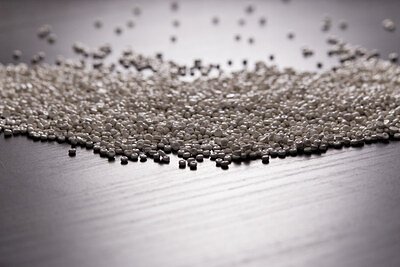
NOVA Chemicals Unlocks Film-to-Film Recycling at Scale
CALGARY, AB – February 23, 2026 – NOVA Chemicals Corporation has officially commercialized two new recycled polyethylene (rPE) grades, a move that signals a significant advancement in the battle against plastic waste. The new products, SYNDIGO™ rPE-IN3 and SYNDIGO rPE-IN4, are made from 100% post-consumer recycled (PCR) films and are now available in commercial quantities for non-food grade applications across North America.
This launch directly addresses the growing pressure on brands and manufacturers to incorporate more sustainable materials into their packaging. The new resins are suitable for a wide array of flexible products, including can liners, protective packaging, carry-out bags, heavy-duty sacks, and shrink film. By providing a reliable source of high-quality recycled content, NOVA Chemicals is enabling companies to meet their sustainability targets and respond to consumer demand for a more circular economy.
Scaling a Solution for Problematic Plastics
The commercialization of these grades is particularly noteworthy because they are derived from post-consumer plastic film, a material stream notoriously difficult to recycle. Flexible packaging, such as plastic wraps and bags, constitutes a major portion of plastic waste but poses significant challenges for conventional recycling infrastructure. These materials often tangle in the machinery of standard Materials Recovery Facilities (MRFs), leading to costly shutdowns and a general reluctance to accept them in curbside programs. As a result, recycling access for plastic film remains dismally low, with some estimates suggesting only 2% of U.S. households can recycle it through curbside collection.
NOVA Chemicals bypasses this challenge through a targeted collection strategy. The feedstock for the new SYNDIGO grades is sourced directly from distribution centers and the back-of-store operations of major retailers. This approach ensures a cleaner, more consistent stream of used polyethylene stretch films (for rPE-IN3) and mixed retail PE films (for rPE-IN4). By creating a viable end market for this material, the company provides a powerful incentive for retailers to segregate and collect film waste, effectively closing the loop on a massive commercial waste stream.
All production takes place at SYNDIGO1, NOVA Chemicals' dedicated mechanical recycling facility in Connersville, Indiana. This plant, commissioned in 2025, represents a cornerstone of the company's circularity strategy and is a tangible example of large-scale film-to-film recycling in action.
Meeting Surging Market Demand for Sustainability
The timing of this launch could not be more critical. The North American market for recycled polyethylene is expanding rapidly, with projections showing a compound annual growth rate (CAGR) of around 5% through 2030. This growth is fueled by a combination of regulatory mandates, corporate environmental, social, and governance (ESG) commitments, and a powerful shift in consumer preference toward sustainable products. According to market analyses, the global demand for post-consumer recycled plastic is on a trajectory to triple by 2030.
Until now, a primary barrier for many brand owners wanting to increase their use of recycled content has been the inconsistent supply and variable quality of available materials, especially for film applications. NOVA Chemicals aims to solve this with its new offerings. "These new SYNDIGO grades have been testing tremendously with our customers over the last several months, and we are excited to make them widely available in commercial quantities," stated Alan Schrob, Director of Mechanical Recycling at NOVA Chemicals. "Our SYNDIGO1 facility shows that film to film recycling is very real, and we are thrilled to deliver against our customer's expectations around quality, consistency, and scale."
By providing a dependable, large-scale source of PCR, the company is not just selling a product; it is offering a pathway for the packaging industry to fundamentally reduce its reliance on virgin plastics and lower its overall carbon footprint. Studies have shown that mechanical recycling can result in significantly lower greenhouse gas emissions—in some cases 30% lower—compared to the production of virgin polymers from fossil fuels.
A Strategic Investment in the Circular Economy
The SYNDIGO1 facility in Indiana is the engine behind this new commercial push. The 450,000-square-foot plant is expected to reach its full production capacity of over 100 million pounds of rPE annually within 2026. This impressive scale is critical to making a meaningful impact on the supply chain and diverting substantial volumes of plastic from landfills. The facility's capabilities have already been recognized with a Recycled Material Standard certification, verifying that its output is 100% post-consumer recycled content.
This investment reflects a broader strategic pivot by NOVA Chemicals, a company traditionally known for producing virgin polyethylene. By building out its mechanical recycling infrastructure and its NOVA Circular Solutions business, the Calgary-based firm is positioning itself as a leader in the transition to a circular plastics economy. The company has publicly stated its ambition to incorporate 30% recycled content across its total polyethylene sales, a goal that necessitates major investments in facilities like SYNDIGO1.
The launch is being highlighted this week at the 2026 Plastics Recycling Conference in San Diego, where the company is exhibiting alongside partners, further signaling its commitment to engaging with the entire recycling value chain.
Expanding the Portfolio and Future Horizons
The two new non-food grades are just the latest additions to the growing SYNDIGO portfolio, which already includes a white recycled LLDPE resin and a recycled high-density polyethylene (rHDPE) available for both food and non-food applications. However, the company's ambitions extend even further. Later in 2026, NOVA Chemicals expects to broaden its offerings to include a 100% recycled LLDPE designed for food-contact applications.
This future step is supported by a Letter of Non-Objection (LNO) received from the U.S. Food and Drug Administration (FDA) in 2024, which confirmed the suitability of the company's mechanical recycling process for producing food-grade material. The introduction of a food-contact rPE from post-consumer film would be a landmark achievement, opening up a vast new market for recycled content in pouches, food wraps, and other flexible packaging formats, and further accelerating the industry's journey toward a truly circular system for plastics.