
- 60% of Newfoundland and Labrador's GDP comes from exports, highlighting the province's reliance on natural resources.
- The expansion aims to accommodate 80,000-tonne vessels and create over 70 jobs in the region.
- Public consultation is open until January 16, 2026, with participant funding available to support community engagement.
Experts emphasize that while the Point Rousse Port Expansion could drive economic growth and job creation, its long-term success depends on balancing industrial development with environmental sustainability and meaningful community involvement.
Newfoundland's Double-Edged Sword: The Point Rousse Port Expansion
ST. JOHN'S, NL – December 12, 2025
On the rugged Baie Verte Peninsula, a region long defined by the ebb and flow of resource economies, a new proposal is testing the waters of progress. The Point Rousse Port Expansion Project, a plan to significantly scale up marine terminal capacity, is being presented as an engine for economic growth. Yet, beyond the blueprints and balance sheets lies a more profound question for the communities of Newfoundland and Labrador: how do we weigh the promise of prosperity against the preservation of the environmental and social fabric that underpins our collective health?
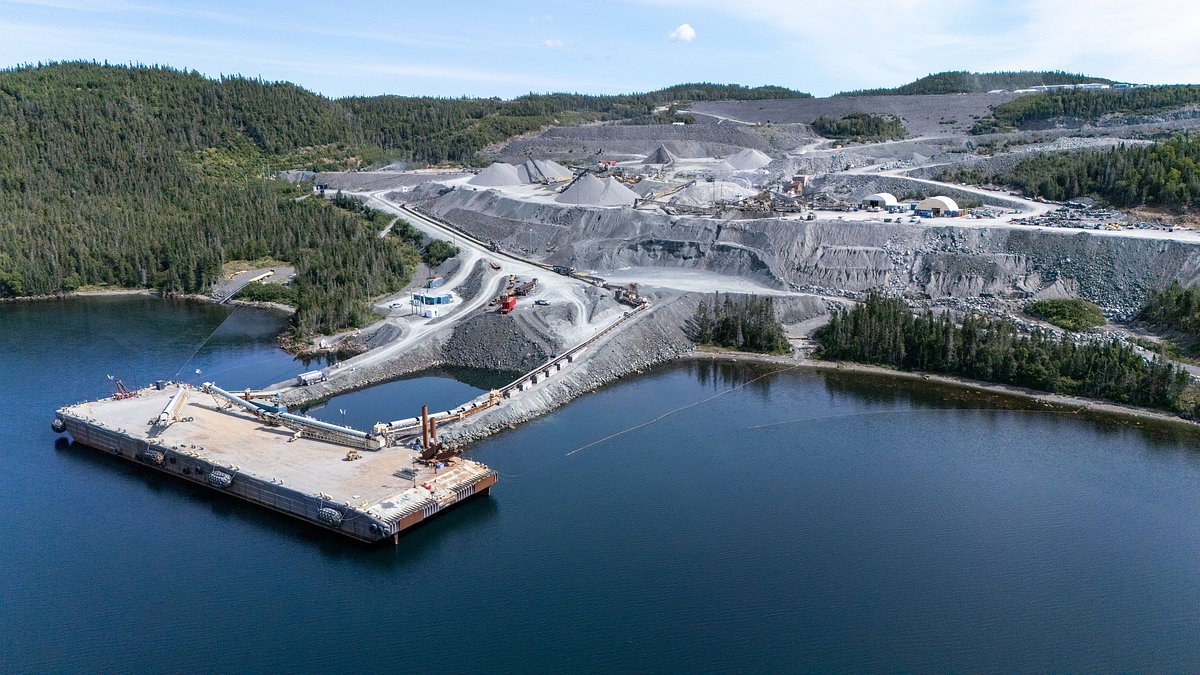
Point Rousse Marine Terminal Ltd. has proposed a major overhaul, including a new deep-water berth capable of accommodating massive 80,000-tonne vessels, new access roads, and significant shoreline infilling. The stated goal is to boost exports of aggregate and bulk minerals, tapping into global markets and diversifying an economy historically reliant on the volatile fishing and oil sectors. The Impact Assessment Agency of Canada (IAAC) has now opened the floor for public and Indigenous comment, a critical first step in a process that will shape the region’s future long after the last ship has sailed.
This isn't merely an industrial assessment; it's a conversation about the very definition of a healthy community. It forces us to look beyond hospital walls and examine the foundational pillars of well-being: stable employment, a clean environment, and a meaningful voice in the decisions that shape our lives.
An Economic Lifeline or a Temporary Fix?
For a province actively seeking to broaden its economic horizons, the project's allure is undeniable. Newfoundland and Labrador's economy is deeply intertwined with its natural resources, with exports accounting for nearly 60% of its GDP. The proposed expansion at Point Rousse aligns perfectly with a provincial strategy to leverage its vast, multi-billion-dollar mineral wealth.
The project builds on a proven concept. The existing, smaller port facility, previously operated by Anaconda Mining Inc. (now Signal Gold Inc.), demonstrated the viability of shipping aggregate - crushed waste rock from its adjacent gold mine - to markets in the United States. This venture was heralded as a success, creating over 70 jobs and providing a new revenue stream for the Baie Verte region. Proponents argue that this expansion is the logical next step, transforming a single-user facility into a multi-user hub that could unlock the potential of other mineral deposits in the area.
Economic stability is a powerful social determinant of health. The prospect of new jobs and sustained commercial activity can translate directly into improved household incomes, better access to nutritious food, and reduced financial stress for families on the peninsula. In a rural setting, such opportunities can be the difference between a community that thrives and one that withers. The economic argument is not just about provincial revenue; it’s about creating the conditions for individual and family wellness.
However, the long-term sustainability of this economic model requires scrutiny. Is the global demand for aggregates and minerals a stable foundation for decades of prosperity, or is it another boom-and-bust cycle in waiting? A truly healthy economic strategy must foster resilience, not just short-term revenue. The community must ask whether this expansion creates lasting local value or primarily serves to extract resources with minimal long-term benefit for those who call the peninsula home.
The Environmental Cost of Doing Business
While the economic benefits are tangible, the potential environmental costs cast a long shadow. Large-scale port construction and operation - involving dredging, shoreline infilling, and a dramatic increase in vessel traffic - pose significant risks to the delicate marine ecosystem. These are not abstract environmental concerns; they are direct threats to community health.
The waters around the Baie Verte Peninsula support local fisheries and are part of a complex coastal habitat. Disruptions from construction and increased ship traffic can impact fish populations, marine mammals, and the overall health of the bay. Runoff from expanded laydown areas and the ever-present risk of spills could degrade water quality, affecting both wildlife and any local harvesting of sea-based foods. Furthermore, the noise and light pollution from a 24/7 industrial port can disrupt not only wildlife patterns but also the peace and quality of life for nearby residents, a known contributor to chronic stress.
This is where the impact assessment process becomes paramount. It must rigorously examine the potential for coastal erosion, the cumulative effects on marine habitats, and the integrity of the water itself. The health of the environment and the health of the community are inextricably linked. A project that compromises the natural systems people depend on for food, recreation, and cultural identity cannot be considered an unqualified success, no matter the economic returns.
A Voice for the Future: The Power of Public Consultation
Perhaps the most critical aspect of the Point Rousse project is unfolding right now, not on the shoreline, but in the public square. The IAAC's call for comments, open until January 16, 2026, is more than a regulatory formality; it is the primary mechanism for ensuring the project reflects the values and concerns of the people it will affect most directly.
The federal government's legal and moral “duty to consult” with Indigenous Peoples is central to this process. Indigenous communities hold unique and invaluable knowledge of the land and waters, passed down through generations. Their input is essential for understanding the true, long-term ecological and cultural impacts that a standard environmental assessment might miss. This consultation is a vital component of reconciliation and a cornerstone of environmental justice, ensuring that those with the deepest connection to the land have a powerful voice in its stewardship.
To facilitate this, the IAAC is offering participant funding, a crucial tool that empowers local groups, non-profits, and Indigenous organizations to engage meaningfully. This funding helps cover the costs of hiring experts, conducting research, and preparing detailed submissions. It helps level the playing field, ensuring that the proponent’s well-resourced proposal is met with equally well-prepared community feedback. By retroactively covering costs for this initial comment period, the agency is signaling a commitment to inclusive participation from the very beginning.
The questions raised during this period will shape the project's trajectory. They will push the proponent to clarify mitigation strategies, justify their economic projections, and demonstrate a genuine commitment to community partnership. The outcome of this dialogue will determine whether the Point Rousse expansion becomes a model for sustainable development or a cautionary tale of economic ambition overriding community well-being.