
- 16,000 annual openings for automotive body and glass repairers projected over the next decade (U.S. Bureau of Labor Statistics).
- Median annual wage for automotive body repairers: $51,000+ (as of May 2024).
- Shortfall of hundreds of thousands of technicians needed to meet market demand (TechForce Foundation).
Experts agree that the U.S. Labor Department’s endorsement of CECA’s apprenticeship model is a critical step in addressing the severe labor shortage in collision repair, providing a standardized, scalable solution to train the next generation of skilled technicians.
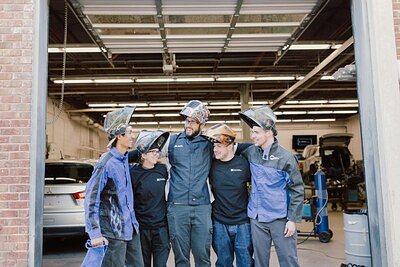
New U.S. Labor Dept. Standard Aims to Fix Auto Repair Skills Gap
ST. LOUIS, March 18, 2026 – In a landmark move to address a deepening workforce crisis in the automotive sector, the U.S. Department of Labor has officially recognized an apprenticeship model from the Collision Engineering Career Alliance (CECA) as the new national standard for training collision repair technicians. This federal endorsement establishes a unified, high-quality blueprint for cultivating the next generation of skilled professionals in an industry grappling with a severe labor shortage.
The approval designates CECA’s program under the National Guidelines for Apprenticeship Standards (NGS), providing a federally vetted framework that educational institutions and employers across the country can adopt. The initiative aims to streamline and elevate the training process, ensuring a consistent pipeline of job-ready talent capable of repairing increasingly complex modern vehicles.
"The Department of Labor's approval of our National Guidelines for Apprenticeship Standards is a defining moment for Collision Engineering," said John Helterbrand, the national program director of the alliance. "It validates the work we have done to align education and industry, and it ensures students and employers alike can access a pathway that is nationally recognized and sustainable for the future. This is how we build the next generation of our workforce."
A National Blueprint for a Critical Shortage
The timing of the new standard is critical. The collision repair industry has been sounding the alarm for years over a significant talent gap. According to the U.S. Bureau of Labor Statistics, the field is projected to have approximately 16,000 openings for automotive body and glass repairers each year over the next decade. The vast majority of these vacancies stem not from new job growth, but from the urgent need to replace a rapidly retiring workforce and others transferring to different occupations.
Independent industry analyses paint an even more stark picture. The TechForce Foundation has previously estimated a shortfall of hundreds of thousands of technicians needed to meet market demand. This shortage is exacerbated by several factors, including the exodus of Baby Boomers, competition from other skilled trades, and the steep learning curve associated with new vehicle technology. Today's cars are packed with advanced driver-assistance systems (ADAS), complex electronics, and new materials, transforming the role of a technician into that of a highly specialized "collision engineer."
The federal recognition of CECA’s model provides a structured, scalable solution. By creating a standardized curriculum and training pathway, the NGS aims to attract new talent while providing employers with a reliable source of skilled labor, mitigating the revenue losses and service delays that result from unfilled technician positions.
Redefining Training: The "Earn While You Learn" Model
At the heart of the Collision Engineering Career Alliance’s strategy is an innovative two-year associate degree program built on a hybrid, work-based learning model. The structure is a departure from more traditional vocational training, designed to immerse students in the professional world from day one. Participants rotate in eight-week blocks, alternating between intensive classroom instruction at a partner college and paid, on-the-job apprenticeships at a qualified collision repair facility.
This “earn while you learn” approach offers profound benefits for students. It provides a steady income, significantly reducing the financial barriers and student loan debt often associated with higher education. More importantly, it allows for the immediate application of theoretical knowledge in a real-world setting, accelerating skill development and ensuring graduates are not just certified, but truly job-ready.
Upon completing the program, graduates earn both an associate degree and a nationally recognized Collision Engineering Technician Certificate from the U.S. Department of Labor. This portable credential validates their expertise to employers anywhere in the country, opening doors to a high-demand career with strong income potential. As of May 2024, the median annual wage for automotive body repairers was over $51,000, with the top 10 percent of earners exceeding $87,000. With experience and specialized certifications, career progression can lead to roles as estimators, shop managers, or master technicians.
A Coalition for the Future of Repair
The success of this national initiative hinges on a powerful collaboration between industry, education, and government. CECA, a 501(c)(3) nonprofit organization, acts as the central catalyst, with foundational support provided by the Enterprise Mobility Foundation. This public-private partnership model is crucial for creating a sustainable talent ecosystem.
"Our program, which is creating the next generation of highly skilled collision repair professionals, thrives due to solid industry partnerships with others who are committed to strengthening the future of collision repair," said Mary Mahoney, President of the Collision Engineering Career Alliance. "These standards will provide communities across the country a pathway to expand and elevate collision engineering training for colleges, students and employers, helping to ensure long-term program sustainability."
The alliance is already active at a growing network of partner schools, including College of Lake County in Illinois, Contra Costa College in California, Metropolitan Community College in Nebraska, and Sandhills Community College in North Carolina, among others. These institutions work alongside local repair facilities to deliver the integrated curriculum.
This collaborative approach benefits all stakeholders. Automotive manufacturers and insurance companies rely on quality repairs to maintain vehicle safety and customer satisfaction. Repair shops gain access to a pre-vetted talent pool trained on the latest standards. For the educational institutions, it provides a highly relevant, in-demand program that delivers a clear return on investment for its students. By uniting these disparate groups, the alliance is building a cohesive strategy to tackle a complex, industry-wide challenge and ensure the future of vehicle repair is in capable hands.