
- $1,000 grant awarded to undergraduates committed to mental health advocacy
- July 15, 2026 application deadline
- $501,556 settlement paid by Dr. Malik for healthcare fraud
Experts agree that integrating mental health training into medical education is critical, but the grant's future impact is uncertain due to its founder's legal controversies.
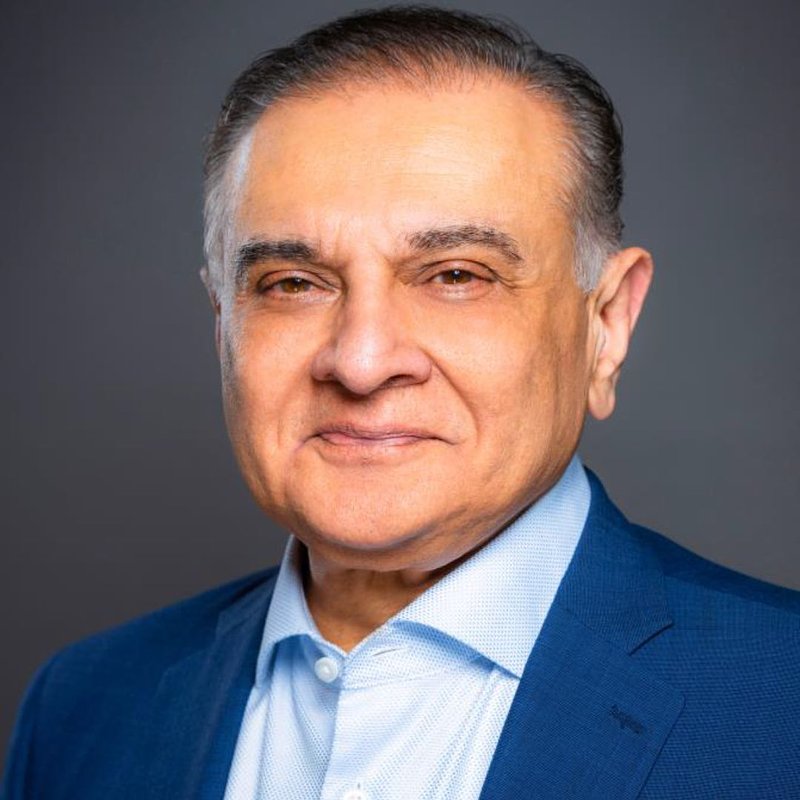
New Mental Health Grant Launched as Founder Faces Fraud Sentencing
ST. LOUIS, MO – December 29, 2025 – A new national grant program intended to champion mental health advocacy among future healthcare professionals has been launched, even as its founder, a prominent St. Louis psychiatrist, faces sentencing for healthcare fraud.
The Dr. Azfar Malik Grant for Healthcare Students is now accepting applications, offering a one-time $1,000 award to undergraduates who demonstrate a commitment to integrating mental health into their future careers. The initiative arrives at a time of intense focus on mental well-being within the medical community, but its announcement is shadowed by the recent legal troubles of its creator.
A Mission to Cultivate Compassion
According to the official announcement, the grant's core purpose is to invest in a new generation of clinicians who view mental and physical health as fundamentally linked. "The core mission of this program is to identify and support future healthcare leaders who recognize that mental and physical health are inseparable," stated Dr. Azfar Malik in the press release.
Applicants are not judged by GPA but by the quality of a 500-750 word essay. The prompt asks students to reflect on an experience that shaped their understanding of mental health's role in healthcare and how they plan to apply that awareness in their professional lives. The program is open to any undergraduate student enrolled at an accredited U.S. institution on a path toward a healthcare profession.
The application deadline is set for July 15, 2026, with a winner to be announced a month later. The initiative is framed as an extension of Dr. Malik's decades-long career, which has focused on destigmatizing mental illness and reforming healthcare systems.
Addressing a Critical Gap in Medical Education
The grant's focus aligns with a growing consensus in the medical field: mental health training is a non-negotiable component of modern healthcare education. Experts and medical associations have increasingly called for curricula that better prepare providers to address the psychological needs of patients and themselves. Studies show that over a quarter of healthcare workers experience symptoms of anxiety, depression, or burnout, underscoring the need for systemic support and early education.
Initiatives like the Dr. Azfar Malik Grant are part of a broader trend. Several other scholarships, such as the ADHDAdvisor's Mental Health Advocate Scholarship and various regional awards from the National Alliance on Mental Illness (NAMI), similarly use financial incentives and essay requirements to encourage students to engage with mental health advocacy. These programs aim to reduce stigma and equip future professionals to identify and address mental health issues with greater empathy and skill.
For students, the financial aspect, while modest, can be significant. With more than half of U.S. undergraduates reporting they would struggle to cover a $500 emergency expense, a $1,000 award can alleviate pressure, covering costs for textbooks, supplies, or living expenses. Beyond the money, the process itself serves as a catalyst. The essay requirement prompts deep reflection, while winning a national award offers valuable recognition that can bolster a student's academic and professional profile.
A Legacy of Innovation and Controversy
The grant's founder, Dr. Azfar Malik, has a long and distinguished public-facing career. A Distinguished Lifetime Fellow of the American Psychiatric Association, he founded CenterPointe Hospital, a major behavioral health system in Missouri, and served as its Chief Medical Officer until 2024. His work has extended globally, with leadership roles at Behavioral Health Systems and CenterPointe International in Dubai. He holds an academic position as an Adjunct Associate Clinical Professor at Saint Louis University and is involved in multiple philanthropic efforts, including a family foundation that supports underserved students.
However, this legacy of public service is now complicated by serious legal issues. In April 2025, Dr. Malik pleaded guilty in federal court to two counts of making false statements related to healthcare matters. According to court documents, he admitted to submitting fraudulent claims to Medicare, Medicaid, and private insurers for services he claimed to have provided in person while he was actually out of the state or country.
One specific instance cited in his plea agreement involved billing Missouri Medicaid for an inpatient hospital visit while he was in Hawaii. In another, he billed a private insurer for an intravenous ketamine infusion that was administered by another doctor who lacked the proper DEA registration, while Dr. Malik was out of town.
As part of a civil settlement related to these and other allegations spanning from January 2019 to May 2024, Dr. Malik and his associated healthcare entity agreed to pay $501,556 to resolve claims under the False Claims Act. The settlement includes $250,778 in restitution. He also agreed to surrender his DEA registrations. His sentencing is scheduled for August 11, 2025, just four days before his new grant's first winner is set to be announced.
The Future of the Grant
The stark contrast between the grant's mission of fostering ethical, compassionate care and its founder's admission of healthcare fraud raises complex questions for its future. The program's website and press materials make no mention of the legal proceedings, focusing instead on Dr. Malik's extensive career and philanthropic vision.
For the undergraduate students applying, the grant remains an opportunity to gain financial support and recognition for their commitment to a critical area of healthcare. The essay prompt encourages them to articulate a personal philosophy of patient-centered care, an exercise that remains valuable regardless of the controversy surrounding the program's namesake. The initiative taps into a genuine and urgent need to produce a generation of healthcare workers who are better equipped to handle the mental health crisis. Whether this new grant can overcome the shadow of its founder's legal troubles to achieve its stated mission remains to be seen.