
- $16 billion: The projected size of the medical device testing market by 2030, with biocompatibility testing comprising the largest share.
- 42% growth: South Carolina's life sciences industry has grown by 42% since 2017, with an annual economic impact of $25.7 billion.
- Single-source solution: The new lab consolidates complex testing processes under one roof, streamlining regulatory compliance and accelerating innovation.
Experts agree that Lucideon's new biocompatibility lab is a critical advancement for patient safety and medical device innovation, offering a streamlined, global solution to navigate stringent regulatory requirements and ensure safer, faster product development.
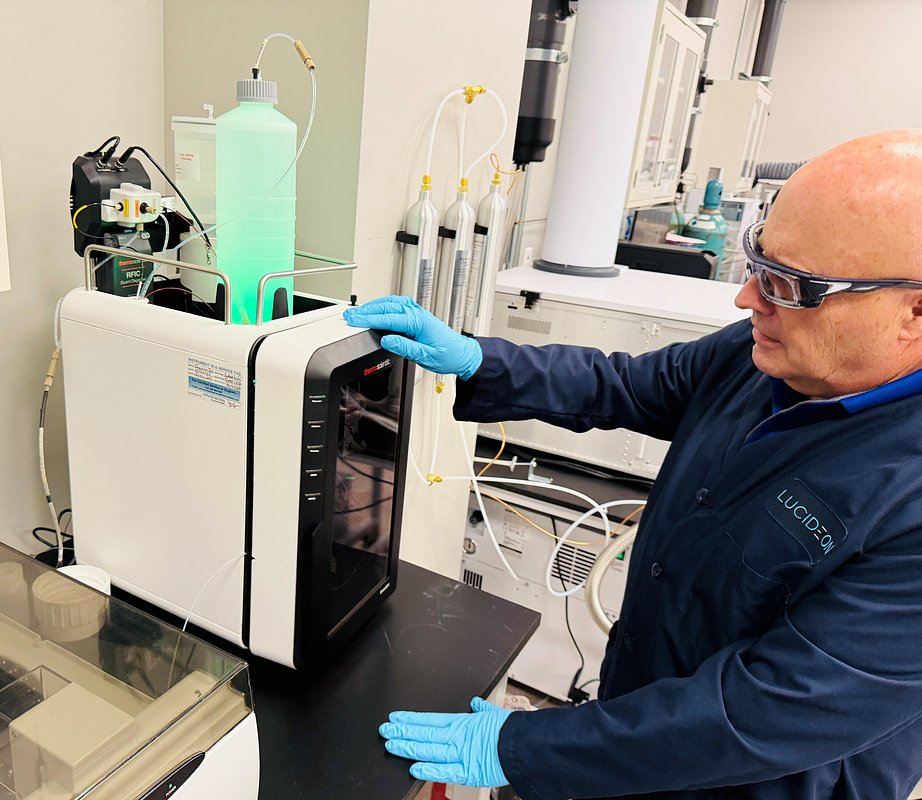
New Lucideon Lab Aims to Secure the Future of Medical Device Safety
GREENVILLE, SC – May 18, 2026 – International technology company Lucideon has officially opened a pioneering biocompatibility laboratory in Greenville, South Carolina, a move poised to redefine safety standards for the global medical device industry. The state-of-the-art facility, which became fully operational this month, is designed to be a single-source solution for the complex and critical testing required to ensure medical devices interact safely with the human body.
As medical technology becomes increasingly sophisticated—incorporating novel polymers, advanced coatings, and complex composites—the risk of unintended biological reactions grows. This new lab directly addresses that challenge by offering a comprehensive suite of services aimed at helping manufacturers navigate stringent regulatory hurdles and, ultimately, protect patient health.
A New Frontline for Patient Safety
At the heart of the new facility's mission is the concept of biocompatibility. This refers to the ability of a material or device to perform its function within the body without causing harmful local or systemic effects, such as inflammation, toxicity, or immune rejection. For patients receiving anything from a simple wearable sensor to a life-sustaining heart valve or joint implant, this property is not just a technical detail—it is the bedrock of their safety and trust in the technology.
“Ensuring biocompatibility isn’t only a regulatory hurdle, it’s essential for patient trust, provider reliability, and clinical success,” said Dr. Sean Borkowski, President of Lucideon M+P, in a statement. He noted that as device design advances, so does the risk of unexpected reactions. “Our goal is to enable device makers to move faster and more confidently, knowing that their materials can safely interact with biological systems in the way they intend.”
The regulatory landscape for medical devices is rigorous and constantly evolving. Standards like the international ISO 10993 series and specific FDA guidance documents mandate a risk-based approach, requiring manufacturers to thoroughly evaluate their devices based on the nature and duration of bodily contact. This often involves a complex battery of tests, including cytotoxicity, extractables and leachables (E&L) analysis, and toxicological risk assessments. Failure to meet these standards can result from inadequate material characterization, manufacturing inconsistencies, or a poor understanding of how a device's components might degrade over time, posing significant hurdles for innovators.
Streamlining Innovation in a Competitive Market
Lucideon's Greenville facility aims to solve a major pain point for the industry by consolidating the entire testing process under one roof. The medical device testing market is a dynamic and rapidly expanding sector, projected to exceed $16 billion by 2030, with biocompatibility testing comprising the largest share. In this competitive environment, speed to market is critical, but it cannot come at the expense of safety.
By co-locating services that are often fragmented—such as chemical characterization, advanced implant performance assessments, and surface analysis—the company intends to dramatically reduce logistical complexity and improve efficiency. “By handling all aspects of testing as an all-in-one service...Lucideon aims to simplify the process for medical device developers, helping bring safer, reliable solutions to patients more efficiently,” Dr. Borkowski explained. This integrated approach promises faster turnaround times, seamless collaboration with experts, and consistent, high-quality results across a wide range of device categories, including stents, vascular delivery systems, joint replacements, and tissue scaffolds.
This streamlined model is particularly beneficial for the growing number of small and medium-sized medical device manufacturers who may lack the extensive in-house resources of larger corporations but are often at the forefront of innovation. Providing them with a clear, efficient pathway through the regulatory maze can help level the playing field and foster a more vibrant ecosystem for medical technology.
Fueling a Regional Medtech Powerhouse
The decision to locate the lab in Greenville is a strategic one, reflecting the Southeast's emergence as a formidable hub for the life sciences. South Carolina's life sciences industry is its fastest-growing sector, boasting a $25.7 billion annual economic impact and a 42% growth rate since 2017. The state is home to over 1,000 life sciences companies, with a strong concentration in medical device manufacturing.
This burgeoning ecosystem provides both the talent and the customer base necessary for a specialized facility like Lucideon's to thrive. The lab's presence, in turn, provides critical infrastructure that will further fuel this regional growth, supporting local innovators and attracting new investment. By offering world-class testing services locally, the facility helps solidify the region's standing as a significant center for medical technology, reducing the need for local companies to send products across the country or overseas for evaluation.
A Global Strategy for Safer Devices
The Greenville lab is a key component of Lucideon's broader global strategy. It is designed to work in tandem with the company's in vitro cell biology laboratory in the United Kingdom, which opened last year in Staffordshire. That facility, developed in partnership with Queen Mary University of London, focuses on advanced cell-based assays and early-stage R&D support.
Together, these two centers create a transatlantic bridge, offering a comprehensive, global solution for medical device manufacturers. This dual-continent footprint allows Lucideon to serve a worldwide client base and help companies navigate the distinct regulatory requirements of different major markets, such as the U.S. FDA and European authorities.
“With laboratories in the UK and now the US, Lucideon offers a truly global biocompatibility and materials performance solution to drive faster and safer innovation,” Dr. Borkowski concluded. “We are in a position to offer a global footprint for the world’s medical device manufacturers to support their innovation and compliance journeys, ultimately improving and protecting patient health and function worldwide.” As medical technology continues its rapid advance, facilities like the one in Greenville represent the critical infrastructure necessary to balance innovation with the paramount principle of patient safety, ensuring future breakthroughs can be delivered to the public with confidence and trust.