
- 4,400 SCFM of biogas: The facility will generate over 4,400 standard cubic feet per minute of biogas.
- 1.2 million MMBtu annually: The facility will produce approximately 1.2 million MMBtu of renewable natural gas (RNG) each year.
- 63,700 metric tons of CO2e: The project will prevent approximately 63,700 metric tons of carbon dioxide equivalent emissions annually.
Experts would likely conclude that this project exemplifies how agricultural waste can be transformed into a valuable low-carbon fuel source, significantly reducing emissions while creating economic opportunities in rural communities.
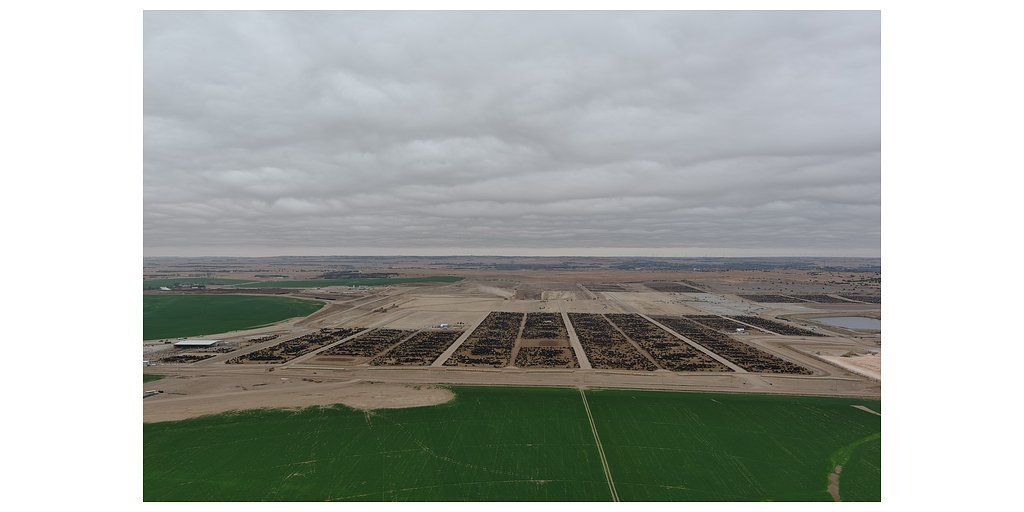
Nebraska's New Frontier: Turning Cattle Manure into Green Energy Gold
BROKEN BOW, NE – May 19, 2026 – In the heart of America's cattle country, a new kind of harvest is underway. Neogenyx Fuels, a developer of advanced energy solutions, has officially commenced construction on a pioneering renewable natural gas (RNG) facility located at the Adams Land & Cattle feedlot. The project represents a significant leap forward in the green energy transition, transforming agricultural waste into a valuable, low-carbon fuel source while cultivating new economic opportunities in rural Nebraska.
The facility, owned by Neogenyx Fuels, is a joint venture between cleantech integrator Ameresco and sustainable infrastructure investor HASI. It marks the company's first foray into agricultural RNG and is poised to become a blueprint for how farming operations can play a central role in national decarbonization efforts.
“This project represents a milestone in the industry and an exciting chapter for Neogenyx Fuels,” said Michael Bakas, CEO of Neogenyx Fuels, in a statement. “The Adams feedlot RNG facility is a beacon, showcasing how advanced biofuels can provide tremendous investments in rural communities, create job growth, and position agriculture as the next major domestic export engine.”
From Feedlot to Fuel Tank
At the core of the project is the proven science of anaerobic digestion. The facility will utilize eight massive anaerobic digesters to process manure from the feedlot. In this oxygen-free environment, microorganisms will break down the organic matter, producing biogas rich in methane. This process effectively captures methane, a greenhouse gas over 28 times more potent than carbon dioxide, that would otherwise be released into the atmosphere from traditional manure lagoons.
The captured biogas will then be upgraded into pipeline-quality renewable natural gas. The facility is engineered to generate over 4,400 standard cubic feet per minute (SCFM) of biogas, yielding approximately 1.2 million MMBtu of RNG annually. This clean-burning fuel will be injected into the local natural gas system for use primarily in the transportation sector, displacing fossil fuels and significantly reducing emissions.
By capturing and converting this waste stream, the project is expected to prevent approximately 63,700 metric tons of carbon dioxide equivalent from entering the atmosphere each year. To put that figure in perspective, it is comparable to the amount of carbon sequestered by more than 63,800 acres of U.S. forests in a single year.
The environmental benefits extend beyond emissions reduction. The nutrient-rich material left over from the digestion process, known as digestate, creates a circular economy on the farm. This byproduct will be separated into solids and liquids, which will be beneficially reused onsite as sterile, comfortable livestock bedding and a potent agricultural fertilizer for Adams Land & Cattle's 6,000 acres of farmland, reducing the need for synthetic fertilizers.
A Booming Market Fueled by Policy
The Broken Bow facility is not being built in a vacuum. It enters a North American RNG market that is experiencing explosive growth, with production capacity expanding by 35% since 2023 alone. This surge is largely driven by robust policy support and growing demand for low-carbon fuels.
Federal programs like the Environmental Protection Agency's Renewable Fuel Standard (RFS) and state-level Low Carbon Fuel Standards have created powerful incentives for producing RNG, especially from agricultural waste, which often carries the lowest carbon intensity score. The Inflation Reduction Act further bolstered the sector with investment tax credits, and the recent extension of the Section 45Z clean fuel production tax credit provides long-term certainty that encourages major capital investments like the Neogenyx project.
While the transportation sector remains the largest consumer of RNG, demand from gas utilities and other voluntary buyers is projected to rise, diversifying the market. This project demonstrates the power of partnerships in capitalizing on this trend. “We’re proud to work alongside Neogenyx Fuels on a project that demonstrates how agricultural operations can play a meaningful role in advancing clean energy,” stated Abram Babcock, CEO at Adams Land & Cattle. “This facility allows us to build on our day-to-day operations while delivering environmental and economic benefits close to home.”
Sowing Sustainability in the Heartland
The collaboration is a natural fit for Adams Land & Cattle, a family-owned operation that has been a quiet leader in sustainable beef production for decades. As a founding member of the U.S. Roundtable for Sustainable Beef, the company has long integrated environmental stewardship into its management of over 125,000 head of cattle. Their feedlots are engineered to mitigate runoff, and they employ regenerative farming practices on their cropland.
The RNG facility is part of a broader, $200 million upgrade at the Adams operation, a project that has garnered support from the Custer County Economic Development Corporation and local officials. This local backing underscores the project's perceived value not just as an environmental initiative, but as a driver of economic stability and innovation in a rural community.
For Adams Land & Cattle, the project is the next logical step in optimizing their resource management. It turns a liability—manure and its associated emissions—into multiple assets: a new revenue stream, a source of high-quality fertilizer and bedding, and a tangible demonstration of their commitment to a sustainable food system.
The Corporate Engine Driving the Transition
The project's viability is further solidified by the formidable expertise of Neogenyx Fuels' parent companies. Ameresco is a leading cleantech integrator with a deep portfolio of designing, building, and operating renewable energy plants across North America, including numerous successful landfill gas-to-RNG facilities. HASI, a leading investor in climate solutions, provides the financial muscle and strategic investment focus needed to bring large-scale, capital-intensive projects to fruition.
This combination of operational expertise and dedicated financial backing de-risks the project and signals the maturity of the RNG industry. The Adams facility contributes to a growing Neogenyx Fuels portfolio that now represents over 13.2 million MMBtu per year of capacity, positioning the company as a major player in the biofuel space.
By uniting agricultural leadership with seasoned energy and finance partners, the Broken Bow facility serves as a powerful model for the future of the energy transition. It proves that the path to decarbonization runs directly through the heartland, leveraging the resources and ingenuity of traditional industries to build a cleaner, more resilient economy. This project in Broken Bow stands as a powerful testament to how collaborative innovation can cultivate both economic prosperity and environmental stewardship on the same fertile ground.