
- 40 metric tons: U.S. DOE estimates domestic HALEU demand could surpass this by 2030
- $580 million: NANO Nuclear's cash position after late 2025 fundraising
- 5 business lines: NANO Nuclear's vertical integration strategy includes microreactors, fuel fabrication, transportation, space applications, and consulting
Experts agree that reliable HALEU transportation infrastructure is critical for advancing next-generation nuclear reactors, and NANO Nuclear's progress represents a significant step toward overcoming this industry-wide bottleneck.
NANO Nuclear Tackles Critical HALEU Fuel Bottleneck for Reactors
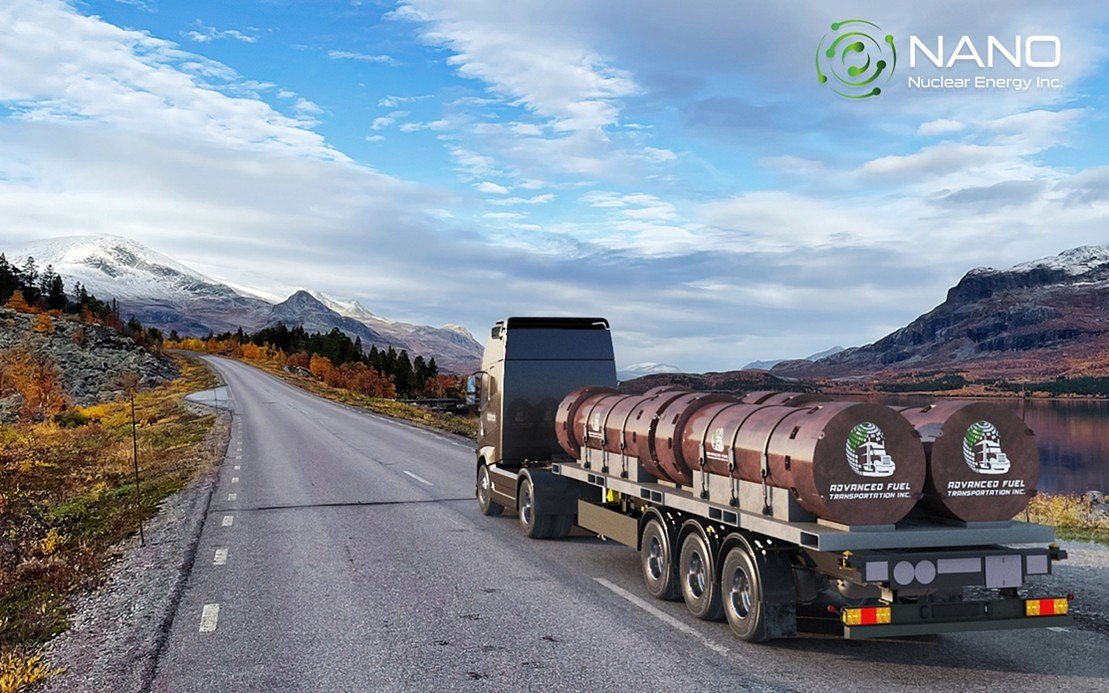
NEW YORK, NY – March 16, 2026 – NANO Nuclear Energy Inc. has announced a significant step forward in solving one of the most stubborn challenges facing the next generation of nuclear power: safely and efficiently transporting the specialized fuel required to run advanced reactors. The company revealed it has reached a conceptual design milestone for a proprietary transportation system for High-Assay Low-Enriched Uranium (HALEU), a project developed in collaboration with the German nuclear logistics giant GNS.
This development aims to address a critical logistical bottleneck that experts warn could slow the deployment of advanced microreactors and small modular reactors (SMRs), which are widely seen as essential tools for achieving future clean energy goals. While the announcement marks progress for NANO Nuclear’s ambitious vertical integration strategy, it also places the company into an increasingly competitive field of players racing to build out the nascent HALEU supply chain.
The Race to Move Next-Gen Fuel
The promise of advanced nuclear reactors—smaller, more efficient, and potentially safer designs—is heavily dependent on HALEU. This fuel is enriched to between 5% and 20% uranium-235, a significant step up from the less than 5% enrichment used in the current fleet of large-scale reactors. This higher enrichment allows for smaller reactor cores, longer operational cycles between refueling, and improved performance.
However, a robust domestic supply chain for HALEU does not yet exist. The U.S. Department of Energy (DOE) estimates that domestic demand could surpass 40 metric tons by 2030, yet commercial production and transportation infrastructure remain in their infancy. This gap forces developers to rely on limited government stockpiles or foreign suppliers, creating uncertainty that has chilled private investment.
“Reliable transportation infrastructure for HALEU fuel is widely recognized as one of the most critical enablers of the next generation of nuclear energy technologies,” NANO Nuclear stated in its announcement. This sentiment is echoed by industry analysts, who identify fuel transport as a pivotal link between future enrichment facilities and the reactors that will need the fuel. Without certified, high-capacity transport packages, the entire advanced nuclear ecosystem risks grinding to a halt.
NANO Nuclear's Proposed Solution
To break this impasse, NANO Nuclear, through its subsidiary Advanced Fuel Transportation, Inc., is developing a complete transport package. The system is centered on a proprietary nuclear fuel transportation basket design, for which the company holds an exclusive license from Battelle Energy Alliance, the operator of the Idaho National Laboratory (INL). This basket is designed to be housed within a robust overpack, or cask, engineered with technical support from Germany’s GNS Gesellschaft für Nuklear-Service mbH.
GNS brings over four decades of globally recognized expertise to the project, having developed the renowned CASTOR® casks used for transporting and storing spent nuclear fuel worldwide. The collaboration has already produced conceptual designs for two optimized payload baskets and a preliminary design for the overpack.
Crucially, the system is being designed for versatility. It aims to accommodate multiple forms of HALEU, including the uranium oxide, TRISO particle, and molten salt fuels that various advanced reactor developers plan to use. This broad compatibility could position the transport package as a go-to solution for a wide segment of the emerging market.
“Our collaboration with GNS has brought together world-class nuclear transportation expertise with NANO Nuclear’s proprietary fuel basket technology,” said Jay Yu, Founder and Chairman of NANO Nuclear. “Achieving this early design milestone represents an important step toward building the infrastructure needed to support the deployment of advanced reactors across the United States and globally.”
Navigating a Crowded and Regulated Path
While promising, the path from a conceptual design to a commercially operational transport system is long and complex. The entire development process is being conducted under a formal Nuclear Regulatory Commission (NRC) Quality Assurance program, a necessary step toward eventual certification. The company plans to formally engage with the NRC to pursue a Certificate of Compliance under regulation 10 CFR Part 71, which governs the transportation of radioactive materials.
This certification process is notoriously rigorous and time-consuming, often taking several years and costing millions of dollars. Packages must prove they can withstand a series of hypothetical accident conditions, including severe impacts, fires, and water immersion, without releasing radioactive material. The unique properties of HALEU, including higher radioactivity and heat generation compared to traditional fuel, introduce additional complexities that require enhanced safety and containment features.
Furthermore, NANO Nuclear is not the only company working to solve this problem. The competitive landscape has been heating up. In late 2024, NAC International received NRC approval for its Optimus-L package for transporting HALEU in TRISO fuel form. Just months later, in December 2025, the DOE awarded $11 million to five companies—including NAC International and Westinghouse—specifically to accelerate the design and licensing of HALEU transportation packages. NANO Nuclear is entering a crucial but increasingly crowded field.
A Piece of a Larger Puzzle
This transportation initiative is a cornerstone of NANO Nuclear's broader corporate vision. The company is pursuing an aggressive vertical integration strategy across five distinct business lines: microreactor development, fuel fabrication, fuel transportation, space applications, and consulting services. By aiming to control key segments of the supply chain, from its planned HALEU fuel fabrication pipeline to its flagship “KRONOS” microreactor, the company seeks to de-risk its operations and create a self-contained nuclear ecosystem.
This strategy is ambitious and capital-intensive, but the company has been actively fundraising to support it, reporting a cash position of approximately $580 million following a private placement in late 2025. By developing its own transport solution, NANO Nuclear not only supports its own future reactors but also creates a potential revenue stream by servicing the broader advanced reactor market.
Successfully fielding a certified HALEU transportation system would be a significant achievement, helping to unlock a key logistical barrier for the entire industry. As advanced reactors move from blueprints to reality, the ability to safely, securely, and reliably move their fuel will be paramount to fulfilling the promise of a new era in nuclear energy.
Topics & Related
Regulation & Compliance
Private Placement
Revenue
Private Equity
Related Company Pulse