
- Price: $199.99
- Effectiveness: Up to 90% reduction in mosquito activity
- Coverage: Protects an area of up to one acre
Experts would likely conclude that the Mosqitter Mini offers a scientifically-backed, eco-friendly alternative to traditional mosquito control methods, with proven effectiveness in both commercial and residential settings.
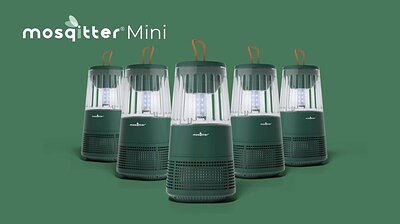
Mosqitter Mini: Pro-Grade, Eco-Friendly Mosquito Tech Hits Homes
NEW YORK, NY – December 17, 2025 – A new weapon in the age-old battle against mosquitoes has arrived in American homes, promising high-tech effectiveness without the chemical fallout. Mosqitter, a female-founded climate-tech company, has officially launched its Mosqitter® Mini device on Amazon, marking its first major foray into the U.S. consumer market. The product, priced at $199.99, brings technology previously reserved for large-scale commercial venues directly to residential backyards and patios.
The launch represents a significant pivot for the company, which has spent eight years developing and deploying professional-grade systems for hotels, resorts, and even high-profile international events. Now, it aims to disrupt the household pest control market by offering families a silent, chemical-free alternative to traditional sprays, foggers, and zappers.
"At Mosqitter, we believe protecting your family from mosquitoes should never come at the cost of your health or the environment," said Anastasiia Romanova, CEO & Co-Founder of Mosqitter, in a press release. "After years of scientific research and field testing across multiple climates, we are proud to finally make our technology available to every home through Amazon."
From Resorts to Residences
Before targeting suburban patios, Mosqitter’s technology was proving its mettle in demanding commercial environments. The company's large-scale systems, like the Mosqitter Grand 3.0, have been installed at international hospitality venues, including a JW Marriott resort, to protect guests across sprawling properties. Most notably, the technology was deployed to safeguard world leaders during the G20 Summit in India in 2023, a testament to its perceived reliability and effectiveness in critical situations.
The Mosqitter Mini is a direct descendant of this professional-grade lineage. It has been engineered to offer similar principles of operation but in a smaller, more consumer-friendly package. This transition from a business-to-business (B2B) model to a direct-to-consumer (B2C) strategy is a calculated move to capitalize on a growing public appetite for sustainable and health-conscious home solutions. By leveraging Amazon's vast distribution network, the company can bypass traditional retail gatekeepers and reach a nationwide audience immediately.
This strategy mirrors a broader trend where advanced technologies, once accessible only to commercial clients with large budgets, are being scaled down and democratized for everyday household use. The challenge lies in retaining core effectiveness while simplifying operation and hitting a viable consumer price point.
The Science of a Smarter Trap
Unlike traditional bug zappers that indiscriminately kill insects or chemical repellents that can be harmful to beneficial pollinators and pets, Mosqitter Mini employs a targeted, multi-pronged strategy. The company calls it a "triple attraction technology," which leverages scientific understanding of mosquito behavior. The device uses a combination of heat, a soft UV light, and an optional scent cartridge to mimic the cues of a human host, luring female mosquitoes—the only ones that bite—to the device.
Once attracted, a silent fan draws the insects into a trapping net where they dehydrate and die. This method avoids the unsettling 'zapping' sound of electric traps and the dispersal of potentially harmful chemicals. The company claims the system is not only safe for people and pets but also for beneficial insects like bees and butterflies, which are not attracted to the specific combination of lures.
The development of this system was not an overnight process. It is the result of eight years of research and development in collaboration with entomologists and universities across North America, Europe, and Latin America. This scientific rigor has resulted in 24 global patents protecting the core technology.
According to company materials, the device can reduce mosquito activity by up to 90% and protect an area of up to one acre. The key to its effectiveness, Mosqitter emphasizes, is continuous, 24/7 operation over a period of four to six weeks. This allows the trap to not only capture adult mosquitoes but also to disrupt their breeding cycle in the vicinity, leading to a sustained reduction in the local population. This long-term approach contrasts sharply with the temporary relief offered by topical sprays or citronella candles.
A Mission-Driven Climate-Tech Venture
Behind the product launch is a compelling entrepreneurial story. Mosqitter was founded in 2018 by Ukrainian entrepreneurs and is now headquartered in Brooklyn, NY. As a female-led company in the competitive climate-tech space, it has garnered significant support from prominent accelerators and investors focused on impact and innovation.
The startup is a graduate of the prestigious Techstars accelerator program, which accepts only about 1% of applicants. It has also received crucial backing from the Google for Startups Ukraine Support Fund, which provided non-dilutive funding and mentorship. This support has been instrumental in enabling the company to navigate geopolitical challenges and scale its operations for the U.S. launch. With a total of $1.3 million raised from investors including Seeds of Bravery and Ben Franklin Technology Partners, Mosqitter has built a foundation of credibility and financial runway.
This backing underscores the venture's alignment with two powerful narratives: fostering technological innovation from emerging entrepreneurial ecosystems and addressing environmental and public health challenges. The company's mission to eliminate reliance on chemical insect control positions it firmly within the growing climate-tech sector, where innovators are seeking market-based solutions to ecological problems.
The Growing Market for Eco-Conscious Pest Control
The arrival of the Mosqitter Mini is timely. Consumer awareness regarding the environmental impact of pesticides and the potential health risks of chemicals like DEET has created a burgeoning market for non-toxic alternatives. Families with young children and pets are increasingly scrutinizing product labels and seeking out solutions that align with a healthier lifestyle.
The market is already populated with competitors, from simple sticky traps to other advanced systems like DynaTrap, which also uses a combination of UV light and a CO2-producing surface to attract insects. Mosqitter aims to differentiate itself with its patented technology, professional-grade heritage, and a strong focus on disrupting the mosquito breeding cycle for long-term relief.
For a product of this nature to be sold on Amazon's U.S. platform, it must comply with federal regulations, which often includes registration with the Environmental Protection Agency (EPA) for devices that claim to control pests. This regulatory framework provides a baseline of consumer protection. The Mosqitter Mini also introduces a novel hygiene feature with its disposable trapping nets, addressing a common complaint about the messiness of cleaning other insect traps.
With its $199.99 price tag, the Mosqitter Mini is positioned as a premium investment in home comfort and safety. The company is betting that consumers will be willing to pay for a durable, effective, and scientifically-backed solution that offers peace of mind alongside a mosquito-free yard.