
- 26 years: The time since Molson's original 'I AM CANADIAN' campaign launched
- $1,500 prize: The reward for winning the photo contest
- 3 cities: Toronto, Vancouver, and Montreal where cameras are hidden
Experts would likely conclude that Molson's campaign represents a strategic shift toward inclusive, user-generated branding that reflects Canada's diverse identity, though its success will depend on the authenticity of the collected narratives.
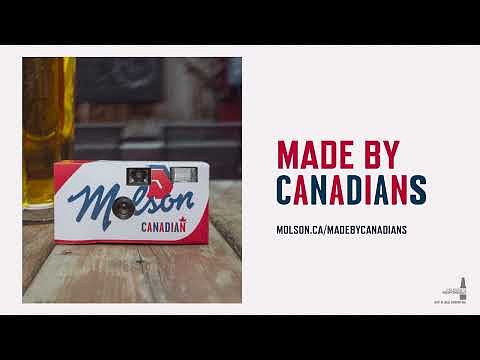
Molson's New Lens: Redefining 'I AM CANADIAN' One Photo at a Time
TORONTO, ON – May 12, 2026 – For decades, Molson has been synonymous with a certain brand of Canadian patriotism, famously defined 26 years ago by a flannel-clad man on a stage declaring, “I AM CANADIAN.” Today, Canada’s oldest brewery is stepping off that stage and handing the camera—quite literally—to the public. In a significant strategic pivot, the company has launched “Molson Made By Canadians,” a nationwide campaign that invites people to define their own Canadian identity through the nostalgic and unfiltered medium of a disposable camera.
Starting this week, the brewer is stashing single-use cameras in hidden locations across Toronto, Vancouver, and Montreal, while also offering them through an online contest. The mission is simple: find a camera, fill it with photos that capture your unique Canadian experience, and send it back. The reward is a chance to win $1,500 and have your snapshot become part of a new “national portrait” featured across the country for Canada Day and throughout the summer.
This move marks a deliberate departure from the top-down brand messaging of the past, acknowledging that a single voice or stereotype can no longer capture the multifaceted identity of modern Canada.
From a Rant to a National Portrait
The original “I AM CANADIAN” campaign, launched in the late 1990s, became a cultural touchstone. It tapped into a national sentiment of pride and distinction, solidifying Molson’s image as a quintessentially Canadian brand. The monologue, delivered by actor Jeff Douglas as “Joe Canadian,” was a defiant celebration of Canadian stereotypes, from speaking both official languages to embracing the toque. It was a powerful, defining statement for its time.
Now, 26 years later, Molson is consciously evolving that legacy. The “Made By Canadians” initiative replaces the singular declaration with a mosaic of perspectives. Instead of telling Canadians who they are, the brand is asking them to show it.
“After having a front row seat to the Canadian experience for over two centuries, Molson knows that the most authentic definition of being Canadian isn't found in a boardroom, a weathered stereotype or celebrity spokesperson,” said Eric Kouri, Marketing Director for Molson, in a press release. “This year, Molson isn't just celebrating Canada Day, we're giving Canadians the chance to redefine a national rally cry we started 26 years ago, by celebrating the unique stories of the people who make this country home.”
The campaign effectively trades a monologue for a dialogue, leveraging the brand’s historical connection to national identity to facilitate a new, more inclusive conversation.
The Analog Allure in a Digital World
In an era dominated by smartphone cameras and curated social media feeds, Molson’s choice of disposable cameras is a masterstroke of nostalgia marketing. The physical, finite nature of a 27-exposure film roll encourages a more deliberate and thoughtful approach to photography. Each click of the shutter carries weight, transforming everyday moments into potentially significant artifacts. This analog approach fosters a sense of authenticity and serendipity that is often lost in the endless scroll of digital content.
This strategy sets Molson apart from competitors like Tim Hortons or Canadian Tire, whose national identity campaigns typically rely on polished digital videos and social media hashtags. By creating a tangible treasure hunt for physical cameras, Molson fosters a deeper level of engagement. It’s an experience, not just a post. The excitement of finding a hidden camera or receiving one by mail adds a layer of personal investment before a single photo is even taken. Early social media buzz indicates the public is responding positively to this retro charm, with users expressing excitement about the hunt and the novelty of using film again.
A More Inclusive 'I AM CANADIAN'?
Beyond its clever marketing mechanics, the campaign carries significant cultural implications. It represents a move away from the largely homogenous vision of Canadian identity presented by “Joe Canadian” toward a potentially more diverse and representative narrative. By crowdsourcing its imagery, Molson is opening the door for a portrait of Canada that reflects its multicultural reality—from urban cityscapes to remote landscapes, from new immigrants to Indigenous communities, and from milestone celebrations to quiet, everyday moments.
This initiative aligns with a broader trend in corporate strategy toward purpose-driven marketing and demonstrating a commitment to diversity and inclusion. Molson Coors, like many large corporations, has publicly stated its D&I goals, and this campaign serves as a visible, consumer-facing execution of those values. It positions the brand not as an arbiter of culture, but as a platform for it.
The critical question, however, is whether the final collage of images will genuinely reflect this diversity or if the selection process will still favor a brand-safe, conventional view of the country. The power to curate the final “national portrait” ultimately remains with Molson, but the public submission process is a definitive step toward a more inclusive representation.
Rights, Royalties, and Representation
While the campaign empowers Canadians to become creators, it’s also a sophisticated exercise in generating user-generated content (UGC). Participants who submit their photos are, according to the campaign’s terms and conditions, granting Molson a broad, royalty-free license to use their images for extensive marketing and promotional purposes. This is a standard practice for UGC campaigns, but it highlights the transactional nature behind the community-focused messaging. In exchange for a chance at a prize and national exposure, creators cede significant control over their intellectual property.
In compliance with Canadian privacy legislation like the Personal Information Protection and Electronic Documents Act (PIPEDA), Molson is required to obtain clear consent and be transparent about how personal information and submitted content will be used. By participating, individuals agree to let their photos, and potentially their likenesses, become part of Molson’s commercial narrative.
The campaign's success will be measured not only in engagement metrics but in the authenticity and breadth of the stories it collects. As Canadians across the country begin to fill their disposable cameras, the project becomes a real-time sociological experiment. The resulting collection of images, set to be unveiled this summer, promises to offer a candid and perhaps surprising answer to the question the brand itself once so boldly declared.