
- 455 patients enrolled in the PRECISE trial, the largest prospective study of robotic-assisted microsurgery in the U.S.
- 0.2mm vessels can be sutured with the Symani system, 20x smaller than human hand capabilities
- January 1, 2026: New AMA CPT® Category III code (1019T) for lymphovenous bypass surgery takes effect
Experts view MMI's Symani Surgical System as a transformative advancement in microsurgery, with strong potential to improve outcomes in complex procedures and expand treatment options for conditions like lymphedema and Alzheimer's disease.
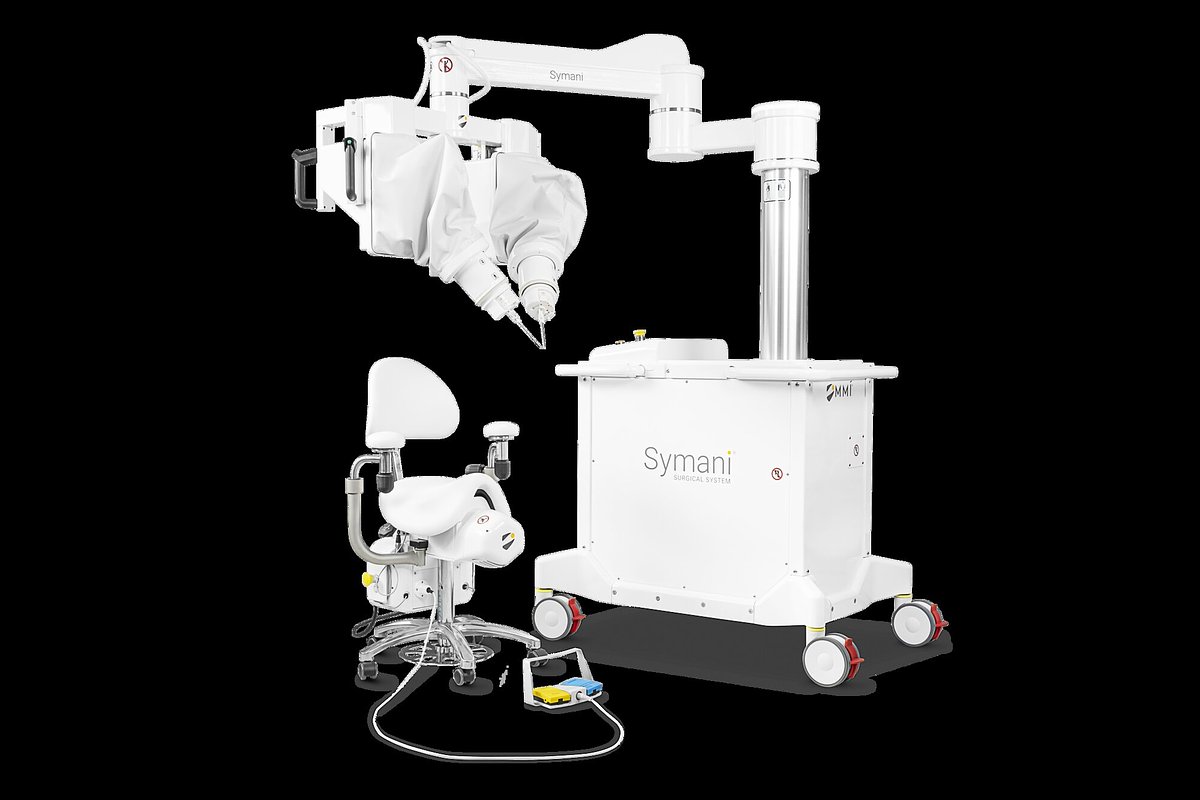
MMI's Micro-Robots Chart New Frontiers in Surgery and Patient Hope
JACKSONVILLE, Fla. – January 06, 2026 – As global healthcare leaders and investors converge on San Francisco for the 44th Annual J.P. Morgan Healthcare Conference, one private company, Medical Microinstruments, Inc. (MMI), is poised to capture significant attention. For the fourth consecutive year, MMI will present its progress, a testament to sustained investor interest in its pioneering work in robotic microsurgery. The company arrives on the heels of a landmark year, marked by major clinical trial initiations, key regulatory clearances, and a crucial reimbursement breakthrough that collectively signal a new era for complex surgical interventions.
At the heart of this momentum is the Symani® Surgical System, a robotic platform designed to push the boundaries of what is surgically possible. CEO Mark Toland is scheduled to detail the company's recent achievements, which are not just incremental updates but significant leaps forward in treating conditions once deemed exceptionally difficult or intractable.
Redefining the Limits of Surgical Precision
In a rapidly growing surgical robotics market dominated by giants focused on general surgery, MMI has carved out a critical niche: open soft tissue microsurgery and supermicrosurgery. The Symani system is not just another robot; it is a specialized tool designed for the most delicate procedures imaginable, where surgeons operate on vessels and nerves smaller than a millimeter in diameter.
The system's core innovation lies in its proprietary NanoWrist® instruments, which are the world's smallest wristed surgical instruments. These are combined with tremor-reducing and motion-scaling technologies that can translate a surgeon's hand movements into micro-movements scaled up to 20 times smaller. This allows surgeons to suture vessels as fine as 0.2mm with a level of precision and stability that can exceed the capabilities of the human hand alone.
This technology is transformative for procedures like microvascular repair, often required in complex reconstructive surgeries after cancer removal or trauma, and lymphatic repair, a treatment for the debilitating condition of lymphedema. By enhancing the surgeon's ability to perform these intricate tasks, the Symani system aims to improve patient outcomes, reduce procedure times, and expand the pool of surgeons who can successfully perform these demanding operations.
Clinical Breakthroughs Pave Way for Broader Use
MMI's technological promise is now being rigorously tested and validated in major U.S. clinical trials. In 2025, the company initiated the PRECISE trial, the largest prospective, multi-center study of its kind for robotic-assisted microsurgery in the country. The trial, which began enrolling patients in October, will involve up to 455 individuals across leading U.S. cancer centers. Its goal is to formally evaluate the safety and effectiveness of the Symani system in free tissue transfer and lymphatic surgical repair, gathering critical data on outcomes like blood vessel patency, limb volume reduction, and patient quality of life.
Alongside this landmark study, MMI also secured FDA clearance for its new robotic microsurgical dissection instruments, expanding the system's capabilities and further streamlining complex procedures. These clinical and regulatory milestones are essential steps in demonstrating the platform's value to surgeons, hospitals, and regulatory bodies, laying the groundwork for wider adoption.
A New Surgical Frontier: Tackling Alzheimer's Disease
Perhaps the most groundbreaking development is MMI's venture into neurosurgery, specifically exploring a novel treatment for Alzheimer's disease. The company received Investigational Device Exemption (IDE) approval from the FDA in November 2025 to begin the REMIND study, a feasibility trial evaluating a robotic surgical intervention for patients with mild to moderate Alzheimer's.
This pioneering approach is rooted in recent discoveries about the brain's lymphatic drainage network, known as the glymphatic system. This system is vital for clearing metabolic waste, including the amyloid-beta and tau proteins that form toxic plaques and tangles in the brains of Alzheimer's patients. Growing evidence suggests that dysfunction or blockage in this drainage pathway, particularly in the deep cervical lymph nodes in the neck, contributes to the disease's progression.
The REMIND study will test the hypothesis that surgically bypassing these blockages can restore proper drainage and, in turn, slow the neurodegenerative process. The procedure involves creating a lymphovenous anastomosis—connecting tiny lymphatic vessels to nearby veins—a task that requires the supermicrosurgical precision uniquely offered by the Symani system. This marks a paradigm shift, exploring a mechanical, surgical solution for a disease traditionally addressed only with pharmaceutical interventions. While still in its early stages, the trial represents a profound source of new hope and a bold new direction in the fight against neurodegenerative disorders.
From Innovation to Integration: Securing Market Access
For any medical technology to have a real-world impact, it must be accessible. Recognizing this, MMI achieved a critical commercial milestone in 2025 that promises to significantly broaden patient access to its procedures. The American Medical Association (AMA) issued a new Current Procedural Terminology (CPT®) Category III code, 1019T, specifically for lymphovenous bypass surgery, which will become effective on January 1, 2026.
Previously, hospitals had to bill for this complex procedure using generic, unlisted codes, creating administrative hurdles and unpredictable reimbursement. The new, specific code, which includes robotic assistance, streamlines this process. Furthermore, the Centers for Medicare & Medicaid Services (CMS) has already finalized a payment rate for the procedure in the outpatient setting.
This development is more than a bureaucratic step; it is a powerful validation of lymphatic surgery's clinical importance and a crucial enabler of market adoption. By creating a clear pathway for reimbursement, the new code incentivizes hospitals to invest in the technology and offer these advanced treatments to the millions of patients suffering from chronic lymphedema. This commercial success, coupled with its clinical advancements, solidifies MMI's position not just as an innovator, but as a strategic player poised for significant growth and impact on patient care. The consistent presence at the J.P. Morgan conference is a clear signal that the investment community is taking notice of this comprehensive strategy.