
- Cold-Climate Performance: Operates effectively at temperatures as low as -22°F, maintaining 100% heating capacity at 5°F.
- Efficiency: Delivers 3-4 units of heat per unit of electricity consumed.
- Market Growth: Global air-to-water heat pump market valued at over $3.6 billion in 2022, with a projected CAGR of over 10%.
Experts view Mitsubishi Electric's Ecodan as a game-changer in cold-climate heating, offering a sustainable, high-efficiency alternative to traditional boilers with proven performance in extreme temperatures.
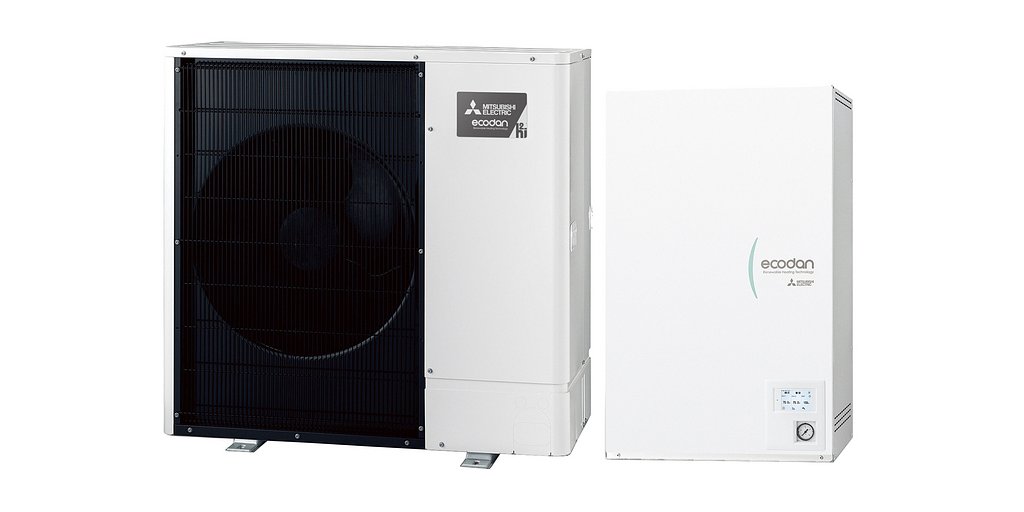
Mitsubishi Ecodan Targets Boilers in Cold-Climate Heating Revolution
SUWANEE, GA – March 19, 2026 – Mitsubishi Electric Trane HVAC US (METUS) today unveiled its ecodan® single-phase air-to-water (ATW) heat pump line, a significant new entry in the push to decarbonize home heating. The all-electric system is engineered to provide hydronic heating, cooling, and domestic hot water, positioning itself as a direct, high-performance replacement for the fossil fuel-burning boilers common in many American homes, especially in colder regions.
A New Era for Hydronic Heating
At its core, the ecodan system represents a fundamental shift in how homes with radiators or underfloor heating can achieve year-round comfort. Instead of burning oil, propane, or natural gas, the air-to-water heat pump extracts thermal energy from the outside air—even when it's cold—and uses it to heat water. This water is then circulated through the home's existing hydronic distribution system.
“Traditional hydronic systems in homes use oil, propane, or natural gas,” said Brinnon Williams, Vice President of Residential Business at METUS, in a statement. “Mitsubishi Electric’s ecodan® ATW heat pumps use electricity instead, making them perfect for homeowners embracing more sustainable options for heating and cooling their homes and for DHW uses.”
The product line launches with three outdoor unit capacities—two, three, and four tons—designed to serve a range of residential or light commercial applications. These units are paired with an indoor Hydrobox, an all-in-one component that integrates key water circuit elements like pumps, an expansion vessel, and a plate heat exchanger. This integrated design is a crucial feature aimed at simplifying what can often be a complex installation process, a nod to the HVAC contractors who will be installing the systems. By using refrigerant piping between the outdoor and indoor units, ecodan also eliminates the need for glycol in most applications, a substance often required to prevent freezing in water lines but which can be messy and add maintenance requirements.
Conquering the Cold Climate Challenge
Perhaps the most significant technological feature of the ecodan line is its robust performance in extreme cold, a long-standing barrier for heat pump adoption in northern states. The system incorporates Mitsubishi Electric’s proven Hyper-Heating INVERTER® (H2i®) technology, enabling the heat pumps to operate effectively in ambient temperatures as low as -22°F. Crucially, the company states the units can maintain 100% of their rated heating capacity at temperatures down to 5°F, a critical performance metric for ensuring comfort during deep winter freezes.
This cold-climate capability is not just a laboratory claim. Kim Bergeron, Chief Operating Officer of Bergeron Mechanical Systems, installed an ecodan system in his own home to replace gas-fired boilers and reported impressive results. “There’s a significant reduction in our energy usage, and the comfort level is unmatched,” Bergeron stated. “Our home never deviated from temperature, even when it hit -10°F outside.”
This real-world validation addresses a key consumer concern and positions the ecodan as a viable, year-round solution, not just a supplemental system. With a maximum flow temperature of 158°F, the system is capable of working with a variety of hydronic emitters, from modern, low-temperature radiant floors to older, high-temperature cast-iron radiators, offering flexibility for retrofits.
Driving Adoption Through Incentives and Design
The launch of ecodan is timed perfectly to capitalize on a wave of government support and a burgeoning market for sustainable home technologies. The global air-to-water heat pump market, valued at over $3.6 billion in 2022, is projected to expand at a compound annual growth rate of over 10%, driven by stringent energy regulations and consumer demand for efficiency.
In the United States, the Inflation Reduction Act (IRA) of 2022 provides powerful financial tailwinds. Homeowners installing high-efficiency heat pumps like ecodan may be eligible for the Energy Efficient Home Improvement Credit (25C), which offers a tax credit of 30% of the project cost, up to $2,000. Furthermore, the High-Efficiency Electric Home Rebate Program (HEEHRP) provides income-dependent, point-of-sale rebates that can cover up to $8,000 for a heat pump, significantly lowering the upfront cost barrier for many families. These federal incentives, often stackable with state and local utility rebates, are making the switch to all-electric heating more financially attractive than ever.
Beyond financial incentives, METUS is banking on thoughtful design to win over both homeowners and installers. The compact, discreet outdoor units are engineered for quiet operation, with an anti-vibration structure that can help achieve sound levels below 25 decibels in certain modes—quieter than a whisper. For installers, the all-in-one Hydrobox and an included quick setup guide are designed to streamline the installation process, while the support of the Mitsubishi Electric Diamond Contractor® program provides a network of trained and vetted professionals.
The Market Shift to Sustainable Home Comfort
The introduction of the single-phase ecodan system places Mitsubishi Electric in direct competition with other major HVAC players like Daikin, Bosch, and LG, all of whom are vying for a share of the rapidly growing North American heat pump market. The key differentiators for ecodan will likely be its proven cold-climate performance, the simplicity of its integrated Hydrobox, and the strength of the combined Mitsubishi Electric and Trane brand reputation.
For homeowners, the benefits extend beyond just sustainability. Air-to-water heat pumps are remarkably efficient, capable of delivering three to four units of heat for every one unit of electricity consumed. This high coefficient of performance (COP) translates directly into lower energy bills compared to traditional electric resistance heating or even high-efficiency fossil fuel boilers, especially as utility prices fluctuate.
By providing a single, integrated system for heating, cooling, and domestic hot water—with optional 60- or 85-gallon indirect water tanks available—the ecodan offers a streamlined, modern approach to whole-home comfort. As homeowners increasingly seek to reduce their carbon footprint, lower their energy costs, and future-proof their homes against a changing energy landscape, all-electric solutions like the ecodan are poised to move from a niche technology to a mainstream standard.
Topics & Related
Decarbonization
Clean Energy Transition
Financial Services
Related Company Pulse