
- $1 million in classroom supplies and gifts to be distributed to 1,000 Minnesota educators
- Average teacher spends $854 out of pocket on school supplies annually
- 99% of teachers report better class preparedness with adequate supplies
Experts agree that while initiatives like the 'Thanks a Million!' event provide critical short-term relief, they also highlight the urgent need for systemic public investment to address deepening funding inequities in education.
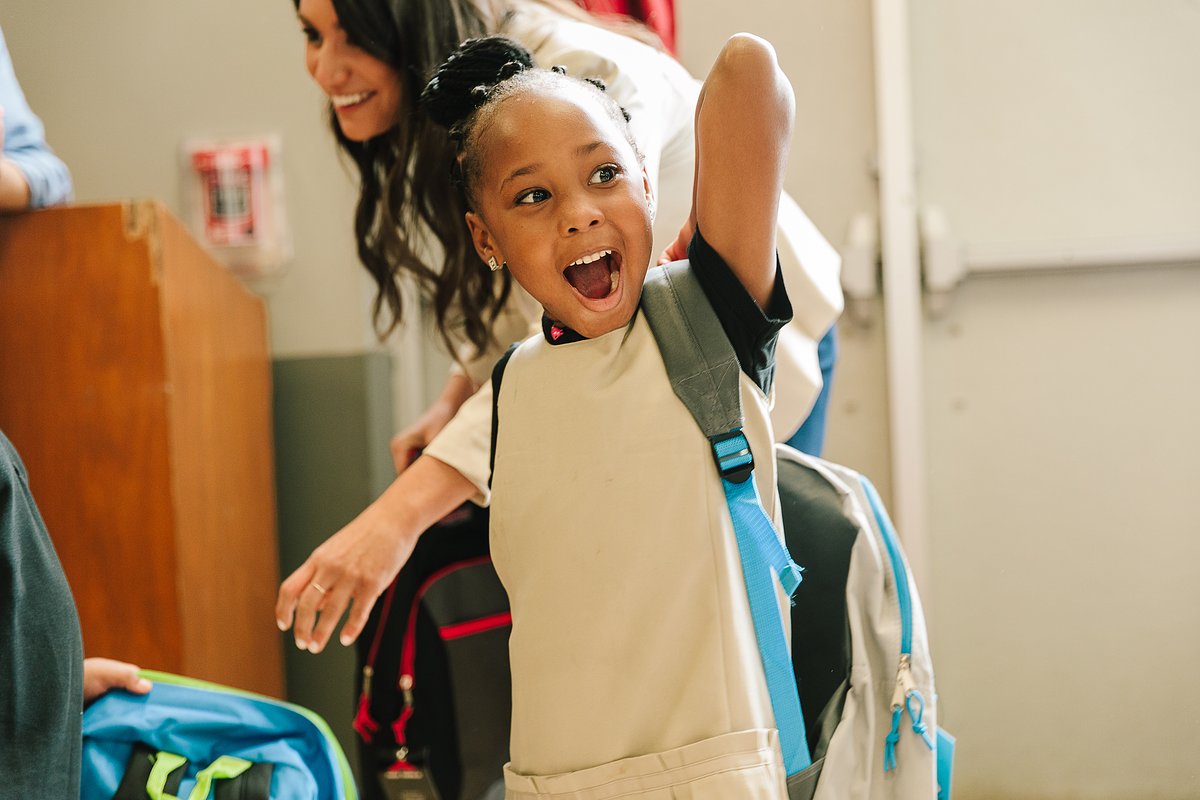
Minnesota Teachers Receive $1M Boost Amid Deepening School Funding Gaps
LITTLE CANADA, Minn. – April 22, 2026 – As National Teacher Appreciation Week approaches, a massive effort is underway to provide a tangible thank you to 1,000 Minnesota educators. On May 2, the Kids In Need Foundation (KINF) will host its “Thanks a Million!” event, distributing an unprecedented $1 million in classroom supplies and gifts to teachers from the state's most under-resourced schools.
At the event, held at KINF's headquarters, each teacher will walk away with approximately $1,000 in essential resources. This single-day initiative, one of the largest of its kind, shines a spotlight on the immense dedication of educators while simultaneously casting a long shadow on the growing resource crisis in public education.
The Unseen Costs of Teaching
The generosity of the “Thanks a Million!” event addresses a stark reality for educators nationwide: the increasing expectation that they will fund their own classrooms. Recent data reveals a troubling trend, with the average teacher spending an estimated $854 out of pocket on school supplies in the last year. For many, this figure climbs well over $1,000, as they purchase not only pencils and notebooks but also snacks, hygiene products, and specialized materials to create an engaging learning environment.
This financial burden is disproportionately carried by those working in underserved communities. Teachers in schools where 75% or more of students qualify for free or reduced-price lunch programs—the very schools KINF targets—often face the greatest need with the fewest resources. While a federal tax deduction allows educators to claim up to $300 for such expenses, it barely scratches the surface of their actual spending, leaving a significant gap that is filled by personal sacrifice.
Inflation has only exacerbated the problem, with the cost of basic items like tape, glue, and notebooks seeing price hikes of 30% or more. The result is a quiet crisis that contributes to teacher burnout and turnover, as educators are forced to choose between their students' needs and their own financial stability.
A Lifeline of Supplies and Support
For the 1,000 teachers attending the May 2 event, the infusion of resources is more than just a financial relief; it is a validation of their critical role. The event is a massive logistical undertaking, made possible by presenting sponsor Five Below, over 70 corporate partners, and more than 250 community volunteers.
“We're thrilled to welcome 1,000 local teachers to Thanks a Million! as a way to show our appreciation,” said Corey Gordon, CEO of Kids In Need Foundation. “Teachers have a profound impact on the lives of their students, helping shape their confidence, opportunities, and future potential. We're proud to support teachers from under-resourced schools, recognizing them for their contribution and providing them with the classroom supplies they need for the year ahead.”
The impact of such support is well-documented. According to KINF's internal studies, teachers report that having adequate supplies directly improves student outcomes, with 99% noting better class preparedness and 95% seeing a boost in student confidence. As one teacher previously supported by the foundation noted, having the right tools “puts all students on equal ground, reduces bullying, and boosts self-confidence, allowing students to focus on their work.”
The Power of Corporate-Community Partnership
This large-scale community event is anchored by a long-standing strategic partnership between KINF and Five Below. Now in its eighth year, the collaboration exemplifies a growing model of corporate social responsibility aimed at addressing systemic issues.
“Five Below helps provide backpacks for kids in need across the country and supports teachers who often spend their own money to create meaningful classroom experiences,” explained John Caruso, VP of Brand Marketing at Five Below. “Our brand is committed to fostering a fun, inspiring learning environment that helps unlock educational opportunities for every student.”
Since 2018, Five Below has helped KINF donate over two million backpacks and engages its customers directly in the cause. This partnership is part of a broader philanthropic strategy for the retailer, which has raised over $60 million for various youth-focused charities, including St. Jude Children's Research Hospital and Toys for Tots. This model demonstrates how corporate resources, when strategically deployed with non-profit expertise, can create significant, measurable impact.
A Symptom of a Larger Problem
While the “Thanks a Million!” event is a powerful display of community solidarity, it also underscores the deep and persistent funding inequities within Minnesota’s education system. Despite the state's K-12 funding being above the national average, a widening gap exists between wealthy and low-income school districts. This disparity forces underfunded schools to rely more heavily on local property taxes, perpetuating a cycle of inequality.
Research shows that Minnesota disproportionately underfunds the student populations most in need, including English Learners and students of color. This resource gap translates directly into an opportunity gap, creating unequal pathways to success. In this landscape, the work of organizations like KINF becomes not just beneficial but essential, filling voids left by public funding shortfalls.
The annual celebration of teachers, while a moment of joy and appreciation, serves as a poignant reminder of the ongoing struggle for educational equity. The million dollars in supplies distributed on May 2 will empower teachers and enrich classrooms, but the event's greatest impact may be in highlighting the urgent need for both private generosity and systemic public investment to ensure every student has the tools they need to succeed.