
- 602 units acquired: Milestone Group purchased two apartment communities totaling 602 units in Colorado and Idaho.
- 3% annual job growth: Fort Collins' nonfarm payrolls are projected to increase by over 3% annually.
- Below 5% vacancy rate: Fort Collins' rental vacancy rates tightened to below 5% by late 2025.
Experts would likely conclude that Milestone Group's acquisitions reflect strong institutional confidence in the Mountain West's economic and demographic growth, driven by job creation and domestic migration, though they also highlight the ongoing challenge of housing affordability in these rapidly expanding markets.
Milestone Group Bets Big on Colorado and Idaho Apartment Markets
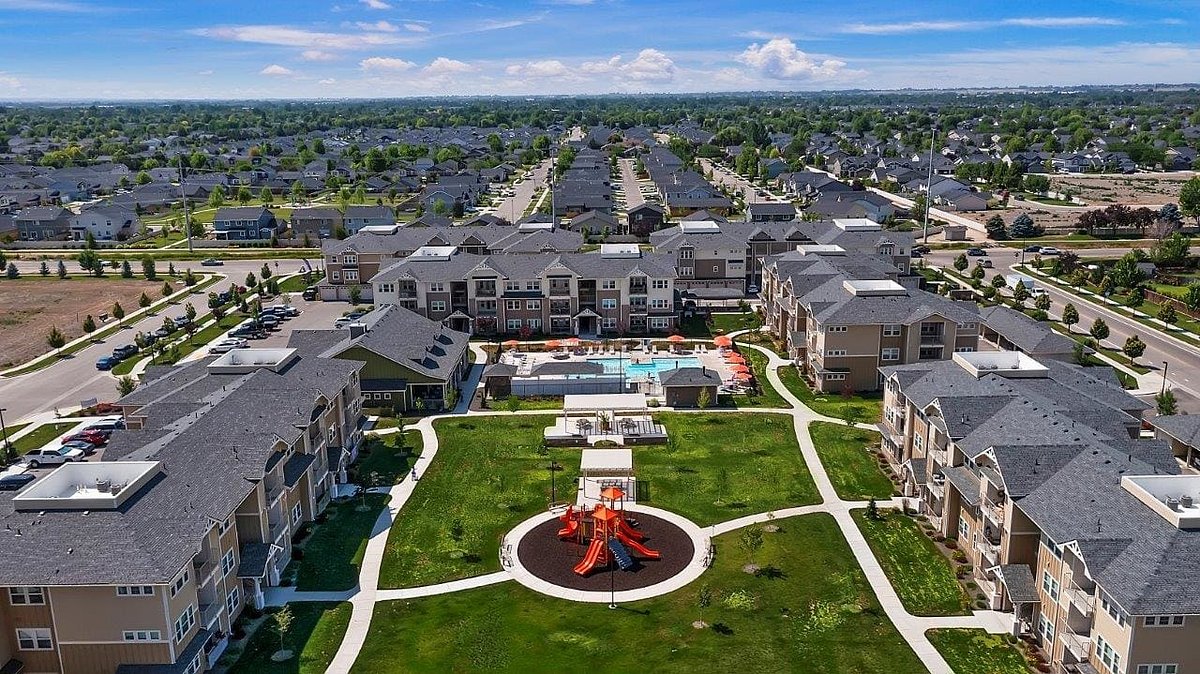
FORT COLLINS, Colo. and BOISE, Idaho – January 06, 2026 – In a powerful closing move for 2025, private real estate investment firm The Milestone Group has deepened its portfolio in the rapidly expanding Intermountain West, acquiring two major apartment communities totaling 602 units. The December acquisitions include the 322-unit Bucking Horse Apartments in Fort Collins, Colorado, and the 280-unit Prelude at Paramount in Meridian, Idaho, a fast-growing suburb of Boise.
While the purchase prices were not disclosed, the move signals strong institutional confidence in secondary markets that are experiencing significant economic and demographic growth. The firm's strategy targets regions benefiting from domestic migration and a surge in technology, medical, and educational employment, positioning them to capitalize on long-term demand in areas with high barriers to new construction.
The New Frontier of Real Estate Investment
The acquisitions are emblematic of a broader investment trend focusing on the Mountain West, a region increasingly seen as a new frontier for real estate capital. For years, investors have been drawn to the area's potent combination of job growth, population influx, and quality of life. The Milestone Group's recent activity underscores the durability of this trend, even amidst a complex national economic landscape.
"These acquisitions provide us portfolio exposure to two suburban markets experiencing strong demographic tailwinds fueled primarily by domestic migration and outsized job growth in tech, medical, and educational sectors," said Rich Ritter, Milestone's Vice President of Acquisitions. This sentiment reflects a market reality where cities like Fort Collins and Boise are no longer just scenic stops but are becoming vital economic hubs.
Research confirms this momentum. The Boise metro area, which includes Meridian, led the nation in annual population growth through much of 2025. Similarly, Fort Collins has seen robust job creation, with its nonfarm payrolls projected to increase by over 3% annually in the coming years. This growth is not speculative; it's anchored by concrete investments, including a future $15 billion Micron chip fabrication plant in Boise set to create over 15,000 jobs, and significant projects in Fort Collins like Marvel Fusion’s $150 million laser research facility and a massive 3.5 million square foot Amazon robotics facility.
A Tale of Two Booming Markets
Though part of the same regional boom, Fort Collins and Meridian present distinct but equally compelling investment cases. Each market demonstrates the core fundamentals that attract firms like Milestone: high demand and constrained supply.
In Fort Collins, the acquisition of Bucking Horse Apartments taps into a market characterized by what Ritter calls "strong fundamentals for growth, high barriers to entry, and 95% market occupancy with limited supply in the pipeline." Independent market data from late 2025 supports this, showing rental vacancy rates in the city tightening to below 5%. Furthermore, the pipeline for new apartments is shrinking dramatically, with fewer than 200 new units projected for 2026. This supply crunch is expected to drive rent growth in the coming years. Bucking Horse itself is a unique asset, a garden-style community built to high standards and surrounded by single-family homes averaging $800,000, offering a desirable lifestyle in a walkable, master-planned community.
Meanwhile, Prelude at Paramount in Meridian is a foothold in one of the region's most dynamic growth corridors. Meridian's population has swelled by over 20% since 2020. The Boise metro's unemployment rate hovered around a low 3.5% in late 2025, while median household incomes continued to climb. The key to this acquisition, according to Milestone, was securing the 2018-vintage property at a price "well below replacement cost." In an environment of soaring construction costs and tighter financing that has slashed new apartment starts by over 60% from their recent peak, buying an existing modern asset for less than it would cost to build new provides a significant competitive advantage and a buffer against market volatility.
The Value-Add Playbook and Its Local Impact
The strategic acquisition price for Prelude at Paramount is the foundation for Milestone's core business model: value enhancement. As a firm specializing in value-add multifamily assets, its playbook typically involves investing additional capital into properties to increase their appeal and, consequently, their revenue.
This "value-enhancement business plan" can include a range of improvements, from renovating unit interiors with modern kitchens and bathrooms to upgrading common area amenities like fitness centers and clubhouses. For residents, these upgrades can mean an improved living experience with more modern features. For the investor, the goal is to reposition the property to command higher rents, capturing what Milestone calls "long-term demand and appreciation."
However, this strategy operates within communities already grappling with the pressures of growth. In markets like Fort Collins and Meridian, rapid in-migration and job creation have already strained housing availability and affordability. In Fort Collins, for instance, reports indicate that nearly 60% of renters are considered cost-burdened, meaning they spend a significant portion of their income on housing. The implementation of value-add strategies, which almost invariably leads to rent increases, can exacerbate this pressure, potentially displacing existing residents who may be unable to afford the newly renovated units.
As institutional capital continues to identify and invest in the strong fundamentals of the Mountain West, the acquisitions by The Milestone Group highlight a pivotal dynamic. They represent a sophisticated, data-driven approach to capturing growth in the nation's most promising secondary markets. At the same time, they bring to the forefront the ongoing tension between a city's economic expansion and the preservation of housing affordability for the very workforce that fuels its success.