
- 1,000-hectare site secured in Pilbara for Australia's first industrial-scale modular clean steel smelter
- 1Mtpa (one-million-tonne-per-annum) initial production capacity
- US$400 per tonne potential added value through onshore processing
Experts view Metal Logic's modular, efficiency-driven approach as a promising innovation in green steel production, with the potential to disrupt traditional steelmaking by processing lower-grade iron ore at lower costs and emissions without relying on subsidies.
Metal Logic to Forge Green Steel Future in Pilbara with Modular Tech
MELBOURNE, Australia – March 13, 2026 – In a move poised to reshape Australia’s resources landscape, low-carbon steel developer Metal Logic has secured a 1,000-hectare site in the heart of Western Australia's Pilbara region. The acquisition paves the way for the nation's first industrial-scale modular clean steel smelter, a project that aims to transform low-grade iron ore into high-value steel right at the source, challenging the country's long-standing 'dig and ship' economic model.
The sprawling tenement, strategically positioned within 20 kilometres of critical rail infrastructure, will host an initial one-million-tonne-per-annum (1Mtpa) facility. This marks a pivotal transition for the Australian-invented technology, moving from research and development to a commercial deployment that promises not only lower emissions but also lower costs than traditional steelmaking.
A New Blueprint for Steelmaking
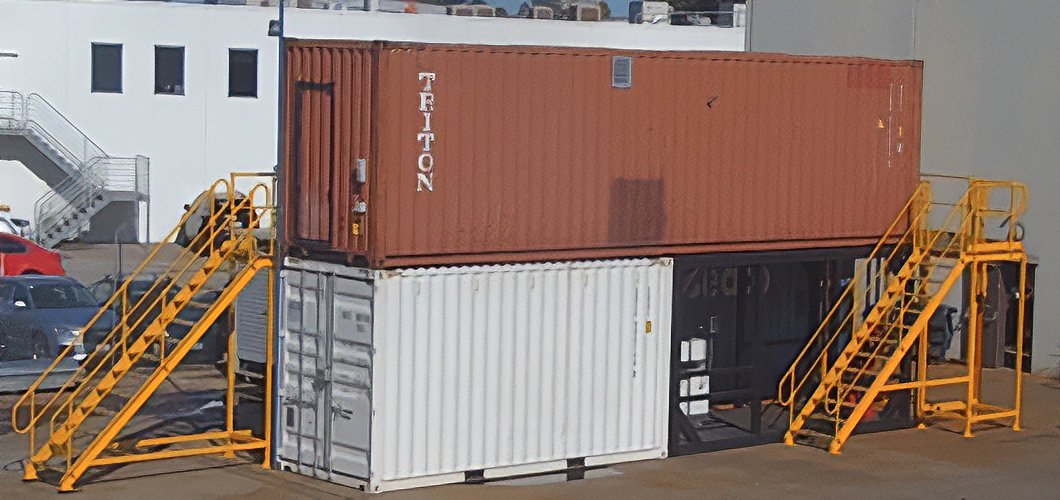
At the core of Metal Logic's strategy is a fundamental rethink of the smelting process. Instead of building a single, monolithic plant, the company has developed a 'smelting as a service' model based on scalable, container-sized modular units. These units are manufactured and tested at a dedicated facility in Victoria before being shipped to site for rapid deployment. This approach significantly reduces on-site construction risk and capital expenditure, allowing for a phased and flexible rollout.
"This agreement marks a critical milestone in our journey from technology development to industrial deployment," said Metal Logic Managing Director Joel Nicholls. "We have secured a strategic piece of land in the heart of the Pilbara to build Australia's first modular clean steel smelting hub."
The company asserts that its key innovation lies in achieving superior thermodynamic efficiency. This focus, according to Nicholls, has delivered what many thought was impossible. "A smelting process that is simultaneously lower-cost and lower-emission than conventional steelmaking. We don't need to rely on subsidies or carbon border adjustment mechanisms to make this work - the thermodynamic efficiency does the heavy lifting."
Crucially, the technology is 'grade-agnostic,' meaning it can economically process lower-grade iron ores that are often discarded or left in the ground. This capability could unlock billions of dollars in stranded resources, extend the life of existing mines, and make previously unviable deposits profitable. It stands in contrast to many other green steel initiatives globally, which often require high-grade magnetite and massive investments in green hydrogen infrastructure. While competitors like Fortescue pursue hydrogen-based Direct Reduced Iron (DRI) and others like Green Steel of Western Australia (GSWA) focus on Electric Arc Furnaces (EAFs) for recycling scrap, Metal Logic's process targets the ore itself, aiming to add up to US$400 in value per tonne processed onshore.
Tapping into a Green Gold Rush
Metal Logic enters a fiercely competitive but rapidly expanding market. The push for green steel is backed by immense political and financial will. The Western Australian government's 'Made in WA' policy and its WA Industry Participation Strategy (WAIPS) Addendum for steel create a powerful incentive, with strong expectations for local sourcing on major state projects. This provides a ready-made market for Metal Logic's initial product: rebar for the construction sector.
With the Australian government's Infrastructure Investment Program committing nearly AUD 100 billion over the next decade, the demand for construction materials like steel rebar is set to soar. The national market, valued at USD 1.39 billion in 2024, is projected to grow steadily, fueled by public infrastructure, renewable energy projects, and housing demands. This provides a significant domestic customer base for any new producer.
However, the company is not alone in its ambitions. GSWA is advancing a A$400 million green steel recycling mill in Collie, while Fortescue is developing its own 'pit to product' green iron plant in the Pilbara. A consortium including global giants POSCO and Marubeni is also proposing a major low-carbon steel plant in Port Hedland. Metal Logic’s modular, efficiency-driven model represents a distinct and agile strategy in a field of capital-intensive mega-projects.
Forging an Economic Transformation
The economic implications of this shift extend far beyond the Pilbara site. By processing ore into steel domestically, the project aligns with the federal government's 'Future Made in Australia' agenda, which champions sovereign manufacturing capability and value-adding in the resources sector. Projections suggest that a robust Australian green steel industry could add over $50 billion to the national GDP and create tens of thousands of regional manufacturing jobs.
Metal Logic's dual-state operational footprint—with module manufacturing in Victoria and smelting in Western Australia—spreads the economic benefits. Every module shipped from its Victorian facility represents a direct investment in Australian advanced manufacturing.
"Metal Logic is moving to industrial scale with a modular platform that can be manufactured in Australia and deployed anywhere iron ore is located," Nicholls stated. "Every module we ship creates Australian manufacturing jobs and retains value onshore that has historically been exported as raw ore."
Navigating the Path from Vision to Reality
While the vision is compelling, the path to production involves navigating significant regulatory and verification processes. Like any major industrial project, the Pilbara smelter will require comprehensive environmental approvals from bodies like the Environmental Protection Authority (EPA). The company’s 'lower-emission' claims will need to be substantiated through transparent carbon accounting and potentially third-party Life Cycle Assessments (LCA) to hold up against industry benchmarks.
However, the project benefits from unprecedented government tailwinds. Both the Western Australian and federal governments have established dedicated funding pools, such as the A$1 billion Green Iron Investment Fund and the National Reconstruction Fund, to de-risk and accelerate precisely this type of green industrial project.
"The Western Australian Government has opened the door for locally manufactured clean steel, and we intend to walk through it," Nicholls affirmed, highlighting the project's alignment with state objectives for job creation, tax revenue, and a diversified industrial base.
With the first modular smelter units scheduled for site deployment toward the end of the first half of 2026, the industry will be watching closely. If Metal Logic's scalable, efficiency-first approach proves successful, it could provide a powerful new template for industrializing resource-rich regions not just in Australia, but across the globe.