
- 33% fewer greenhouse gas emissions
- 59% lower ozone depletion potential
- 26% reduction in acidification and 34% reduction in eutrophication potential
Experts recognize MECART’s leadership in advancing environmental transparency and accountability in the cleanroom sector through rigorous third-party validation and adherence to international ISO standards.
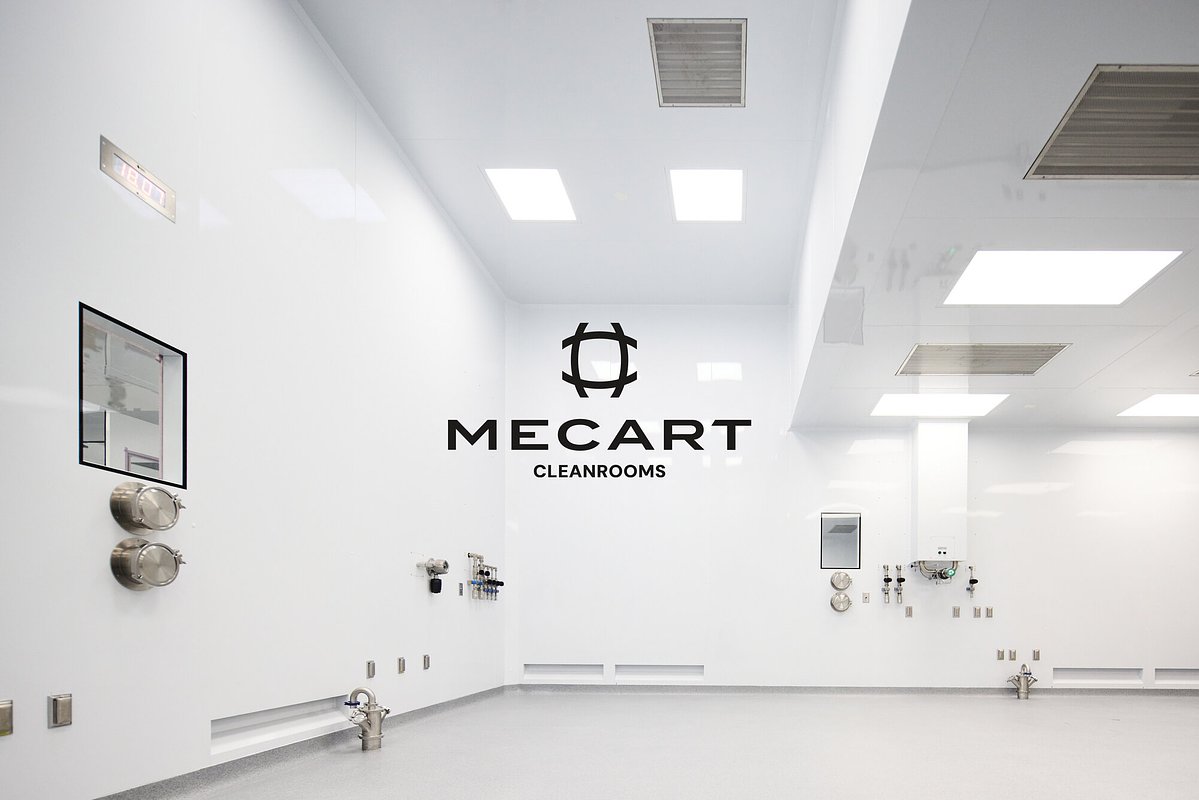
MECART Sets Green Benchmark with Verified Cleanroom Eco-Impact Data
NEW YORK, NY – April 22, 2026 – In a significant move for the high-tech manufacturing sector, MECART Corporation today released the results of a peer-reviewed study demonstrating its cleanroom systems possess a substantially lower environmental footprint than the North American industry average. The announcement, strategically timed for Earth Day and the opening of the INTERPHEX pharmaceutical and biotechnology trade show, provides quantifiable evidence to back sustainability claims in an industry where such data is rare.
The independent Life Cycle Assessment (LCA) reveals that MECART’s modular cleanrooms produce 33% fewer greenhouse gas emissions, exhibit 59% lower ozone depletion potential, and contribute to a 26% reduction in acidification and a 34% reduction in eutrophication potential compared to typical cleanroom systems.
Setting a New Standard for Environmental Transparency
In an industry where “sustainability” is an increasingly common but often vaguely defined marketing term, MECART’s decision to pursue a rigorous, third-party validation process marks a pivotal shift toward accountability. The study was conducted by independent specialist Groupe AGÉCO in compliance with the stringent ISO 14040-44 international standards, which govern the principles and requirements for conducting comprehensive LCAs. To ensure scientific validity, the assessment also underwent a critical review by a panel of external experts.
This level of scrutiny is uncommon in the cleanroom sector, a point highlighted by Groupe AGÉCO. “We recognize MECART for its leadership and for its clear commitment to advancing transparency and accountability in the environmental performance of its cleanroom products,” said Julie-Anne Chayer, Vice President of Corporate Responsibility Services at Groupe AGÉCO. “By aligning its impact measurement practices with the most rigorous international standards, MECART is contributing to the broader transformation toward a more sustainable and responsible industry.”
The ISO standards ensure a holistic “cradle-to-grave” analysis, evaluating environmental impacts across the entire product lifecycle—from raw material extraction and manufacturing to transportation, operational use, and end-of-life disposal or recycling. This comprehensive scope provides a complete picture of a product's environmental cost, moving beyond simplistic metrics like energy consumption alone.
The Growing Business Case for Sustainable Cleanrooms
While the environmental benefits are clear, the verified data also strengthens the economic and strategic case for adopting advanced modular cleanrooms. The pharmaceutical, biotechnology, and semiconductor industries, which rely heavily on these controlled environments, are facing mounting pressure from investors, regulators, and consumers to improve their environmental, social, and governance (ESG) performance.
As regulatory frameworks like the EU's Corporate Sustainability Reporting Directive (CSRD) mandate detailed environmental disclosures, having verifiable data becomes a competitive advantage. “While many manufacturers make broad sustainability claims, we’ve invested in rigorous third-party verification that our clients can trust,” stated MECART Vice President and General Manager Jerome Jobin. “The data speaks for itself; our design choices and manufacturing practices deliver measurable environmental benefits without compromising operational performance.”
For client companies, the benefits translate directly to the bottom line. Cleanrooms are notoriously energy-intensive, with HVAC systems running 24/7 to maintain strict air quality, temperature, and humidity levels. The superior thermal insulation and advanced engineering inherent in modern modular construction can lead to significant reductions in energy consumption and operational costs. Furthermore, a smaller environmental footprint enhances a company's brand reputation and can be a deciding factor in securing investments from an increasingly eco-conscious financial market. The global cleanroom technology market is projected to reach nearly $16 billion by 2035, with sustainability and digitalization identified as the primary trends driving future growth.
Pioneering Circularity in High-Tech Construction
Beyond operational efficiency, MECART is addressing a critical and often-overlooked phase of the product lifecycle: end-of-life. The company is highlighting its patented welded steel construction, which enables 100% of the metal in its cleanroom structures to be recycled. This commitment to circular economy principles stands in stark contrast to traditional “stick-built” construction methods, which are known for generating significant landfill waste.
Modular construction inherently reduces on-site waste by fabricating components in a controlled factory setting. By designing for disassembly, MECART ensures that its cleanrooms can be not only modified and relocated but also efficiently deconstructed for material recovery. This approach aligns with a circular model that minimizes waste, conserves virgin resources, and keeps materials in use for as long as possible.
This focus on material innovation and end-of-life responsibility is a crucial step for an industry building the infrastructure of the future. As manufacturing processes evolve, the ability to adapt, reconfigure, or recycle facilities without major environmental or financial penalties provides invaluable long-term flexibility.
A Look Inside the Future of Cleanroom Design
Attendees at the INTERPHEX event at New York's Javits Center have the opportunity to see these principles in practice. MECART is showcasing a full-scale modular cleanroom at its booth, allowing visitors to tour a system featuring a self-supporting steel structure, a fully walkable ceiling for easy maintenance access, and flush-integrated low-air returns for superior airflow management.
Alongside the physical model, an interactive virtual cleanroom demonstrates next-generation concepts in operational flexibility and scalability, allowing users to explore how modular designs can adapt to changing production needs. MECART experts are on hand to discuss the system’s verified environmental advantages and the practical implications of its recyclable steel construction, offering a tangible glimpse into a more sustainable future for high-tech manufacturing.