
- 6.7% improvement in flow-mediated dilation (FMD) score for the Avocado-Mango group, indicating healthier blood vessels.
- 1.9 mmHg decrease in central diastolic blood pressure for men in the Avocado-Mango group, compared to a 5 mmHg increase in the control group.
- 82 adults with prediabetes participated in the study, showing measurable cardiovascular benefits without changes in calorie intake or body weight.
Experts conclude that incorporating avocado and mango into the daily diet of prediabetics can significantly improve cardiovascular health, particularly blood vessel function and diastolic blood pressure, offering a simple, food-first strategy to mitigate heart disease risks.
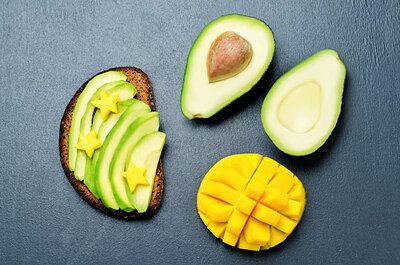
Mango and Avocado: A Daily Duo for Heart Health in Prediabetics?
ORLANDO, Fla. – February 24, 2026 – For the nearly 100 million Americans living with prediabetes, a new study offers a potentially sweet and creamy strategy for heart health. Research published in the Journal of the American Heart Association suggests that adding one avocado and a cup of mango to the daily diet can significantly improve key indicators of cardiovascular wellness in this at-risk population.
The eight-week study, conducted by researchers at the Illinois Institute of Technology, found that adults with prediabetes who followed this simple dietary addition saw notable improvements in blood vessel function and diastolic blood pressure. These findings point to a powerful "food-first" approach, suggesting that small, targeted dietary changes could play a meaningful role in mitigating the cardiovascular risks associated with prediabetes, a condition affecting one in three adults in the United States.
The Science Behind the Smoothie Bowl
To understand the impact of this fruit combination, researchers designed a carefully controlled study involving 82 adults aged 25 to 60, all of whom were overweight or obese and had been diagnosed with prediabetes. Participants were split into two groups. The intervention group, following an "Avocado-Mango" (AM) diet, added one medium Hass avocado and one cup of fresh mango to their daily meals. The control group consumed a diet with calorically-matched carbohydrate foods instead of the fruit duo.
The results were striking. The most significant outcome was related to endothelial function—the health of the lining of blood vessels. This was measured using flow-mediated dilation (FMD), a key indicator of how well blood vessels can relax and expand to allow blood to flow. Participants in the AM group saw their FMD score increase to 6.7%, a sign of healthier, more flexible arteries. In stark contrast, the control group experienced a decline in function, with their FMD score dropping to 4.6%.
Blood pressure also saw significant changes. While diastolic blood pressure (the bottom number in a reading, which indicates pressure in the arteries between heartbeats) improved across the AM group, the effect was particularly pronounced in men. Men on the AM diet saw their central diastolic blood pressure decrease by about 1.9 points (mmHg). Meanwhile, men in the control group saw an average increase of 5 points, creating a nearly 7-point difference between the two groups—a margin that can be clinically significant if maintained over time.
"This research reinforces the power of food-first strategies to help reduce cardiovascular disease risk, particularly in vulnerable populations like those with prediabetes," said Britt Burton-Freeman, PhD, the study's Principal Investigator and a Professor at Illinois Tech, in a statement. "It's an encouraging message: small, nutrient-dense additions—like incorporating avocado and mango into meals and snacks—may support heart health without the need for strict rules or major dietary overhauls."
Importantly, these benefits were achieved without any changes in overall calorie intake or body weight, isolating the effects to the nutritional properties of the fruits themselves. The AM group naturally increased their intake of fiber, vitamin C, and heart-healthy monounsaturated fats.
A Widespread Risk, A Simple Strategy?
The study’s focus on prediabetes is critical. The condition, characterized by blood sugar levels that are higher than normal but not yet in the diabetic range, is a major public health crisis. It significantly increases the risk not only of developing type 2 diabetes but also of suffering a heart attack, stroke, or other major cardiovascular event. The damage to blood vessels can begin long before a diabetes diagnosis is ever made.
This context elevates the potential importance of the study's findings. It presents a simple, non-pharmacological intervention that is accessible and palatable to millions. Rather than a complex dietary overhaul, the research suggests that the addition of specific nutrient-dense foods can create a positive ripple effect on cardiovascular health. The mango provides an excellent source of antioxidant vitamin C and fiber, while the avocado delivers a powerful dose of heart-healthy monounsaturated fats, potassium, and additional fiber. Together, their complementary profiles may create a synergistic effect that supports vascular health.
Following the Funding Trail
While the results are promising, a critical examination of any nutrition study requires looking at its funding. This research was supported by "unrestricted grants" from the National Mango Board and the Hass Avocado Board—industry groups whose mission is to promote the consumption of their respective fruits.
In scientific research, an "unrestricted grant" implies that the funders had no role in the study's design, data collection, interpretation, or the decision to publish. The study also underwent a rigorous peer-review process to be published in a reputable journal like the Journal of the American Heart Association. These are crucial safeguards for scientific integrity.
However, the broader context of industry-funded nutrition science warrants consideration. Research has shown that studies funded by food companies are statistically more likely to produce results favorable to the sponsor's products. This doesn't necessarily imply deliberate manipulation but can reflect subtler influences, such as the framing of research questions or a "publication bias," where studies with positive or significant findings are more likely to be submitted and published than those with null results. Consumers and health professionals are often left to navigate a landscape where science and marketing can become intertwined.
Beyond a Single Superfood Duo
So, is the mango-avocado combination a unique magic bullet for heart health? The study highlights a potent pairing, but it's important to place the findings within the larger body of nutritional science. Decades of research have championed dietary patterns rich in a variety of fruits, vegetables, and healthy fats for cardiovascular protection.
Well-established eating plans like the Mediterranean diet and the DASH (Dietary Approaches to Stop Hypertension) diet have been proven to lower blood pressure and reduce the risk of heart disease. These diets emphasize whole grains, legumes, a wide array of colorful produce, and healthy fats from sources like olive oil, nuts, and fish. Their benefits stem from the complex, synergistic interplay of thousands of nutrients and compounds found in a diverse, whole-foods diet.
The Illinois Tech study contributes a valuable piece to this puzzle by demonstrating a specific, measurable vascular benefit from a targeted and simple food-based intervention. For individuals struggling to adopt a complete dietary overhaul, the message that adding just two fruits can make a difference is both empowering and achievable. It reinforces the core principle that nutrient density matters, and that even small steps toward incorporating more whole plant foods can have a tangible impact on the body's most vital systems. The findings serve as a powerful reminder that the path to better health can be found in the produce aisle, one delicious choice at a time.