
- €1,200: Average spending per American tourist in Malta (2023).
- 47%: Surge in U.S. arrivals to Malta in the past year.
- €2 billion: Estimated value of aviation-supported tourism to Malta's economy.
Experts would likely conclude that while the new direct flight presents a significant economic opportunity for Malta, its long-term success hinges on balancing tourism growth with sustainable infrastructure and environmental preservation.
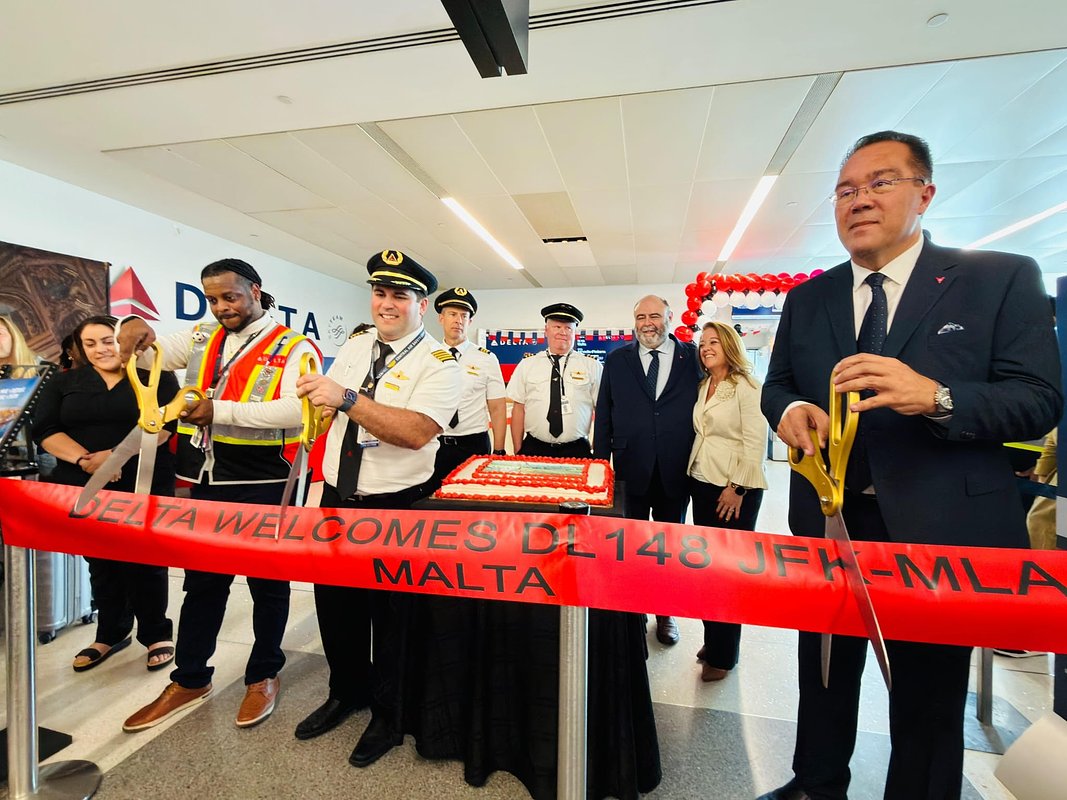
Malta's Direct Line: A New Flight's High-Stakes Bet on the US Market
NEW YORK, NY – June 08, 2026 – At John F. Kennedy International Airport yesterday, the buzz wasn't just the roar of jet engines. It was the sound of a strategic connection being forged. As Delta Air Lines flight DL148 pushed back from the gate, it wasn't just carrying passengers; it was carrying the weight of Malta's economic ambitions. The inaugural nonstop service to the Mediterranean archipelago represents far more than a new pin on an airline's route map. It’s a calculated deployment of aviation technology aimed at reshaping a nation's tourism industry, tapping a lucrative market, and testing the limits of sustainable growth.
The Billion-Euro Bridgework
For the Malta Tourism Authority (MTA), this flight is the culmination of a multi-year strategic offensive in North America. The numbers tell a compelling story. American tourists are, by a significant margin, the highest-spending visitors to the island nation, averaging over €1,200 per trip in 2023. With arrivals from the U.S. already surging by 47% last year, the new direct link is designed to be a powerful accelerant, potentially pushing visitor numbers from the current 65,000 toward a target of 100,000.
"This inaugural Delta flight is a landmark achievement for Malta and a defining moment in our tourism relationship with North America," said Carlo Micallef, CEO of the Malta Tourism Authority, moments before boarding the historic flight. He framed the new service as a tool for "bringing two nations closer together," but the underlying economics are undeniable. With tourism already contributing between 15% and 27% of Malta’s GDP, attracting more high-value, long-stay American visitors is a core pillar of the country's economic strategy. The flight effectively builds a €2 billion bridge—the approximate value of aviation-supported tourism to Malta's economy—directly to one of the world's most valuable travel markets.
This isn't just about adding volume. The MTA's strategy explicitly targets a shift away from seasonal, high-volume tourism towards a more stable, year-round model built on higher-yielding travelers. By eliminating the 4-to-7-hour layover previously required for the journey, Malta instantly becomes a more viable competitor against other European destinations for the coveted American vacationer.
A Calculated Gambit in the Transatlantic Chessboard
From Delta's perspective, the Malta route is a prime example of a shifting strategy among major carriers. The decision wasn't born in a vacuum; it was the result of a "Route Race" where the airline's own SkyMiles members helped vote for the next European destination. This data-driven approach, which also saw Sardinia added to the network, signals a move towards servicing niche, high-demand markets that were previously considered too small for nonstop service. It’s a precision strike in the highly competitive transatlantic market.
By being the first and only U.S. carrier to offer a direct connection, Delta secures a powerful competitive advantage. The airline is deploying its Boeing 767-300ER aircraft on the route, a workhorse of transatlantic travel configured with premium cabins. This indicates an expectation of attracting not just leisure travelers, but also the high-margin business and luxury segments.
This move reflects a broader industry trend: using the efficiency and range of modern aircraft to bypass congested hubs and connect travelers directly to unique destinations. It’s less about mass transit and more about curated connectivity. For Delta, the seasonal service, running through late October, serves as a real-world market test. Its performance will be closely watched, potentially paving the way for year-round service or similar routes to other underserved, high-potential European locales.
Unlocking the Archipelago
The most immediate impact of the new flight is the radical simplification of the travel experience. The journey to explore Malta’s 8,000 years of history is no longer a multi-leg odyssey. This newfound accessibility is a game-changer for the American traveler.
"The response from travel advisors, tour operators, media, and consumers has been overwhelmingly positive," noted Michelle Buttigieg, the MTA's North America Representative, at the JFK gate celebration. "This nonstop connection provides American travelers with a unique opportunity to have direct access to explore one of Europe's most diverse destinations."
To capitalize on this, Delta and Malta have launched the island's first-ever Delta Vacations program. This isn't just about selling a flight and a hotel; it's about selling a pre-packaged, curated experience. The program offers itineraries built around Malta's dense concentration of attractions: its three UNESCO World Heritage Sites, a burgeoning culinary scene with multiple MICHELIN-starred restaurants, historic palazzos converted into boutique hotels, and the crystal-clear waters surrounding the sister islands of Gozo and Comino. It’s an integrated approach designed to remove friction and guide American tourists toward the high-value experiences the country wants to promote.
The Sustainability Stress Test
While the economic optimism is palpable, the new flight also places Malta’s infrastructure and its commitment to sustainability under a microscope. The influx of high-spending tourists is a boon, but it also brings challenges. The island nation is already grappling with the pressures of tourism on its resources, from water and waste management to real estate and road congestion.
Malta's government is not blind to these risks. The country has a National Tourism Strategy for 2021-2030 and an ambitious 2050 Vision aimed at transforming the island into a leading sustainable destination. These plans prioritize year-round tourism to ease summer congestion, promote eco-certified accommodations, and invest in green initiatives. However, the success of the Delta flight will accelerate the need to turn these strategies into tangible realities.
Local and international observers are asking critical questions. Can the island's infrastructure truly handle the projected growth without compromising the quality of life for its residents? Can Malta successfully balance the pursuit of high-value tourism with the preservation of the very culture and environment that make it so attractive? This single flight path, while a triumph of logistics and marketing, initiates a crucial stress test of Malta's ability to grow without consuming itself. The world will be watching to see if this American gambit pays off, not just in dollars and cents, but in a truly sustainable future for the Mediterranean jewel.