
- 15–35% increase in sourcing volumes from Thailand's expanded network
- 53% of farmers in the new Thailand network are women
- Up to 50% reduction in methane emissions through regenerative practices
Experts would likely conclude that Lotus Foods' strategic expansion and commitment to regenerative agriculture demonstrate a proactive approach to supply chain resilience and sustainability, setting a benchmark for the food industry amid global uncertainties.
Lotus Foods Fortifies Rice Supply Chain Amid Global Uncertainty
By Carol Moore
RICHMOND, CA – April 23, 2026 – As global food systems grapple with climate instability and geopolitical disruptions, Lotus Foods has unveiled a strategic pivot designed to build resilience for the world’s most vital grain. The company’s 2025 Impact Report, released today, details not only significant progress in sustainable agriculture but also a major expansion of its sourcing operations into Thailand, a move aimed at securing its supply chain while deepening its commitment to farmers and the environment.
For a company that has spent nearly three decades promoting regenerative rice cultivation, the report marks a critical evolution. It highlights how the California-based B Corporation is proactively addressing the vulnerabilities that have rattled global markets, from trade embargoes to extreme weather events. By diversifying its sourcing and strengthening direct relationships with farming communities, Lotus Foods is creating a blueprint for how food brands can navigate an increasingly volatile world.
“At Lotus Foods, we’ve always believed business can be a force for positive change, creating well-being for farmers, consumers, and the planet,” said co-founders Caryl Levine and Ken Lee in a statement. “For over a billion families, rice is more than a staple—it’s culture, memory, and livelihood. This report reflects our commitment to improving how rice is grown to benefit everyone it touches.”
A Resilient Response to a Fragile Market
The decision to expand into Thailand is a direct response to recent global shocks. The global rice market, which feeds over half the world's population, has been shaken by events like India's 2023 export ban and climate-driven phenomena like El Niño, which have sent prices to 15-year highs. These disruptions underscore the fragility of relying on a limited number of sourcing regions.
Lotus Foods’ CEO Andrew Burke explained the strategic imperative. “In recent years, global disruptions—from COVID-19 to tariffs—underscored the need for greater resilience, which led us to build a new sourcing network to better insulate against volatility while strengthening direct farmer relationships,” he stated.
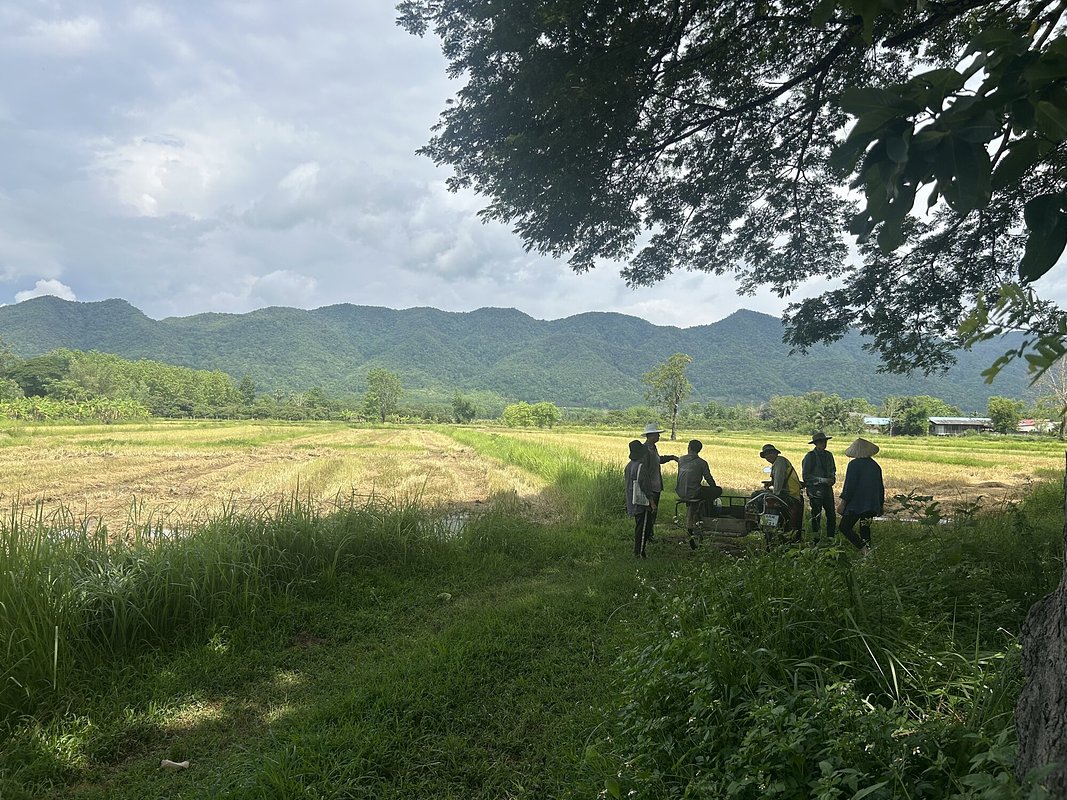
This new network in Thailand is substantial. The company is now partnering with nearly 3,000 farmers across nine provinces, cultivating over 20,715 acres of farmland. The expansion has increased sourcing volumes by 15–35% and, crucially, more than doubled direct-to-farmer traceability, providing unprecedented transparency from field to shelf. The move also empowers a significant number of women, who constitute 53% of the farmers in the new Thailand network.
This diversification doesn't just buffer against market shocks; it also spreads the company's impact model. “The best part is that we have been able to expand our approach to rice farming to new countries and new farming communities while maintaining — or even improving — quality,” Burke added.
Cultivating Climate Solutions from the Paddy Up
At the heart of Lotus Foods' mission is transforming the environmental footprint of rice, a crop that traditionally accounts for nearly a third of global agricultural freshwater use and is a major source of methane emissions. The 2025 report spotlights the company's continued championing of regenerative practices, primarily through its 'More Crop Per Drop®' initiative.
This initiative is based on the System of Rice Intensification (SRI), an agro-ecological methodology that changes how plants, soil, water, and nutrients are managed. Instead of continuously flooding paddies, SRI farmers use a fraction of the water, which dramatically reduces methane emissions—a greenhouse gas far more potent than carbon dioxide—by up to 50%. The method also uses up to 90% fewer seeds and fosters healthier, more extensive root systems, making the rice plants more resilient to drought and storms.
The report also highlights the promotion of traditional, nature-based solutions observed during visits to Thai farmers. One such practice is the use of azolla, a small aquatic fern that grows on the surface of rice paddies. Azolla acts as a natural biofertilizer by fixing nitrogen from the air, and its dense mat can suppress weeds and, according to research cited by the company, reduce methane emissions by up to 35% by altering the soil's chemistry.
Beyond the Farm: A Holistic Approach to Impact
Lotus Foods' sustainability efforts extend well beyond the farm gate. The report details measurable progress in packaging and logistics, demonstrating a holistic view of its environmental responsibility. The packaging for its popular Rice Ramen line—including Millet & Brown, Wide White, and Jade Pearl Rice™ Ramen—now incorporates 25% post-consumer recycled (PCR) material. This reduces reliance on virgin plastics and, according to the company, improves the product's human health impact by 35%.
In the warehouse and on the road, pallet optimization has increased shipping efficiency, cutting fuel use and associated greenhouse gas emissions by 13%. These incremental gains, when scaled across a global supply chain, contribute to a meaningful reduction in the company's overall carbon footprint.
Central to the company’s identity is its investment in people. The report notes that over $50,000 in Fair Trade premiums were distributed across three agricultural operations, directly supporting approximately 2,000 farmer families. These premiums are controlled by the farmers themselves, funding community-led projects ranging from new infrastructure to educational programs. By creating a reliable global market for unique heirloom varieties like Hom Mali and Forbidden® Rice, the company empowers farmers to preserve biodiversity and build economic independence.
Leading in a Conscious Consumer Market
Lotus Foods operates in a competitive landscape where sustainability is no longer a niche but a core consumer expectation. Its long-standing B Corp certification and detailed impact reporting place it alongside other industry leaders like Lundberg Family Farms, which focuses on regenerative organic practices in the U.S. While Lundberg has championed domestic sustainable rice, Lotus Foods’ strategy of international diversification and deep partnerships in Asia offers a different but complementary model for industry leadership.
As the company looks toward its 30th anniversary, its focus is on deepening its impact. Future priorities include expanding regenerative agriculture programs, strengthening data measurement to better quantify its environmental and social returns, and continuing to innovate in packaging. Notably, the company is already preparing for emerging U.S. Extended Producer Responsibility (EPR) laws by reporting its packaging material data, signaling a proactive stance on circular economy principles.
“The next phase of our work is about going deeper — strengthening relationships, improving systems, and creating lasting value across the entire supply chain,” concluded Burke. This commitment suggests that for Lotus Foods, building a resilient business and healing the planet are not separate goals, but two sides of the same coin.