
- $730 million: Projected global LED mask market value by 2032
- 630 nm & 830 nm: Clinically validated light wavelengths used in the masks
- €1 billion: L'Oréal's annual R&D investment
Experts view this partnership as a strategic move to democratize advanced skincare, leveraging L'Oréal's market reach and iSMART's clinical expertise to deliver professional-grade LED treatments at home.
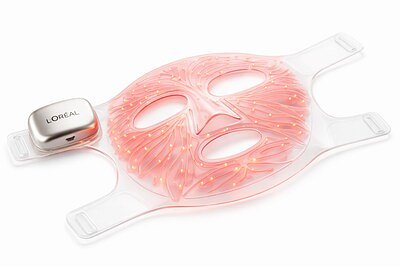
L'Oréal and iSMART Forge Alliance for At-Home LED Skincare
LONDON, UK – January 07, 2026 – Global beauty leader L'Oréal Groupe is making a significant push into the high-tech, at-home device market through a new strategic partnership with iSMART Developments Ltd, a UK-based innovator in medical-grade light therapy. The collaboration, announced this week, aims to bring professional-level skin treatments directly to consumers, beginning with a line of advanced LED masks.
The partnership’s debut products, showcased to acclaim at the CES 2026 technology conference, are an ultra-thin, flexible silicone LED Face Mask and a targeted LED Eye Mask. Developed jointly, these devices merge iSMART’s two decades of expertise in LED phototherapy engineering with L'Oréal's formidable scientific infrastructure and global market reach. This move is seen by industry analysts as a pivotal step in democratizing advanced skincare, potentially reshaping consumer beauty routines worldwide.
L'Oréal's Strategic Play in the Beauty Tech Arena
This alliance is far more than a one-off product launch; it is a calculated move within L'Oréal's overarching strategy to position itself as a dominant “Beauty Tech powerhouse.” The company has been steadily investing in what it terms “longevity science,” an area that fuses technology with skincare to deliver more effective, personalized, and data-driven solutions. By joining forces with iSMART, L'Oréal gains immediate access to a deep well of specialized knowledge in phototherapy, a field that requires rigorous regulatory and engineering proficiency.
This pattern of strategic collaboration is well-established for the beauty giant. In recent years, L'Oréal has acquired or invested in a portfolio of tech-forward companies, including ModiFace for augmented reality try-ons, Droplette for high-precision skincare delivery systems, and CodeAI for advanced analytics. The partnership with iSMART fits seamlessly into this blueprint, allowing L'Oréal to integrate clinically validated hardware into its ecosystem without the long lead times of developing it entirely in-house. For a company that invests over €1 billion annually in R&D, this collaboration signifies a targeted effort to lead the charge in the rapidly growing at-home device category.
“This partnership with L'Oréal Groupe represents a powerful validation of iSMART's technology, team and long-term vision,” said Sue D'Arcy, CEO and Founder of iSMART Developments, in a statement. “Working alongside a global leader like L'Oréal allows us to accelerate the impact of clinically engineered light-based solutions on an international stage.”
The Science Behind the Glow
At the core of the new devices is the precise application of light science, a cornerstone of modern dermatology. The L'Oréal and iSMART masks utilize two specific, well-researched wavelengths of light to target different layers of the skin and achieve distinct results. This focus on clinical precision is what separates these devices from less sophisticated gadgets.
The first wavelength is red light at 630 nanometers (nm). This light penetrates the upper layers of the skin to directly interact with fibroblasts, the cells responsible for producing collagen and elastin. Independent clinical studies have repeatedly shown that consistent exposure to 630 nm light can lead to a measurable increase in collagen density, resulting in firmer skin and a visible reduction in fine lines and wrinkles. It is a non-invasive method for encouraging the skin’s natural rejuvenation processes.
The second is near-infrared light at 830 nanometers (nm). This wavelength penetrates deeper into the skin’s tissue than red light. Its primary functions are to boost circulation and reduce inflammation, which can manifest as puffiness, particularly around the delicate eye area. Enhanced circulation also means more oxygen and nutrients are delivered to skin cells, supporting overall skin health and healing. The combination of these two wavelengths provides a comprehensive, multi-layered approach to skin rejuvenation, mirroring treatments previously available only in dermatology clinics.
A Crowded Market and the Push for Innovation
L'Oréal and iSMART are entering a dynamic and increasingly competitive market. The demand for at-home beauty devices has surged, fueled by a consumer desire for salon-quality results without the appointment. The global LED mask market alone is projected to exceed $730 million by 2032, reflecting a powerful trend toward preventative self-care and tech-infused wellness.
Established players like Omnilux, Dr. Dennis Gross, and CurrentBody have already carved out significant market share with their own FDA-cleared LED masks. These brands have educated consumers on the benefits of light therapy, creating a fertile ground for new entrants. To stand out, the L'Oréal-iSMART collaboration appears to be focusing on user experience and brand trust. The masks’ “ultra-thin, flexible silicone” design promises a more comfortable and portable experience than some of the rigid, cumbersome models currently on the market.
Furthermore, the backing of L'Oréal provides an unparalleled marketing and distribution advantage. The company's global presence and trusted name can bring a level of mainstream visibility and credibility to LED therapy that niche brands struggle to achieve. This could be the catalyst that moves LED masks from a cult beauty gadget to a staple in household skincare routines.
From CES to Consumer: The Path to Market
The new masks have already generated significant industry buzz, being honored as Innovation Award honorees at CES 2026. This early recognition underscores the product's technological novelty and market potential. L'Oréal has announced plans for a global launch in 2027, but the path from prototype to consumer shelf involves navigating a complex regulatory landscape.
In markets like the United States, devices making specific medical or therapeutic claims are subject to oversight from the Food and Drug Administration (FDA). The L'Oréal-iSMART masks will likely require clearance through the FDA’s 510(k) premarket notification process, which is designed to demonstrate that a new device is as safe and effective as a legally marketed predicate device. iSMART’s background as a medical device company with a reputation for regulatory leadership will be invaluable in this process.
This collaboration ultimately represents a convergence of industries: beauty, consumer electronics, and medical technology. It highlights a future where personal care is increasingly data-driven, scientifically validated, and seamlessly integrated into our daily lives. As these technologies become more accessible, the definition of a skincare routine is set to expand far beyond creams and serums, empowering consumers with clinical-grade tools in their own homes.