
- Logitech held a 21% global market share in video conferencing peripherals in the first half of 2024
- Smart Switching uses a 315-degree view camera with beamforming microphones
- The system intelligently switches between two camera angles to optimize remote participation
Experts agree that Logitech's Smart Switching technology represents a significant advancement in addressing meeting inequality, offering a more inclusive and engaging experience for remote participants through AI-driven camera intelligence.
Logitech’s AI Director Wins Award, Aims to End Meeting Inequality
LAUSANNE, Switzerland & SAN JOSE, Calif. – December 02, 2025 – Logitech, a long-standing titan in computer peripherals and collaboration hardware, has secured a prestigious spot on Inc.'s Best in Business 2025 list. The recognition, awarded in the 'Best AI Implementation' category, spotlights a technology designed to tackle one of the most persistent challenges of the modern hybrid workplace: the exclusion of remote employees. The winning innovation is Smart Switching, an AI-powered feature in its Logitech Sight tabletop camera that aims to finally give everyone an equal seat at the meeting table.
This award is more than a corporate accolade; it represents a significant validation of a strategy focused on using advanced artificial intelligence to solve human-centric problems. As companies continue to navigate the complexities of hybrid work, the struggle to maintain engagement and foster a sense of inclusion for off-site team members has become a critical business issue, impacting everything from productivity to employee retention. Logitech's solution suggests that the answer may lie not just in better software, but in smarter hardware that can intelligently bridge the physical and digital divide.
The AI Director in the Conference Room
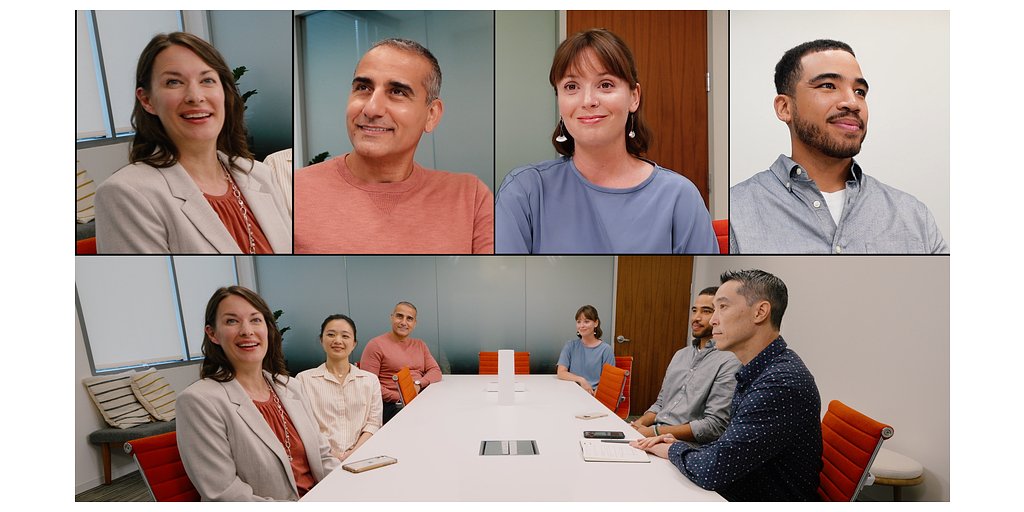
At the heart of the recognition is the sophisticated technology behind Smart Switching. It's designed to eliminate the static, disorienting "fly-on-the-wall" perspective that often leaves remote participants feeling like passive observers. Instead of a single, wide shot of the conference room, the system acts like a live movie director, intelligently cutting between the best possible camera angles to follow the natural flow of conversation.
The system works by pairing the tabletop Logitech Sight camera, which has a 315-degree view and beamforming microphones, with a front-of-room camera like the Logitech Rally Bar. Using what the company calls adaptive intelligence and its RightSight 2 technology, the AI processes data from both cameras simultaneously. It analyzes not just who is speaking, but also their head movements and where they are looking. When an in-room participant turns to address a colleague across the table, the system keeps the camera on them. But when they turn to address the remote attendees on the main screen, the AI intelligently switches to the front-of-room camera, giving remote viewers a direct, face-to-face perspective.
The result is a dynamic, professionally produced viewing experience. “Customers tell us their meetings now feel more like a news broadcast or talk show, with every participant given a virtual, equal front-row seat at the table,” said Henry Levak, VP of Product, Logitech for Business. This cinematic quality is not just for show; it’s a direct response to the cognitive load and disengagement that remote workers experience when trying to decipher who is speaking and follow conversations in a poorly framed video feed. By automating the visual narrative of the meeting, the technology allows all participants to focus on the content of the discussion, not the limitations of the medium.
A Strategic Play in a Crowded Market
Winning the 'Best AI Implementation' award is a significant strategic victory for Logitech in the fiercely competitive collaboration hardware market. While the company has long been a dominant force, particularly in the USB video conferencing peripheral segment where it held a commanding market share, the landscape is now crowded with formidable players all vying to define the future of the hybrid office.
Competitors like HP-owned Poly have been heavily promoting their Poly DirectorAI technology, which offers similar features like speaker tracking and group framing. Likewise, Microsoft has been pushing its "Intelligent Cameras" and "Multi-Stream IntelliFrame" standards, encouraging hardware partners—including Logitech—to build devices that can feed separate video streams of in-room participants into a Teams meeting. Google Meet also leverages AI for a host of in-meeting enhancements, from noise cancellation to adaptive lighting.
In this environment, the Inc. award provides crucial third-party validation that sets Logitech's implementation apart. It substantiates the company's claim of delivering a superior, more intuitive user experience. This distinction is critical as businesses decide where to invest their technology budgets. Rather than simply offering a collection of AI features, Logitech has packaged Smart Switching as a holistic solution to a specific, high-value problem: meeting equity. This focus reinforces its market leadership, which saw it capture 21% of global video conferencing peripheral volumes in the first half of 2024, and provides a compelling narrative for its continued growth.
Beyond Technology: Fostering Inclusion and Engagement
The true impact of an innovation like Smart Switching extends far beyond its technical specifications. Its ultimate goal is to reshape workplace culture by fostering a more inclusive and equitable environment for hybrid teams. The feeling of being "othered" is a common complaint among remote workers, who often miss out on the subtle, non-verbal cues and side conversations that build rapport and drive collaborative energy in person. This can lead to decreased psychological safety, making remote employees less likely to speak up, contribute ideas, and feel like valued members of the team.
Technologies that create a more immersive and equitable experience directly combat this trend. When remote participants can clearly see the faces of their colleagues and feel as though the conversation is being directed to them personally, the digital barrier begins to dissolve. This shift from a passive viewing experience to active participation is essential for effective collaboration. Industry leaders are increasingly recognizing that technology must serve the human need for connection. Solutions from across the market, whether from Poly, Microsoft, or Google, all share this common goal of making virtual interactions feel more natural and less taxing.
By providing every participant with a "front-row seat," Logitech's system helps level the playing field. It ensures that insights from remote team members are not lost simply because they aren't physically present. As organizations strive to build and maintain a cohesive culture across distributed teams, investing in tools that promote this sense of presence and belonging is no longer a luxury but a strategic necessity for long-term success and talent retention.
The Future of Collaboration Hardware
Logitech's award-winning AI points to a broader trend in the evolution of workplace technology: the rise of intelligent, software-enabled hardware ecosystems. The era of single-function devices is giving way to integrated systems that are aware of their environment and can adapt in real-time to enhance human interaction. The Smart Switching feature, requiring both the Sight and Rally Bar to function, exemplifies this shift toward a multi-device, system-level approach.
This trend is also driven by the need for platform flexibility. Logitech has ensured its advanced camera systems are fully compatible with major video conferencing platforms like Microsoft Teams, Zoom, and Google Meet. This platform-agnostic strategy is crucial for enterprises that use a mix of communication tools and want to ensure a consistent, high-quality experience regardless of the software being used. As AI becomes more deeply embedded in all aspects of work, from meeting summaries to automated task management, the hardware that captures the raw data of our interactions—our voices, faces, and gestures—will become increasingly sophisticated.
For Logitech, this award is a milestone that affirms its mission to "extend human potential." By continuing to innovate at the intersection of hardware, software, and artificial intelligence, the company is not just selling cameras and speakers; it's shaping the physical infrastructure of the modern digital workplace and setting a new standard for what it means to collaborate effectively in a hybrid world.