
- 100+ projects worldwide using Live Story’s platform, including luxury brands like Bottega Veneta and Dolce & Gabbana.
- 70% of new business applications projected to use no-code/low-code solutions by 2026.
- European DXP market expected to grow from $2.9B (2021) to $8B by 2030 (12.4% CAGR).
Experts would likely conclude that Live Story’s no-code platform addresses critical agility gaps in digital frontend development, positioning it as a strategic tool for brands navigating AI-driven market demands.
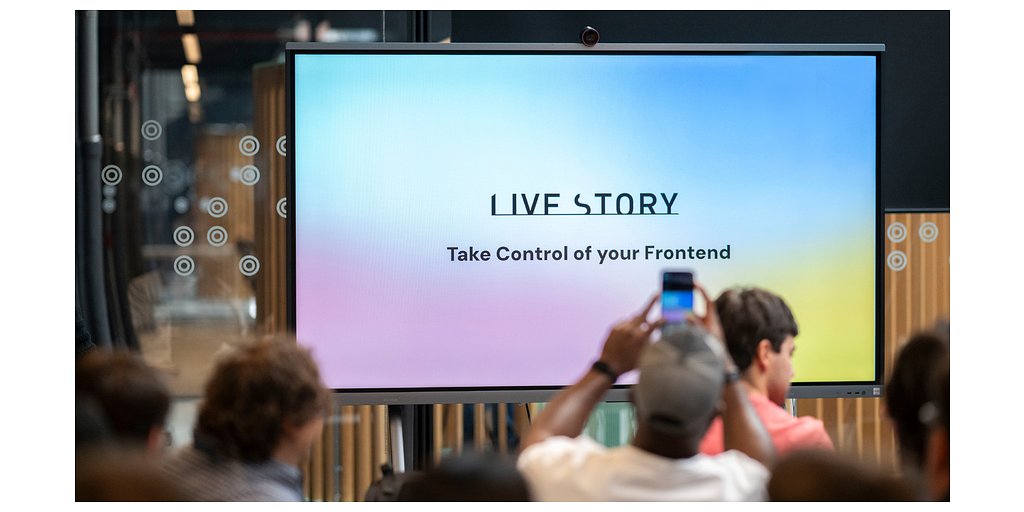
Live Story’s No-Code Offensive on Europe’s Digital Frontend
MILAN – June 03, 2026
The relentless acceleration of the digital world has created a fundamental paradox for modern brands. The pressure to deliver novel, engaging, and hyper-personalized customer experiences has never been greater, yet the very development cycles required to build them have become a bottleneck. In this high-stakes environment, a Milan-based company, Live Story, is making a strategic bet that the future belongs to those who can decouple creative vision from code. Fresh off doubling its annual recurring revenue in its home markets of Italy and Switzerland, the company is now launching a significant international expansion into the United Kingdom, Ireland, and the Nordics, aiming to solve the agility crisis plaguing digital teams.
Live Story operates a no-code Frontend Creative Platform, a category of software designed to hand the keys of the digital storefront back to marketing and design teams. Its expansion is fueled by what it calls a growing demand for a new “design-to-market” approach, a philosophy that promises to slash the time required to launch sophisticated digital campaigns and experiences from weeks or months down to mere hours.
The 'Design-to-Market' Revolution
For decades, the process of bringing a digital idea to life has been a rigid, linear relay race. A marketing team conceives a campaign, a design team creates mockups, and then, in a crucial hand-off, a development team translates those static images into functional code. This process is notoriously slow, expensive, and prone to misinterpretation, leaving brands struggling to keep pace with fast-moving market dynamics and fleeting consumer trends. Live Story aims to collapse this timeline by transforming the frontend into a live, malleable canvas.
The platform enables creative teams to design, manage, and publish enterprise-grade digital experiences directly, without writing a single line of code. This fundamentally changes the operational model for brands. Instead of submitting a ticket and waiting in a developer queue, a brand manager can independently assemble and launch a new landing page for a flash sale, a bespoke campaign microsite, or an interactive lookbook. This level of autonomy is why a growing roster of over 100 projects worldwide, including powerhouse luxury brands like Bottega Veneta, Dolce & Gabbana, and Max Mara Fashion Group, have already adopted the technology. For these companies, the platform isn't just a tool; it's a competitive advantage, allowing them to evolve from static digital presences to dynamic, modular experiences that can respond almost instantly to the needs of the market.
“Sites, campaigns, and digital experiences that would traditionally require weeks of development can be launched in a matter of hours,” a company representative noted, underscoring the platform’s core value proposition. This speed enables teams to create high-impact frontend experiences while ensuring consistency with brand guidelines, performance metrics, and governance requirements—a crucial trifecta for any enterprise-level operation.
Navigating the Chasm Between Monolith and Microservice
Live Story's emergence speaks to a deeper technological tension within the enterprise software landscape. On one side are the traditional monolithic systems—all-in-one platforms that are powerful but notoriously rigid and slow to change. On the other side are the modern headless and composable architectures. While these offer immense flexibility by separating the frontend (the “head”) from the backend, they often introduce significant complexity and a heavy reliance on specialized developers to build and maintain the customer-facing experience. This has created a gap where marketing teams, despite having a powerful backend, remain dependent on IT to make even minor frontend adjustments.
Live Story was engineered to fill this exact void. It acts as an intelligent abstraction layer that sits on top of a company's existing tech stack, whether it’s a monolith or a complex composable setup. It transforms these rigid or developer-dependent systems into a flexible, governable environment that gives non-technical teams full creative control. This approach is gaining traction as the demand for no-code and low-code solutions explodes. Market projections indicate that by 2026, a staggering 70% of all new business applications will be built using these technologies, signaling a profound democratization of software development.
This shift is being dramatically accelerated by artificial intelligence. As AI agents become more sophisticated consumers of digital content and customer expectations are shaped by AI-driven personalization, the need for brands to adapt their digital presence at machine speed is becoming paramount. The press release hints at this future, stating the platform helps brands respond to the needs of "human and agent-AI alike." A static, hard-coded website is ill-equipped for this new reality. A modular, API-first frontend that can be programmatically reconfigured—or quickly adjusted by a human—is essential. By empowering the teams closest to the customer, Live Story provides the agility required to experiment, iterate, and win in an AI-supercharged marketplace.
A Strategic Strike on Europe's Innovation Hubs
The decision to expand into the UK, Ireland, and the Nordics is far from arbitrary. It is a calculated move into some of the world's most digitally mature and innovation-driven markets. These regions are not just home to globally recognized consumer brands but also boast highly advanced digital ecosystems where companies are early and sophisticated adopters of new technology. This creates a fertile ground for Live Story’s “design-to-market” value proposition, as businesses there are already feeling the acute pain of development bottlenecks.
The market data validates this strategy. The European Digital Experience Platform (DXP) market, valued at nearly $2.9 billion in 2021, is projected to surge to over $8 billion by 2030, with a compound annual growth rate of 12.4%. The UK market alone is forecast to grow at a similar clip. This expansion is about capturing a piece of a rapidly growing pie. Europe is expected to command over 24% of the global DXP market by 2033, and the companies that establish a strong presence now are poised for significant long-term growth.
Furthermore, these target markets possess a high concentration of digital talent and a strong network of strategic partners, creating a natural environment for collaboration and scalable growth. Ireland, for example, stood out in 2024 with 73% of its population possessing basic or advanced digital skills, indicating a workforce ready to embrace and leverage advanced digital tools. By planting its flag in these key European hubs, Live Story is positioning itself not just as a tool provider, but as a strategic partner for brands on the digital frontline, helping them navigate the complexities of a rapidly evolving landscape where speed is the ultimate currency.