
- 657-lot auction featuring historic firearms and military artifacts
- $2,500-$4,500 estimated value for key items like a USMC sniper scope and WWI Luger
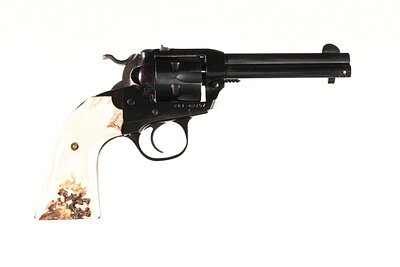
- 25 Ruger firearms from Mike Stewart’s collection, including a customized .44 Magnum
Experts view this auction as a significant barometer of the collectible firearms market, emphasizing the importance of provenance, condition, and ethical custodianship in preserving military history.
Legacy & Ballistics: Historic Arms Auction Tests Modern Collector Market
GREENSBORO, GA – December 03, 2025 – In the quiet town of Greensboro, Georgia, a significant event is poised to unfold that bridges decades of military history with the complexities of the modern collectibles market. On December 13, Montrose Auction will present a 657-lot sale that is far more than a simple exchange of goods. It represents the culmination of lifetimes of passionate collecting, offering a curated look into the tangible history of defense technology and craftsmanship through the estates of two remarkable men: Mike Stewart and Pedro Antonio “Tony” Rodriguez.
While firearms auctions are a regular occurrence, this event stands out for the provenance and quality of its offerings. It provides a unique lens through which to examine the intersection of personal legacy, the investment value of historical artifacts, and the evolving responsibilities of stewarding pieces of our strategic past. The sale features everything from prized Ruger revolvers and high-grade Browning rifles to a significant 19-piece collection of German Luger pistols, drawing a national audience of discerning collectors, investors, and historians.
The Custodians: Legacies of Passion and Preservation
At the heart of the auction are the collections of two men whose dedication transformed them into more than mere hobbyists; they were custodians of history. Mike Stewart (1938-2016) was a towering figure in the world of Ruger firearms, described by the Ruger Collectors Association as a “master scholar and sure-shot authority.” His collection, 25 pieces of which are featured in the sale, reflects a deep appreciation for the engineering and evolution of classic American firearms. Among them is a customized Ruger Flat-Top Blackhawk .44 Magnum, notable for its tuned action that predates the modern Transfer Bar System—a detail highly prized by purists. Fitted with genuine ivory grips, it represents a blend of factory production and bespoke craftsmanship.
The second cornerstone of the auction is the estate of Pedro Antonio “Tony” Rodriguez (1946-2025). His story is a compelling chapter of the American experience. Having fled Castro’s Cuba with his family in 1962, Rodriguez built a life in Georgia, retiring after a 40-year career as a railroad engineer with CSX. Parallel to his professional life, he cultivated an intense passion for military history, becoming an “avid collector of military firearms and artifacts, especially war relics.” His collection is not merely an assortment of hardware but a tangible link to the global conflicts that shaped the 20th century. The items he gathered tell stories of innovation, sacrifice, and the technological arms races that defined entire eras.
Technology Frozen in Time: From the Trenches to the Cold War
The strategic significance of the auction lies in specific items that represent key technological advancements in warfare. Headlining the Rodriguez collection is a USMC J. Unertl 8-power sniper scope, a piece of equipment that was instrumental for U.S. Marine Corps snipers in both World War II and the Korean War. This optic, mounted on legendary rifles like the M1903A1 Springfield and Winchester Model 70, gave American marksmen a critical advantage on the battlefield. The example at auction, complete with its original storage tube, is a direct link to the evolution of precision engagement in modern combat. With an estimate of $2,500-$3,500, its value is measured not just in dollars but in its historical impact.
Equally compelling is a 1917-dated DWM 9mm Navy Luger from World War I, estimated at $3,500-$4,500. The German Luger pistol is an icon of 20th-century industrial design and military doctrine. This particular naval variant, with its 6-inch barrel, was a specialized tool for Germany’s Imperial Navy during the Great War. The presence of a 19-piece Luger collection allows for a broader study of the pistol’s manufacturing history and variations, offering collectors a rare opportunity to acquire pieces from a pivotal moment in firearms engineering.
Beyond these marquee items, the auction includes artifacts from later conflicts, such as a Romanian Mk II semi-automatic rifle from the Rodriguez collection. This 5.45x39mm firearm, a variant of the Kalashnikov platform, speaks to the proliferation and adaptation of Soviet-era designs during the Cold War. Together, these pieces create a timeline of small arms development, from the trenches of Europe to the proxy conflicts that defined the latter half of the century.
The Tangible Asset: Navigating the Modern Militaria Market
This auction is also a barometer for the health and direction of the collectible firearms market. For investors and serious collectors, these items represent tangible assets whose value is driven by rarity, condition, and provenance. The market for vintage Rugers remains robust, with prices for used models showing a steady increase. A customized piece from a renowned collector like Mike Stewart, with an estimate of $650-$850, is seen as both a collectible and a potential growth asset.
However, navigating this market requires diligence. While a federally licensed dealer since 1993, Montrose Auction, like many auction houses, has received mixed customer feedback regarding item condition and service. This underscores a critical principle for bidders: the importance of in-person inspection or thorough vetting before committing. The adage “caveat emptor” (let the buyer beware) is particularly relevant when dealing with historical artifacts whose condition is paramount to their value.
Furthermore, the sale operates within a strict legal framework. As a Federally Licensed Firearms Dealer (FFL), the auction house must adhere to all federal and Georgia state laws, including mandatory background checks for firearm transfers. This regulatory environment ensures a layer of accountability in the exchange of these items. Ethically, the act of collecting extends beyond acquisition. It involves a commitment to what experts call “good custodianship”—the responsibility to preserve an item’s physical integrity and its historical truth. For collectors of military artifacts, this means understanding the often-unsettling context of the objects they own and ensuring that history is preserved, not revised. This auction, therefore, is not just a commercial event; it is a transfer of stewardship, where pieces of defense history pass into new hands, tasked with their preservation for the next generation.