
- Foreign Resident Population: Kuwana City is home to over 6,000 foreign residents, part of Mie Prefecture's record 71,492 foreign residents by the end of 2025.
- Educational Initiative: The “KUWANA ENGLISH ADVENTURE” program engaged elementary school students in hands-on, multicultural activities to foster English proficiency and global awareness.
- Multicultural Festival: The “GLOBAL FESTA 2026 in KUWANA HONPAKU” attracted numerous families with activities promoting interaction among diverse communities.
Experts would likely conclude that Kuwana's strategic focus on English proficiency, multicultural community building, and long-term economic sustainability sets a progressive model for regional cities facing demographic challenges.
Kuwana's Global Gambit: An 'English Friendly' Bet on the Future
KUWANA, Japan – March 27, 2026 – Known for having Japan's longest roller coaster and the thunderous Ishidori Festival, Kuwana City is now engineering a different kind of thrill: a bold, long-term transformation into an “English Friendly City.” This ambitious initiative, aimed at making the municipality “a city open to the world,” moves beyond tourism slogans, representing a strategic response to the profound demographic and economic challenges facing regional Japan.
Through a series of carefully orchestrated community events and new public services, the city, located just west of industrial powerhouse Nagoya, is laying the groundwork for a more international and multicultural future. Recent events, including an English immersion adventure for children and a large-scale multicultural festival, signal a clear commitment to creating an environment where both Japanese and international residents can thrive together.
A New Classroom for a Global Age
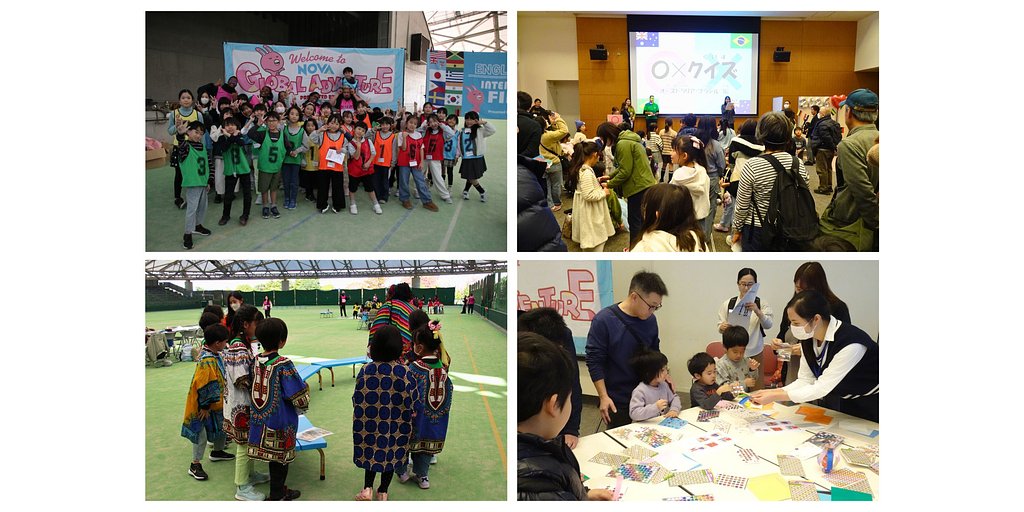
At the heart of Kuwana's vision is a focus on the next generation. In November 2025, the city hosted the “KUWANA ENGLISH ADVENTURE,” an experiential program designed to make global cultures and the English language accessible and exciting for elementary school students. In collaboration with NOVA, a prominent English conversation school operator, the event transformed language learning into a hands-on journey around the world.
Children didn't just sit in classrooms; they participated in activities like crafting American-style hamburgers from paper, playing the Italian lawn game of boccia, and trying their hand at the Finnish throwing game mölkky. The approach was designed to foster a natural familiarity with English by associating it with fun and discovery. According to the city, the program received “significant positive feedback not only from the children but also from their parents,” indicating a strong community appetite for such innovative educational opportunities.
This event is more than a one-off program; it represents a foundational pillar of the “English Friendly City” strategy. By instilling global awareness and English proficiency in its youngest residents, Kuwana is investing in long-term human capital, hoping to cultivate a generation of citizens comfortable and capable of engaging with the wider world.
Fostering a Multicultural Community
While nurturing future generations is key, Kuwana is also focused on the present needs of its increasingly diverse population. Mie Prefecture, where Kuwana is located, saw its foreign resident population swell to a record 71,492 by the end of 2025, with Kuwana City itself home to over 6,000 of them. In response, the city is actively working to bridge cultural divides and foster a genuine sense of belonging.
The “GLOBAL FESTA 2026 in KUWANA HONPAKU,” held for the second consecutive year, is the flagship event for this effort. Expanding in both size and scope, the festival attracted numerous families with a vibrant mix of activities designed to promote interaction. Attendees participated in a multilingual rock-paper-scissors train, tried on traditional attire from various countries, and embarked on a multicultural quiz rally where correct answers were rewarded with sweets from around the world.
These events are designed to create what the city calls “opportunities for interaction with international residents.” But the commitment goes beyond festivals. In a significant move, the city recently launched a concierge service for foreign residents at Kuwana City Hall, providing consultations on daily life in multiple languages, including English, Portuguese, and Vietnamese. This practical support system demonstrates a deeper understanding that true multicultural coexistence requires not just celebration, but also dedicated infrastructure to help newcomers navigate the challenges of life in a new country.
The Strategic Play for a Sustainable Future
Kuwana's internationalization drive is not merely an exercise in civic idealism; it is a calculated strategic play for economic survival and future prosperity. Like many regional cities across Japan, Kuwana faces the headwinds of a declining birthrate and an aging population, which threaten to shrink its workforce and tax base. The city's population has already seen a slight decline in recent years.
Viewed through this lens, the vision to become “a city chosen by people from around the world” is an economic imperative. By creating a comfortable and welcoming environment for English speakers and people of all nationalities, Kuwana aims to attract and retain the skilled foreign labor, entrepreneurs, and families needed to ensure its long-term vitality. This proactive approach sets it apart from reactive policies, positioning the city as a desirable destination rather than a place simply trying to fill labor gaps.
This strategy is a nuanced blend of approaches seen elsewhere. While major hubs like Tokyo and Osaka are English-friendly by necessity due to massive tourism and large expatriate communities, and cities like Fukuoka target specific sectors like finance, Kuwana is crafting a holistic, community-based model. It combines grassroots educational initiatives with practical support services and large-scale branding, creating a comprehensive blueprint that other regional cities may look to for inspiration.
Building the Brand, Sealing the Partnerships
To ensure its message resonates globally, Kuwana has enlisted a diverse range of partners to amplify its efforts. The city has named Chris Glenn, a prominent Nagoya-based Australian radio DJ, as its official “English Friendly City” ambassador, leveraging his profile to promote the initiative. Furthermore, a collaboration with Pony Canyon, a major Japanese entertainment and media company, signals a serious investment in professional public relations and event promotion.
The city's digital presence has also been upgraded with the launch of an official English-language Instagram account dedicated to showcasing Kuwana's charms and the ongoing initiative. This effort is complemented by partnerships with travel platforms like Japan-guide.com to ensure Kuwana is on the radar of potential tourists, residents, and investors worldwide.
These partnerships, from the educational expertise of NOVA for children's programs to the media savvy of Pony Canyon, demonstrate a sophisticated, multi-pronged approach. Kuwana City is not just stating its intentions; it is building a coalition of experts and influencers to turn its ambitious vision of becoming a city chosen by the world into a tangible reality.