
- $700,000 saved by shoppers in the pilot program
- 320,000+ pounds of food diverted from landfills
- 70% of Flashfood users report healthier diets since using the app
Experts would likely conclude that Kroger's expanded partnership with Flashfood represents a scalable, tech-driven solution to reduce food waste while improving affordability and public health, aligning with broader industry trends in sustainability and community wellness.
Kroger and Flashfood Expand Pact to Fight Waste and Lower Grocery Bills
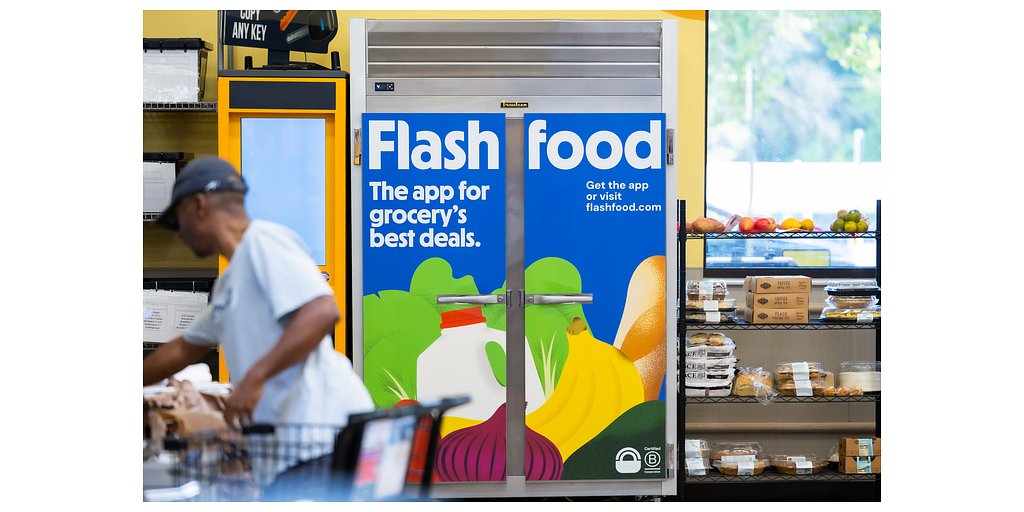
RICHMOND, VA – April 08, 2026 – Kroger is escalating its fight against food waste and rising grocery bills by expanding its partnership with the surplus food platform Flashfood to all of its 100+ stores across the Mid-Atlantic division. The move signals a significant commitment to a technology-driven solution that simultaneously addresses environmental sustainability and consumer affordability.
This expansion follows a highly successful pilot program launched last summer in 16 Richmond-area Kroger locations. The initiative quickly gained traction with shoppers, who have since saved nearly $700,000 on their grocery bills. More critically, the partnership has prevented over 290,000 pounds of perfectly good food from ending up in landfills, a figure that some reports indicate has since grown to over 320,000 pounds. The program allows shoppers to use the free Flashfood mobile app to purchase fresh food items—including produce, meat, dairy, and baked goods—nearing their best-before date at discounts of up to 50%.
“From the start, our Richmond customers have embraced Flashfood,” said Kate Mora, President of Kroger Mid-Atlantic, in a statement. “The expansion throughout our Mid-Atlantic division is a natural next step. This will give more shoppers the opportunity to save on groceries while ensuring less good food ends up in landfills, bringing our Zero Hunger Zero Waste commitment to life in a meaningful way."
A Strategic Alliance for Retail Reinvention
The partnership between the grocery giant and the tech startup represents a pivotal trend in modern retail: leveraging technology to solve longstanding operational challenges. For Kroger, managing “shrink”—unsold inventory that detracts from profits—is a constant priority. Flashfood provides a dynamic, data-driven system to manage this surplus, turning potential losses into revenue and customer engagement.
“Together, we’re building a modern, data-driven shrink management system that supports Kroger’s waste reduction goals while helping more families access the food they need,” noted Jordan Schenck, CEO of Flashfood. This model directly supports Kroger's ambitious Zero Hunger | Zero Waste initiative, a company-wide plan launched in 2017 with the goal of ending hunger in its communities and eliminating waste across the company by 2025.
Kroger's progress on this front has been substantial. According to its 2023 Environmental, Social, and Governance (ESG) report, the company has already directed over 3 billion meals to communities and achieved an 82% waste diversion rate from landfills company-wide in 2022. The Flashfood partnership provides a powerful tool to help close the remaining gap toward its zero-waste goal.
This in-store surplus model differentiates Flashfood from other players in the food waste space. While services like Misfits Market focus on a direct-to-consumer model for cosmetically imperfect produce sourced from farms, Flashfood integrates directly into the existing retail infrastructure. By doing so, it helps retailers like Kroger sell items already on their shelves, driving foot traffic as customers come in to retrieve their orders from a designated “Flashfood Zone” inside the store.
Beyond the Bargain: Food as Medicine
Perhaps the most forward-looking aspect of this expanded collaboration is its explicit focus on health and nutrition. The partnership is actively championing the 'Food as Medicine' movement, a growing philosophy that positions nutritious food as a critical tool for preventing and managing chronic disease. In an era where diet-related illnesses are prevalent and healthy food can be prohibitively expensive, Kroger Health and Flashfood are working to place affordability at the center of the wellness conversation.
A 2025 survey of Flashfood users yielded compelling results, with 70% of shoppers reporting that their diet has become healthier since they started using the app. This suggests that by lowering the price barrier, the platform is not just offering savings but is actively enabling better dietary choices.
To build on this momentum, Kroger Health and Flashfood will introduce a series of free virtual nutrition classes for shoppers. These sessions are designed to provide practical guidance on preparing healthy, budget-friendly meals using fresh ingredients, including those frequently found through the Flashfood app.
“Our team is always looking for ways to make healthier choices the easy choice for our shoppers, and Flashfood helps make those options both accessible and affordable,” said Laura Brown, Director of Nutrition for Kroger Health. “Through these nutrition classes, we hope to make healthy living more approachable while showcasing the wide variety of nutritious options available in our stores."
This initiative aligns with a broader industry trend where supermarkets are transforming from simple food purveyors into community health hubs. By offering services like nutrition counseling and educational programs alongside affordable, healthy food, retailers are playing a more integral role in public health.
With its expansion across Kroger’s Mid-Atlantic division—which spans Virginia, West Virginia, Kentucky, Tennessee, and Ohio—Flashfood continues its rapid growth. The B-Corp certified company is now available in more than 2,000 grocery stores across North America, having rerouted over 145 million pounds of food from landfills and saved shoppers more than $370 million on groceries to date. The partnership's success serves as a powerful model for how public-private collaboration can generate a dual dividend: a healthier planet and healthier, more food-secure communities.