
- IECC 2021 mandates a maximum air leakage of 3.0 Air Changes per Hour (ACH50) for residential construction, a significant reduction from previous standards. - Building air sealing and insulation market projected to more than double from USD 28 billion in 2023 to over USD 56.7 billion by 2033. - Kraken Bond's FastCoat Closed Cell Spray Foam offers an R-value of 5.66 per inch, combining thermal resistance with sealing capabilities.
Experts agree that the tightening of energy codes, such as the IECC 2021, is driving a critical shift in the construction industry, making high-performance sealants essential for compliance, efficiency, and sustainability.
Kraken Bond Expands Sealant Line as Energy Codes Tighten Grip
CHANTILLY, VA – April 27, 2026 – A fundamental shift is underway in the construction industry, driven by a wave of stringent energy efficiency standards that are reshaping how buildings are designed and assembled. In response, Virginia-based manufacturer Kraken Bond is expanding its portfolio of gap-filling foam sealant solutions, positioning its products as a critical tool for contractors and builders struggling to meet these new, demanding requirements.
The company’s strategic move highlights a growing market reality: as building codes tighten, the humble gap and crack sealant has been elevated from a simple finishing product to an essential component for regulatory compliance, project efficiency, and long-term building performance.
The Regulatory Squeeze: IECC 2021 and the Push for Performance
At the heart of this industry-wide transformation is the International Energy Conservation Code (IECC) 2021, a set of standards that significantly raises the bar for energy efficiency. Adopted or influencing codes in numerous states, the 2021 IECC mandates a more holistic and verifiable approach to the building envelope—the physical barrier between the conditioned interior and the unconditioned exterior.
Key among these changes are stricter requirements for air tightness. For residential construction, the code mandates a maximum air leakage of 3.0 Air Changes per Hour (ACH50) when tested with a blower door, a diagnostic tool that pressurizes a house to measure air leaks. This is a substantial reduction from previous versions and eliminates loopholes that allowed for simple visual inspections in some jurisdictions. Unsealed gaps around windows, doors, plumbing penetrations, and foundation joints are now major points of failure during these mandatory tests.
Furthermore, the 2021 IECC requires a continuous air barrier, meaning every seam and penetration in the building's thermal envelope must be meticulously sealed. This has put immense pressure on builders to find reliable, high-performance materials that can create a durable, unbroken seal. The code's impact is already being felt, with industry analysis projecting it will improve residential energy efficiency by up to 14% over the 2018 standards, forcing contractors to adapt their methods or risk costly delays and failed inspections.
Sealing the Deal: How Advanced Foams Boost Contractor Efficiency
The market for materials that can meet these new challenges is expanding rapidly. Global projections estimate the building air sealing and insulation market will more than double from USD 28 billion in 2023 to over USD 56.7 billion by 2033. For contractors on the ground, the challenge is not just compliance, but achieving it without sacrificing project timelines and profitability.
This is where specialized products like those from Kraken Bond enter the picture. The company is focusing on professional-grade, fast-curing foam sealants designed to reduce the significant labor time associated with meticulous air sealing. "The evolution of energy codes has fundamentally changed how contractors approach air sealing on job sites," said a spokesperson for Kraken Bond LLC. "Our foam sealants provide the reliability and performance characteristics that professionals need to pass increasingly rigorous building inspections while maintaining efficient project timelines."
The emphasis on speed is critical. A foam that becomes tack-free in minutes allows builders to move on to subsequent tasks like installing drywall or trim without long delays. This efficiency is a powerful value proposition in an industry grappling with labor shortages and tight schedules. By offering fast-curing solutions, the company directly addresses a major pain point for builders who must now dedicate more time and resources than ever to achieving a certifiably airtight building envelope.
Beyond the Blueprint: The Technical Edge in Modern Sealants
As demand grows, the market has become more competitive, with established players like DAP, Dow, and Soudal all offering advanced sealing solutions. Kraken Bond is differentiating itself through a focus on verifiable performance metrics and specialized formulations.
For instance, the company's FastCoat Closed Cell Spray Foam boasts a high R-value of 5.66 per inch, providing significant thermal resistance in addition to its sealing capabilities. Its closed-cell structure makes it waterproof, preventing moisture intrusion that can lead to mold and structural decay. This dual-purpose functionality—insulating while sealing—is increasingly valuable under codes that demand better overall envelope performance.
Furthermore, for applications where fire safety is paramount, Kraken Bond's Fire Block foam sealants are formulated to meet stringent safety standards, including ASTM E84 Class A fire ratings. This is crucial for sealing penetrations in fire-rated walls, a common requirement that inspectors check closely. The bright orange color of many fire block foams, a feature common across brands, serves as a clear visual indicator for code officials, simplifying the verification process.
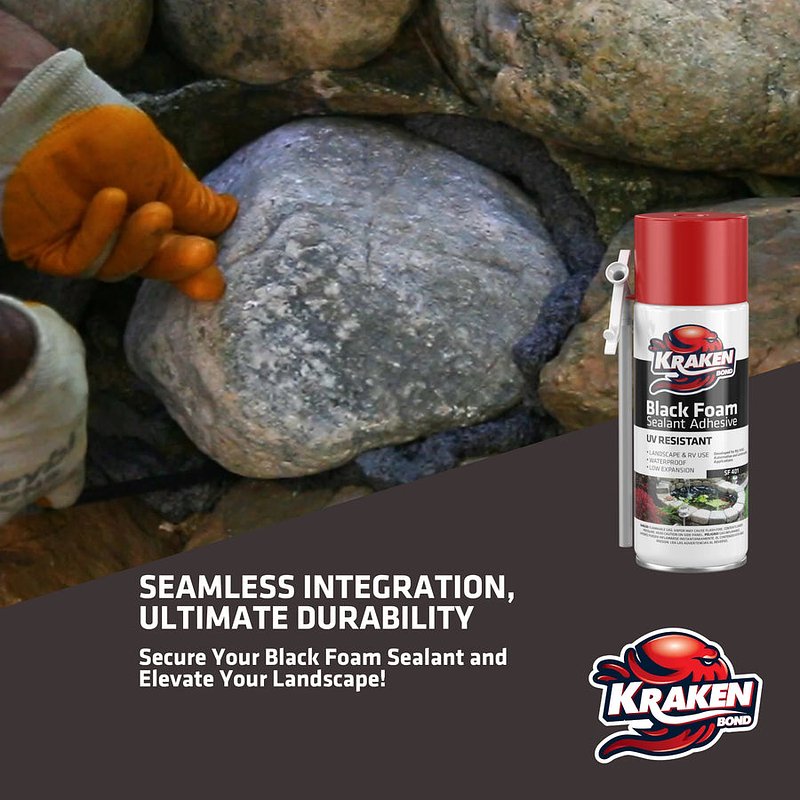
This technical focus extends to acoustic performance, with some products offering sound-dampening qualities, and specialized formulations like black foam designed for outdoor pond and landscape use with enhanced UV and water resistance. By providing a comprehensive range of products with clearly defined technical advantages, the manufacturer aims to be a one-stop-shop for builders navigating the complexities of modern construction codes.
Building a Greener Future, One Gap at a Time
The push for stricter energy codes is ultimately about more than just compliance; it's a critical component of the global effort to reduce energy consumption and combat climate change. Buildings are a major source of greenhouse gas emissions, and a significant portion of their energy use is dedicated to heating and cooling. Every unsealed gap is a leak, letting conditioned air escape and forcing HVAC systems to work harder.
Effective air sealing directly translates into lower energy bills for homeowners and reduced carbon footprints for buildings. By developing products that help create tighter, more efficient building envelopes, companies like Kraken Bond are enabling the construction of more sustainable infrastructure. The use of ozone-friendly propellants in many modern foam products further aligns the industry with broader environmental goals.
As these trends continue, the focus on high-performance building materials will only intensify. The expansion of specialized foam sealant lines is not merely a response to a new set of rules but an indicator of a permanent evolution in the construction industry, where energy efficiency and verified performance are no longer optional extras but the new standard of quality.