
- First successful implant of KingstronBio's ProStyle M® Transcatheter Mitral Valve System on March 12, 2026, marking the launch of a pivotal national clinical trial.
- $66 million in funding secured by KingstronBio to advance its R&D pipeline.
- 10 patients in the initial First-in-Man study, with a mean age of 71, showed 'excellent anchoring performance with no regurgitation observed in all cases.'
Experts view KingstronBio's ProStyle M® system as a promising advancement in minimally invasive heart valve replacement, with potential to significantly improve outcomes for high-risk patients with mitral regurgitation, pending successful trial validation.
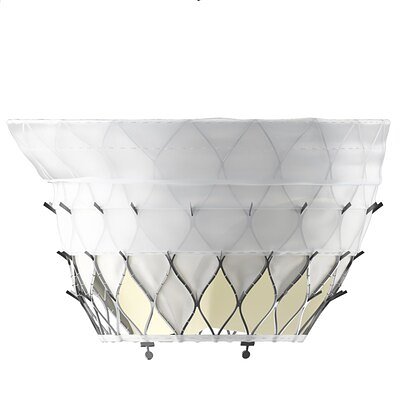
KingstronBio's Heart Valve Trial Marks Milestone for Chinese Medtech
SHANGHAI, CHINA – April 08, 2026 – A significant step forward in cardiovascular care was achieved last month as Chinese medical device firm KingstronBio announced the first successful implant of its ProStyle M® Transcatheter Mitral Valve System within a pivotal national clinical study. The procedure, performed on March 12 at the prestigious Zhongshan Hospital Affiliated to Fudan University, marks the official launch of a multicenter confirmatory trial that could pave the way for a new, less invasive treatment for millions suffering from mitral regurgitation.
The successful implantation, guided entirely by ultrasound, represents a critical juncture for both KingstronBio and China's burgeoning high-tech medical industry. It brings a domestically engineered solution to the forefront of tackling one of the most common and challenging forms of heart disease.
A New Frontier for Heart Patients
Mitral Regurgitation (MR), a condition where the heart's mitral valve fails to close properly, causing blood to leak backward, is the most prevalent valvular heart disease in China. Studies indicate that millions are affected, with prevalence increasing significantly with age. For decades, the primary treatment for severe MR has been open-heart surgery to repair or replace the valve—a highly effective but invasive procedure that carries significant risks, especially for elderly or frail patients.
This has left a large population of high-risk patients with limited options. The emergence of Transcatheter Mitral Valve Replacement (TMVR) offers a paradigm shift, allowing for valve replacement through a minimally invasive catheter-based procedure, avoiding the need to stop the heart or open the chest. However, the complex anatomy of the mitral valve has made developing effective TMVR devices a global challenge.
KingstronBio's ProStyle M® system is designed to address these challenges head-on. If the current study validates its safety and efficacy, the device could offer a life-changing alternative for patients previously deemed ineligible for surgery, significantly improving their quality of life and long-term prognosis.
Innovation Engineered for Durability and Safety
At the core of the ProStyle M® system's promise are several proprietary technologies developed by KingstronBio to overcome key hurdles in TMVR. The company has focused on improving both the implantation procedure and the long-term durability of the valve itself.
One of the most significant challenges in TMVR is the risk of obstructing the left ventricular outflow tract (LVOT), a potentially fatal complication. ProStyle M® features an eccentric structural design specifically engineered to minimize this risk, aiming to improve procedural safety and expand the number of patients who can be treated.
Furthermore, the longevity of bioprosthetic valves has long been limited by calcification, where calcium deposits cause the valve leaflets to stiffen and fail over time. KingstronBio's Micro-Ex™ anti-calcification technology is a proprietary treatment process that deeply cleanses the bovine pericardial tissue used in the valve. By removing phospholipids and other cellular remnants that trigger calcification, the company aims to create a valve with a lifespan potentially exceeding 15 years, reducing the need for future re-interventions. This approach aligns with broader industry efforts to enhance valve durability, a critical factor for patient outcomes.
Complementing this is the AirBo™ dry storage technology. Unlike traditional valves stored in glutaraldehyde solution, which requires rinsing before use, ProStyle M® is preserved dry. This simplifies the implantation process for surgeons and may further enhance the valve's biocompatibility and resistance to calcification.
The Path from Trial to Treatment
The launch of the national confirmatory study is the culmination of years of rigorous development. It follows a successful two-year First-in-Man (FIM) study involving 10 patients with a mean age of 71. The results from that initial trial were highly encouraging, demonstrating "excellent anchoring performance with no regurgitation observed in all cases," according to the company.
The current multicenter study will generate a much larger body of data to verify the product's safety and efficacy across a broader patient population. This is a crucial step in the regulatory journey toward market approval from China's National Medical Products Administration (NMPA). The NMPA has been actively streamlining its processes to support domestic innovation, implementing policies like a "China-first launch" mechanism to accelerate the approval of novel, high-end medical devices developed within the country.
Symbol of a National Ambition
KingstronBio's progress with ProStyle M® is more than a single company's achievement; it is a powerful illustration of China's strategic push to become a global leader in high-tech medical manufacturing. This ambition is a core component of the "Made in China 2025" initiative, which aims to increase the domestic market share of Chinese-made medical devices and reduce reliance on foreign imports.
Founded in 2012, Suzhou-based KingstronBio has positioned itself at the vanguard of this movement. Led by Dr. Zhong Shengping, a veteran of the U.S. medical device industry, the company has secured over $66 million in funding from prominent investors to fuel its R&D pipeline. This pipeline extends beyond mitral valves to include a full suite of products for structural heart disease, including transcatheter aortic valves and annuloplasty rings.
The company enters a competitive but rapidly growing market. While international giants like Abbott have made inroads in China with repair devices like the MitraClip, a new wave of domestic innovators is rising to meet the challenge. Companies like Valgen Medtech and Jenscare Scientific are also advancing their own transcatheter valve technologies, creating a dynamic ecosystem of innovation. KingstronBio's focus on a full replacement system with advanced durability features positions it as a strong contender in the race to provide comprehensive solutions for China's vast patient population. This milestone not only offers hope to patients but also signals the maturation of China's capacity to develop and commercialize world-class medical technology from the ground up.