
- $46 billion: Projected global market value for animal feed additives by 2029
- $2.1 billion: Expected market size for feed enzymes by 2032
- 60-70%: Typical proportion of total livestock production costs attributed to feed
Experts view ARGIS® as a promising innovation in animal nutrition, offering a scientifically validated solution to improve feed efficiency and reduce reliance on antibiotics, with potential to disrupt the competitive feed additive market.
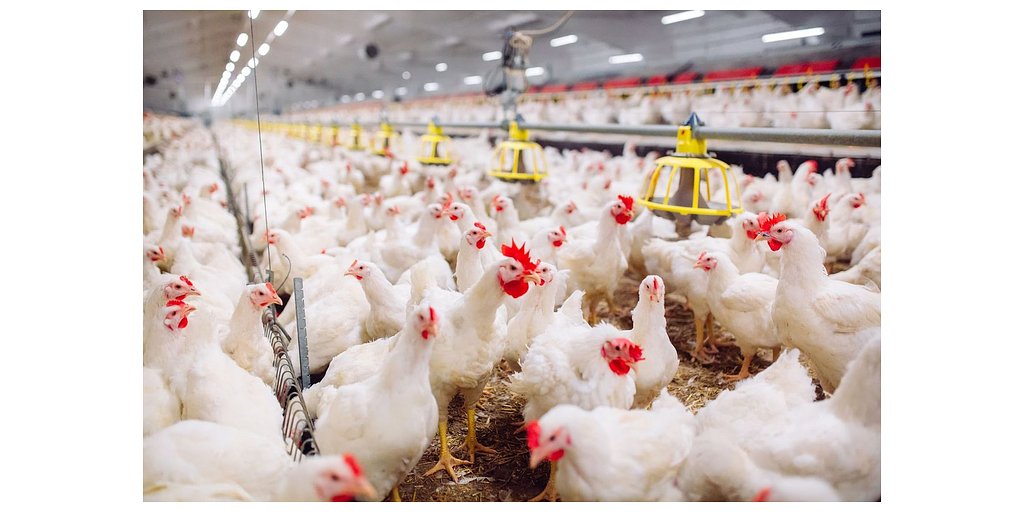
KENT's ARGIS® Probiotic Aims to Disrupt Animal Nutrition Market
ATLANTA, GA – January 23, 2026 – In an industry constantly seeking the next leap in efficiency and sustainability, KENT® Nutrition has captured the spotlight with its breakthrough probiotic, ARGIS®. The product has been selected for the prestigious New Product Showcase at the 2026 International Production & Processing Expo (IPPE), the world's largest annual event for the poultry, meat, and animal food industries. This recognition signals a significant validation for what the company bills as a revolutionary step in poultry and swine nutrition.
The IPPE New Product Showcase is a critical platform for innovation, connecting thousands of industry decision-makers with technologies poised to advance the sector. Products are judged on their novelty, value proposition, and potential return on investment. For ARGIS®, being featured is more than an honor; it's an introduction to a global market hungry for science-backed solutions that improve both animal health and the bottom line.
Unlocking a New Level of Nutritional Science
At its core, ARGIS® is a patented probiotic designed to unlock the full nutritional potential of soybean meal, a primary component in poultry and swine diets. Developed in collaboration with researchers from the Arkansas Agricultural Experiment Station, the product leverages a specific Bacillus-strain probiotic to tackle a long-standing challenge in animal nutrition: the digestion of non-starch polysaccharides (NSPs).
These complex carbohydrates are largely indigestible by poultry and swine, effectively locking away valuable nutrients and energy within the feed. Traditionally, producers have relied on adding multiple exogenous (externally produced) enzymes to their feed mixes to break down NSPs. ARGIS®, however, works differently. It introduces a live microorganism that produces the necessary enzymes directly within the animal's gastrointestinal tract.
This innovative approach, protected by patent US20220347234A1, offers several key advantages. According to KENT Nutrition, it can reduce or eliminate the need for a cocktail of individual enzymes, simplifying feed formulation and potentially lowering costs. Furthermore, the chosen Bacillus strain is notably robust. It is heat-tolerant, allowing it to survive the high temperatures of the feed pelleting process, and remains viable in the low pH (acidic) environment of an animal's stomach—hurdles that can render other probiotics ineffective. The result is a more resilient and effective tool for improving nutrient digestibility, which in turn enhances feed efficiency and promotes a healthier, more productive animal.
A Strategic Play in a Booming Market
ARGIS® enters a fiercely competitive and rapidly growing global animal nutrition market. The market for animal feed additives alone is projected to reach nearly $46 billion by 2029, while the more specific feed enzymes segment is expected to exceed $2.1 billion by 2032. This growth is fueled by powerful global trends, including rising demand for animal protein, particularly poultry, and a decisive industry shift away from antibiotic growth promoters.
As regulatory bodies like the U.S. Food and Drug Administration (FDA) and the European Food Safety Authority (EFSA) tighten restrictions on antibiotic use over concerns about antimicrobial resistance, producers are actively seeking effective alternatives. Probiotics and enzymes have emerged as leading solutions, capable of improving gut health, boosting immunity, and enhancing performance without antibiotics.
In this crowded field, dominated by giants like Novozymes (in partnership with DSM), Evonik, and Chr. Hansen, differentiation is key. KENT Nutrition's ARGIS® appears to carve out a unique position. While competitors offer a wide array of probiotic strains and enzyme cocktails, ARGIS®'s dual-functionality as an in-situ enzyme factory presents a compelling value proposition. Its ability to simplify feed management while delivering consistent results in harsh production environments could disrupt the established market for standalone enzyme products.
“ARGIS represents a major step forward in poultry nutrition,” said Kale Causemaker, Senior Director, Innovative Solutions at KENT Nutrition, in a statement. “Being featured in the IPPE New Product Showcase gives us an incredible opportunity to share how this patented product is helping producers improve feed efficiency and overall performance in poultry.”
Tangible Benefits for the Modern Producer
Beyond the scientific innovation and market strategy, the ultimate test for any agricultural product is its impact on the farm. For poultry and swine producers, ARGIS® promises tangible benefits that directly address their most pressing operational challenges: cost management and animal welfare.
Feed represents the single largest expense in livestock production, often accounting for 60-70% of total costs. By improving feed efficiency—meaning the animal gets more nutritional value from every pound of feed consumed—ARGIS® directly translates to cost savings. Healthier gut function leads to better nutrient absorption, allowing producers to achieve target growth rates with less feed, improving their economic sustainability.
Furthermore, a healthy gut microbiome is the foundation of a healthy animal. By promoting beneficial bacteria and improving digestion, probiotics like ARGIS® can help reduce the incidence of enteric diseases, leading to lower mortality rates and reduced reliance on therapeutic treatments. This not only enhances animal welfare but also contributes to the production of safer, higher-quality meat products for consumers.
The product's resilience to heat and acid is not just a technical specification; it is a critical feature for ensuring performance in real-world conditions. From the feed mill to the farm, the probiotic remains active and effective, giving producers confidence in its consistent delivery of benefits. This reliability is paramount in an industry where margins are tight and performance is everything. As the agricultural sector continues to evolve, innovations that deliver on the dual promise of profitability and sustainability will be the ones that define its future.