
- $9.2 billion: Peak capital inflows into the Delaware Statutory Trust (DST) market in 2022.
- $7-8 billion: Projected DST offerings in 2025.
- Dual-threat hire: Edward Hannon, a tax attorney and CPA, specializing in DSTs.
Experts would likely conclude that Kelley Drye’s strategic hire of Edward Hannon underscores a deliberate effort to dominate the high-growth DST market by leveraging specialized expertise and existing infrastructure.
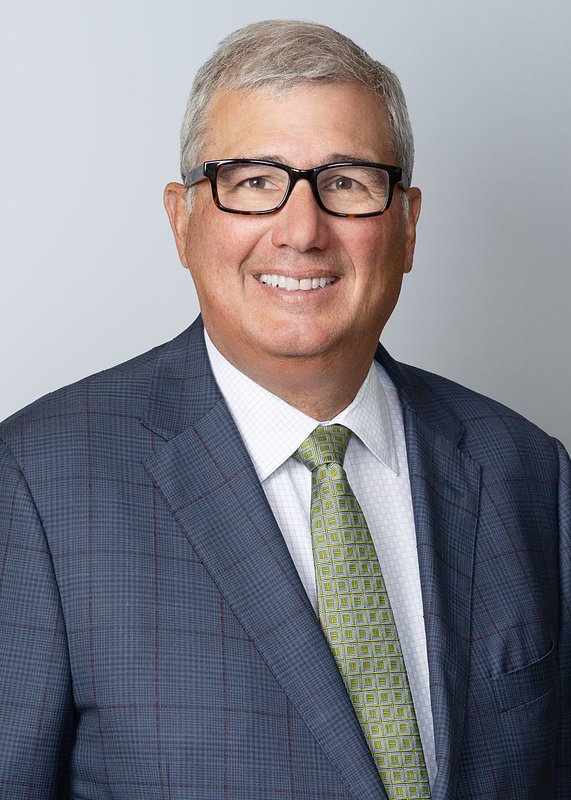
Kelley Drye’s New Hire Is a Masterclass in Niche Market Strategy
CHICAGO, IL – June 09, 2026 – In a move that speaks volumes about the shifting dynamics of real estate investment, law firm Kelley Drye & Warren LLP announced today it has brought on Edward Hannon, a distinguished tax attorney and CPA, as a partner. While partner announcements are routine in the legal world, this one is different. It’s a calculated, strategic strike aimed at cornering a burgeoning and complex segment of the market: the Delaware Statutory Trust (DST).
This isn’t merely about adding headcount; it’s about acquiring specialized firepower. Hannon’s arrival in the firm's Chicago office reinforces what Kelley Drye calls a “full-cycle DST practice,” signaling a deliberate effort to build an impenetrable moat in a field where expertise is scarce and demand is soaring. The decision provides a clear window into how modern organizations build competitive advantage—not by being everything to everyone, but by becoming the undisputed authority in a high-value niche.
The Strategic Play in a Burgeoning Market
To understand the gravity of this hire, one must first appreciate the explosive growth of the DST market. Once a niche vehicle for sophisticated investors, DSTs have become a cornerstone of modern real estate portfolio management, particularly for those utilizing Section 1031 like-kind exchanges to defer capital gains taxes. The market has seen staggering capital inflows, peaking at $9.2 billion in 2022. After a brief moderation, it has rebounded strongly, with industry analysts projecting offerings to reach between $7 billion and $8 billion in 2025.
This growth is fueled by powerful demographic and economic trends. An aging generation of property owners, primarily Baby Boomers, is increasingly seeking to transition from the headaches of active property management to passive income streams without incurring massive tax liabilities. DSTs offer an elegant solution, allowing them to exchange their properties for fractional interests in a professionally managed portfolio of institutional-grade real estate. This structure democratizes access to large-scale assets—from industrial warehouses to multifamily apartment complexes—that would otherwise be out of reach for individual investors.
Kelley Drye’s leadership sees this trend not as a wave to ride, but as a market to capture. “Ed is an outstanding addition to our firm and a natural fit for the platform we have built,” said Dana Rosenfeld, Kelley Drye’s Managing Partner. “His deep knowledge of Delaware Statutory Trusts and real estate tax structures...strengthens our ability to deliver sophisticated, integrated counsel to clients in one of the fastest-growing segments of the real estate market.” The message is clear: the firm is investing ahead of the curve to meet a complex and accelerating client need.
Deepening the Bench with Specialized Expertise
The effectiveness of this strategy hinges on the caliber of talent leading the charge, and Ed Hannon’s profile is a testament to Kelley Drye’s selective approach. Hannon is a rare dual-threat professional: a seasoned attorney with an LL.M. in Taxation from Georgetown and a Certified Public Accountant. This blend of legal and financial acumen is critical in the world of DSTs, where success depends on navigating intricate tax codes and complex real estate structures.
Prior to joining the firm, Hannon co-led the DST working group at another major national law firm, giving him proven leadership experience in building and managing such a specialized practice. His expertise is not theoretical; it covers the entire lifecycle of a DST transaction, from formation and master lease structuring to UPREIT conversions and post-exchange refinancing.
“I have known Ed for years and always admired his command of the tax and structural complexities that drive DST deals,” said Dean Loventhal, co-chair of Kelley Drye’s Real Estate practice group. This peer recognition underscores the value placed on Hannon’s specific skillset. For clients, this translates into seamless counsel that bridges the gap between the real estate transaction and the tax strategy, eliminating friction and maximizing value.
Hannon himself noted the strategic advantage of his new firm's existing infrastructure. “What sets Kelley Drye apart is the breadth of talent already in place—this is a firm where I can tap into experienced real estate, securities, finance, and corporate attorneys who are fluent in the DST model,” he stated. “I don’t need to build the infrastructure; it’s already here.” This highlights a key principle of effective strategy: building on existing strengths to create a new, dominant capability.
Navigating the Complexities of Modern Real Estate Investment
The rising prominence of DSTs has brought with it a labyrinth of regulatory requirements. To qualify for a Section 1031 exchange, a DST must adhere to strict IRS guidelines, colloquially known as the “seven deadly sins.” These rules prohibit the trust from taking certain actions, such as raising new capital, renegotiating leases, or modifying mortgages once the offering is closed. A misstep can have catastrophic tax consequences for investors.
Furthermore, the Tax Cuts and Jobs Act (TCJA) of 2017 narrowed the scope of 1031 exchanges to cover only real property, increasing the importance of proper asset classification and structuring. This regulatory minefield is precisely where elite legal talent becomes indispensable. Firms that can guide sponsors and investors through these complexities not only protect their clients but also enable the market's continued growth.
Hannon’s role extends beyond simple compliance. His experience advising on DST-related considerations in CMBS financing and real estate purchase negotiations shows an ability to operate at the intersection of tax law, finance, and corporate transactions. This integrated approach is essential for both emerging sponsors launching their first DST and established funds looking to broaden their capital sources by attracting 1031 exchange investors.
By bringing Hannon aboard, Kelley Drye is not just offering advice; it's providing a strategic compass for navigating one of the most powerful wealth-building and preservation tools in modern real estate. As generational wealth continues to transfer and investors seek more sophisticated, tax-efficient strategies, the demand for this level of guidance will only intensify, positioning firms with deep, integrated expertise to thrive.