
- Katten has nearly 650 attorneys globally.
- Kennedy co-chairs Katten's Financial Markets and Regulation practice, which includes many former senior government officials.
- The CFTC Graduates Society (CFTCGS) is an influential network of current and former CFTC professionals.
Experts would likely conclude that this appointment strengthens Katten's influence in financial regulation and underscores the growing interplay between private legal practice and public regulatory bodies.
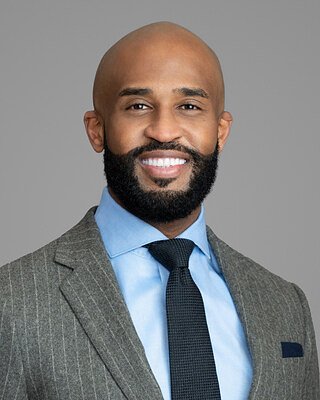
Katten's Kennedy to Lead CFTC Alumni Group, Deepening Firm's Influence
NEW YORK, NY – January 28, 2026 – Carl Kennedy, a former top regulator at the US Commodities Futures Trading Commission (CFTC) and current co-chair of Katten's Financial Markets and Regulation practice, has been named co-chair of the CFTC Graduates Society (CFTCGS). The appointment places a key figure from a major law firm at the helm of an influential network of current and former agency professionals, underscoring the deepening symbiosis between private practice and public regulatory bodies.
The move, set to be formally announced at the upcoming American Bar Association (ABA) Derivatives and Futures Law Committee Meeting, is more than a personnel change; it signals a strategic positioning for both Kennedy and his firm within the intricate world of financial derivatives.
A Strategic Appointment for Katten
For Katten, a full-service law firm with nearly 650 attorneys globally, Kennedy's appointment fortifies its standing as a powerhouse in financial regulation. The firm's Financial Markets and Regulation (FMR) practice, which Kennedy co-chairs, is renowned for its deep bench of talent, many of whom have transitioned from senior government roles. Kennedy's leadership partner in the practice is Daniel Davis, himself a former CFTC General Counsel.
This concentration of former high-level regulators within a single practice group provides the firm with unparalleled insight and access. It allows Katten to offer its clients—a roster that includes hedge funds, asset managers, clearinghouses, and proprietary trading firms—a uniquely informed perspective on navigating the complex and perpetually shifting regulatory landscape. Placing a partner in a leadership role within the primary alumni organization for the CFTC further cements this advantage, creating a hub of influence and networking that extends beyond formal client advisories.
Such appointments are a crucial element of the modern legal landscape, where understanding the unwritten rules and institutional culture of a regulatory agency is as valuable as mastering the letter of the law. Kennedy's new role enhances Katten's ability to anticipate regulatory trends, interpret agency priorities, and provide strategic counsel that is both proactive and deeply contextualized.
From Regulator to Network Architect
Kennedy’s career path exemplifies the modern trajectory of a top-tier financial regulatory lawyer. Before his current role at Katten, he served as a senior in-house counsel at a large investment bank, giving him firsthand experience with the business pressures and compliance challenges faced by major financial institutions. He then transitioned to public service as a regulator at the CFTC, where he became a primary drafter of several key rules and was instrumental in implementing the landmark Dodd-Frank Wall Street Reform and Consumer Protection Act.
This blend of in-house, government, and private practice experience has established him as a "go-to advisor" in the financial services industry, recognized by legal directories like Chambers and The Legal 500 for his expertise in derivatives. His ability to leverage this multifaceted background allows him to provide nuanced, practical guidance that resonates with a wide range of market participants.
In a statement from the original announcement, Kennedy articulated his vision for the alumni group's purpose. "The society helps promote the agency's mission of fostering open, transparent and competitive commodities and derivatives markets," said Kennedy. "It further provides opportunities for members to share information and build social connections. I look forward to working with my fellow alumni to advance these objectives."
His new role as co-chair of the CFTCGS effectively makes him a network architect, responsible for cultivating the very relationships and channels of communication that underpin the derivatives industry.
The Power of Alumni Networks
The CFTC Graduates Society is more than a social club; it represents an informal but powerful pillar of the financial regulatory ecosystem. Organizations like the CFTCGS serve as a crucial forum for the exchange of ideas, professional development, and the maintenance of institutional memory. They provide a space where former regulators now in the private sector can engage with current agency staff, sharing insights and fostering a collaborative spirit that can lead to more effective and practical regulation.
These networks help maintain the integrity of the markets by creating a continuous dialogue among the industry's most experienced professionals. By facilitating information sharing and social connections, the society helps ensure that the expertise developed within the agency continues to benefit the broader market long after an individual's public service has concluded.
Kennedy's leadership is bolstered by his co-chair, Matt Kulkin, a partner at WilmerHale and chair of its Futures and Derivatives Practice. Kulkin is another formidable figure, having previously served as the Director of the CFTC's Division of Swap Dealer and Intermediary Oversight. During his tenure, he was deeply involved in shaping the agency's approach to cryptocurrencies and digital assets, an area of intense regulatory focus.
The co-leadership of Kennedy and Kulkin—two former senior CFTC officials now at the helm of major practices at competing "Big Law" firms—signals a unified and powerful direction for the alumni society. Their combined expertise and extensive networks span the entirety of the traditional and emerging derivatives markets, promising to enhance the society's relevance and influence.
This dual leadership structure underscores the collaborative nature of these alumni networks, which often transcend corporate rivalries to focus on the shared goal of promoting stable and efficient markets. The appointment, to be celebrated at the prestigious ABA Derivatives and Futures Law Committee Meeting, solidifies the central role that former regulators play in shaping the present and future of financial law and policy.
Topics & Related
Geopolitics & Trade
Related Company Pulse