
- $3 billion investment: The hyperscale data center campus represents a massive $3 billion investment in De Soto, Kansas.
- 1 million square feet: The project will eventually feature four buildings totaling over one million square feet.
- 200-300 permanent jobs: At full buildout, the campus could support between 200 and 300 permanent jobs.
Experts would likely conclude that while the $3 billion data center project in De Soto, Kansas, promises significant economic benefits and job creation, it also raises important questions about long-term resource use and community oversight, particularly given the developer's past controversies and the immense power of the unnamed tech giant tenant.
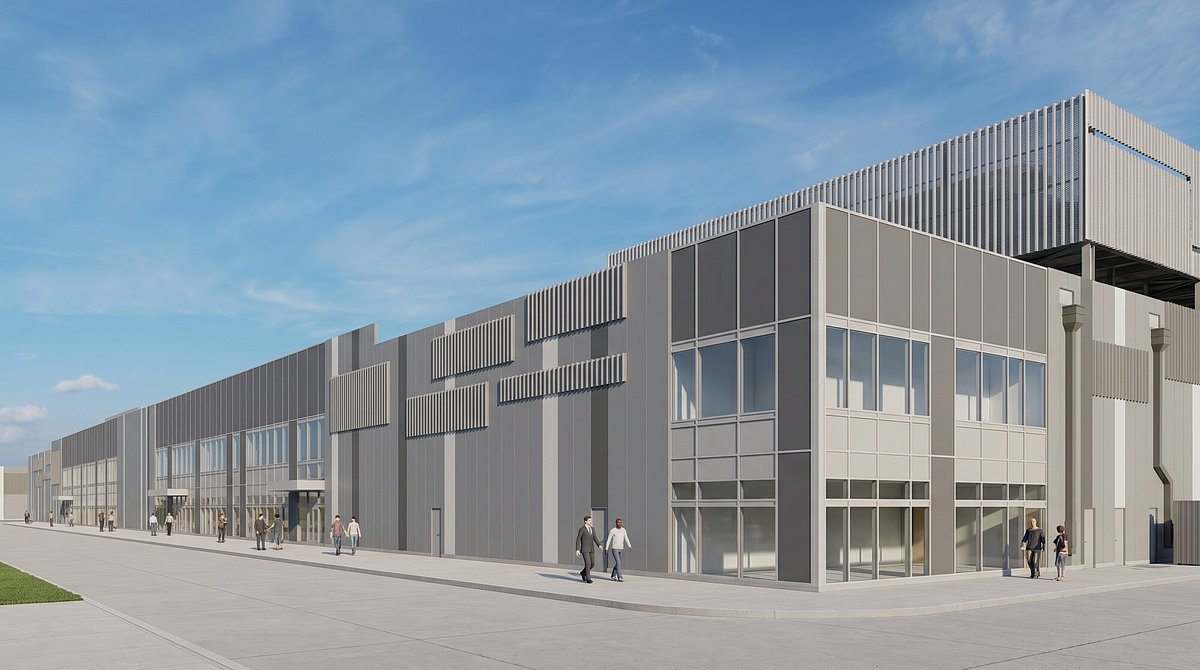
Kansas Goes Hyperscale: A $3B Data Center Transforms De Soto
DE SOTO, KS – April 29, 2026 – A quiet transformation is underway in this small Kansas town. Beale Infrastructure, a San Francisco-based developer, has officially broken ground on a colossal hyperscale data center campus, a project that represents a staggering $3 billion investment and marks Kansas's formal entry into the high-stakes world of digital infrastructure.
The development, dubbed 'Project Pilot', is the first of its kind in the state. Situated on a 290-acre site within the Flint Commerce Center, the campus is planned to ultimately feature four massive buildings totaling over one million square feet. The first phase, now underway, includes two facilities and is expected to bring hundreds of construction jobs and an initial 50 permanent operational roles to the local economy.
This project is more than just a new commercial development; it's a signal of a broader economic shift. As traditional data center hubs like Northern Virginia face land and power constraints, hyperscale cloud providers are pushing into America's heartland, drawn by available land, robust energy grids, and attractive government incentives. De Soto, once known primarily for its proximity to Kansas City, is now at the epicenter of this digital gold rush.
The Digital Plains: An Economic Gamble with Big Incentives
The economic promises of the project are immense. At full buildout, city officials estimate the campus could support between 200 and 300 permanent jobs. The city also anticipates a significant boost in franchise revenues, potentially reaching $5.5 million annually once the campus is fully operational, which officials hope will help reduce the tax burden on local residents.
To secure this investment, both state and local governments rolled out a considerable welcome mat. The project is a primary beneficiary of Kansas Senate Bill 98, a 2025 law providing a 20-year sales tax exemption on construction materials and equipment for data centers that invest at least $250 million and create a minimum of 20 jobs. On top of that, the De Soto City Council approved up to $50 billion in Industrial Revenue Bonds (IRBs). While this headline-grabbing number represents a cap on total private investment that could qualify for incentives over decades, its immediate effect is to grant the project a 10-year property tax abatement for each of its four buildings, with the developer making smaller Payments in Lieu of Taxes (PILOTs) during that period.
This project joins a growing cluster of digital infrastructure in the region. Meta operates a $1 billion facility in nearby Kansas City, Missouri, where Google is also constructing a massive $10 billion campus. The trend is clear: the Midwest is rapidly becoming the new backbone of the internet, and Kansas is aggressively competing for its share.
A Responsible Model Under Scrutiny
Beale Infrastructure has heavily promoted its 'responsible development model,' emphasizing that all major infrastructure—including power delivery and water systems—will be privately funded. This approach is designed to prevent costs from being passed on to local residents and ratepayers, a common point of friction with large-scale industrial projects. The developer has also highlighted its commitment to community engagement and environmental stewardship.
However, the project's vast resource requirements have drawn concern. Data centers are notoriously thirsty, using millions of gallons of water for cooling, and intensely power-hungry. While Beale's plan includes privately funding upgrades to De Soto's water and wastewater systems, some residents have voiced unease about the long-term strain on the Kansas River, a primary source of drinking water for the region.
These concerns are amplified by the developer's track record elsewhere. A similar, even larger Beale project in Tucson, Arizona, which was reportedly linked to Amazon Web Services, was withdrawn after facing fierce public opposition and local government action over its projected water use in the arid environment. While De Soto's water situation is different, the Arizona episode casts a shadow over the developer's environmental assurances and raises the stakes for local oversight.
Furthermore, despite the company's stated commitment to transparency, some residents expressed frustration over what they felt was inadequate notification before the city approved the initial incentive package, highlighting a potential gap between corporate outreach and community perception.
The New Industrial Heartland
The data center's location is no accident. It sits on industrially zoned land directly adjacent to the multi-billion dollar Panasonic electric vehicle battery manufacturing plant. This strategic co-location creates a powerful industrial symbiosis, positioning De Soto as a unique hub for two of the 21st century's most critical and resource-intensive industries: digital data and green energy.
Together, these projects represent a fundamental reshaping of the regional economy, creating what planners hope will be a self-reinforcing ecosystem of technology and advanced manufacturing. Powering this new industrial heartland falls to the local utility, Evergy, which is preparing for a significant surge in demand. Crucially, both the data center and the battery plant are expected to pay the full cost of their energy and fund the necessary infrastructure upgrades, avoiding subsidized rates that could impact other customers.
Behind the Curtain: The Secret Tenant Fueling the Boom
Beale Infrastructure is not building this campus on speculation. The press release confirmed the entire campus is pre-leased to a single, unnamed 'large technology company.' While the tenant's identity remains a closely guarded secret, city documents and public statements have provided tantalizing clues.
An attorney representing the developer noted the tenant is among the "strongest, most financially profitable companies in the world" and a name "everyone in this room would know." City records have referenced tech giants like Google, Meta, Amazon, and Microsoft as the typical occupants of such facilities. Given Beale's past project links and the massive expansion plans of all major cloud providers to fuel the artificial intelligence boom, any of these hyperscalers are plausible candidates.
The presence of such a tenant provides immense financial security for the project but also underscores the immense, often invisible, power these corporations wield in shaping local economies and environments across the globe. For the residents of De Soto, the arrival of this digital behemoth brings a complex mix of opportunity and risk, promising economic revitalization while simultaneously testing the community's resources and its faith in the promises of its new corporate neighbor.