
- 15% year-over-year revenue increase to $4.5 million in Q3 2025
- 76.7% surge in gross profit attributed to the Bethesda partnership
- $8 million projected Q4 gross sales, driven by the Fallout product line
Experts agree that Jones Soda’s strategic partnership with Bethesda exemplifies how authentic, fan-centric collaborations can drive unprecedented market success and brand loyalty.
Jones Soda’s Fallout Bet: A Blueprint for Brand Partnership Success
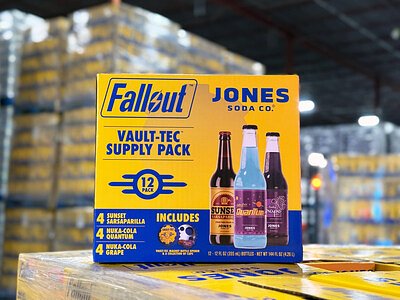
SEATTLE, WA – December 04, 2025 – In the competitive world of consumer packaged goods, a home run is rare. A grand slam that changes the game is even rarer. Yet, Seattle-based Jones Soda Co. appears to have achieved just that, not through a revolutionary new flavor alone, but through a masterfully executed partnership that taps into one of the most passionate consumer bases on the planet: video gamers. The company’s recent announcement of a nationwide expansion of its Fallout-themed Vault-Tec Supply Packs into Costco clubs is more than a simple distribution win; it's a case study in strategic brand synergy, market disruption, and the lucrative power of fandom.
Anatomy of a Sell-Out Success
The story began in October when the first pallets of the Vault-Tec Supply Packs—multi-flavored 12-packs bundled with collectibles inspired by Bethesda Softworks' iconic gaming franchise—landed in a handful of Northeast Costco locations. They sold out in days. The response was not just positive; it was voracious. On secondary markets like eBay, the $19 packs were being scalped for upwards of $125, a clear signal of intense, unmet demand.
This fervor wasn't accidental. Jones Soda and Bethesda didn't just slap a logo on a bottle; they meticulously crafted an experience. The collaboration included not only the Costco-exclusive pack but also a separate online offering of a new flavor, Sunset Sarsaparilla. This root beer-like soda, bundled with custom carriers and in-universe postcards, proceeded to shatter Jones Soda's single-day, week, and month e-commerce records.
The secret ingredient was authenticity. The partnership went beyond surface-level branding by integrating elements directly from the game's lore. The most brilliant example is the "Blue Star Cap" sweepstakes for Sunset Sarsaparilla, a real-world execution of a promotional quest from the fan-favorite game Fallout: New Vegas. By revealing that one in every twelve bottle caps is a "Blue Star Cap" offering entry into a sweepstakes, the companies transformed a simple beverage into a collectible treasure hunt. This move demonstrated a deep understanding of the gamer mindset, which thrives on discovery, rarity, and reward. It’s this level of detail that elevates a product from merchandise to a genuine extension of the gaming experience.
"The enthusiasm from Fallout fans has been incredible," said Scott Harvey, CEO of Jones Soda, in a recent statement. His acknowledgment that the consumer response "only reinforces why we do what we do" speaks volumes about the company's commitment to this fan-centric strategy. The upcoming launch of the Nuka-Cola Quantum "Rocket Bottle," a long-anticipated item by fans, promises to fuel the excitement even further.
The Costco Connection: A Strategic Retail Coup
For a craft soda company like Jones Soda, securing a national distribution deal with a retail behemoth like Costco is a monumental achievement. It provides a level of scale and market penetration that would be nearly impossible to achieve through traditional channels alone. This transaction is a powerful illustration of how a smaller, agile company can leverage a high-demand, niche product to unlock access to the mainstream market.
The financial impact is already proving to be transformative. While figures for the Q4 national rollout are still pending, Jones Soda's Q3 2025 results, which captured the initial success, are telling. The company reported a 15% year-over-year revenue increase to $4.5 million and a staggering 76.7% surge in gross profit. It attributed this performance directly to "record direct-to-consumer sales through the Bethesda partnership." Looking ahead, the company projects Q4 gross sales to exceed $8 million, a figure largely driven by the Fallout product line. This isn't just growth; it's a strategic pivot paying massive dividends, validating the company's bet on pop culture collaborations.
However, the path to national distribution wasn't without its challenges. Initial reports suggested that the limited October rollout was a decision made by Costco, not Jones Soda, leading to fan frustration over scarcity. This situation highlights the complex dynamics of retail partnerships, where the distributor often holds the keys to the kingdom. Yet, the overwhelming consumer outcry for wider availability likely played a crucial role in convincing Costco to greenlight the national expansion, demonstrating a rare instance where grassroots fan demand directly influenced corporate retail strategy on a national scale.
The Rise of Reverse Merchandising
The Jones Soda and Fallout collaboration is a prime example of a powerful trend disrupting the consumer goods landscape: "reverse merchandising." This is the practice of bringing fictional, in-world products from games, movies, or shows into the real world. Instead of creating merchandise about the brand (like a t-shirt with a logo), companies create the actual items fans have only seen on screen. From the Butterbeer at Universal's Wizarding World to Nuka-Cola Quantum, these products offer a tangible piece of a beloved universe.
This strategy is particularly effective within the gaming industry, a market projected to exceed $120 billion in IP licensing value by 2031. Brands are realizing that gamers are not a monolithic bloc but a diverse, highly engaged audience. Successful partnerships, like Chipotle’s "Burrito Builder" on Roblox or Coca-Cola’s collaboration with League of Legends, move beyond simple advertising to create interactive and authentic experiences.
What makes these collaborations so powerful is their ability to tap into nostalgia and a sense of belonging. Owning a real bottle of Nuka-Cola Quantum isn't just about drinking a soda; it's about holding an artifact from a world players have spent hundreds of hours exploring. It validates their passion and deepens their connection to the franchise. For Bethesda, this strategy is invaluable. It keeps the Fallout brand relevant and top-of-mind between major game releases and complements other media, such as the hit Amazon Prime series, creating a self-reinforcing ecosystem of engagement.
This approach represents a paradigm shift in brand licensing. The most successful partnerships are no longer just transactional; they are experiential. They offer fans a new way to interact with the stories they love, and in doing so, they create a level of brand loyalty and sales velocity that traditional marketing struggles to replicate. As more companies look to engage the massive and growing gaming audience, the blueprint established by Jones Soda and Bethesda will undoubtedly serve as the new gold standard for cross-industry collaboration. The success of this partnership shows that the most effective market disruptors are often those who listen intently to their fans and give them exactly what they want, even if it’s a sarsaparilla from a post-apocalyptic wasteland.