
- JFC has received 3 national safety recognitions since 2023, including the 2025 National Health and Safety Excellence Award
- Construction workers face suicide rates nearly double the national average
- JFC's safety programs have reduced incident rates significantly below national averages
Experts would likely conclude that JFC's holistic approach to safety—combining mental wellness, predictive technology, and a strong 'Culture of Care'—sets a new industry standard for worker well-being and operational excellence.
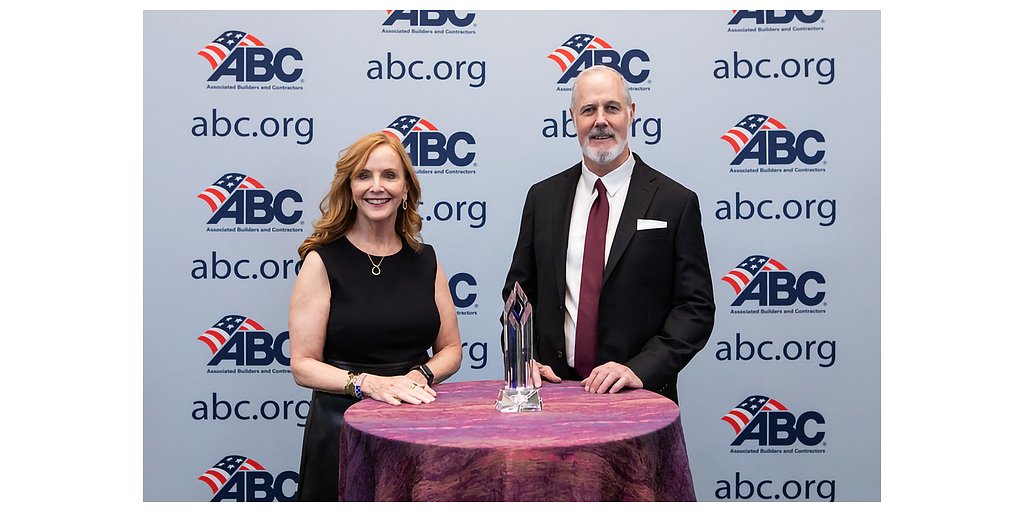
JFC's Safety Award Highlights Industry Shift to Holistic Worker Well-Being
EL PASO, TX – April 08, 2026 – Jordan Foster Construction (JFC) has been honored with the 2025 National Health and Safety Excellence Award by the Associated Builders and Contractors (ABC), a recognition that underscores a growing movement within the construction sector to redefine jobsite safety. While the award celebrates industry-leading performance, it also illuminates JFC’s comprehensive strategy—one that extends far beyond traditional physical hazard prevention to embrace mental wellness, predictive technology, and a deeply embedded “Culture of Care.”
This marks the third national safety recognition for the Texas-based firm since 2023, following prestigious accolades such as the Associated General Contractors of America's Grand Award for Construction Safety Excellence in 2024. This consistent recognition suggests that the company's approach is not just a passing initiative but a fundamental shift in operational philosophy, setting a new benchmark in an industry grappling with persistent risks.
“This recognition reflects the operational discipline that guides our projects across all phases of construction,” said Darren Woody, Chief Executive Officer of JFC. “Our responsibility extends beyond building projects; it includes ensuring that every individual who steps onto our jobsites returns home safely.”
A New Standard for Safety Excellence
The National Health and Safety Excellence Award from ABC is more than a commendation; it is a validation of a company's entire safety ecosystem. The selection process is notoriously rigorous, requiring applicants to demonstrate top-tier performance through ABC's Safety Training Evaluation Process (STEP). Companies must achieve Gold, Platinum, or Diamond status in STEP, a system that measures and enhances safety programs, often resulting in incident rates significantly below national averages reported by the Bureau of Labor Statistics.
Candidates are judged on detailed data submissions, including incident rates and self-evaluation scores, and undergo a qualitative review that includes interviews with senior leadership. This dual focus on hard data and cultural commitment ensures that only companies with truly holistic and effective safety programs are recognized. For JFC, this award affirms years of intentional investment in a system that integrates people, processes, and technology.
Beyond Hard Hats: Tackling Construction's Mental Health Crisis
While the construction industry has long focused on mitigating the “Fatal Four”—falls, struck-by objects, electrocutions, and caught-in/between incidents—a more insidious threat has gained overdue attention: the mental health crisis among its workforce. Construction workers face disproportionately high rates of anxiety, depression, and suicide, with some studies indicating a suicide rate nearly double the national average. Factors such as tight deadlines, long hours, job insecurity, and a pervasive culture of “toughness” have historically created barriers for those needing support.
JFC is confronting this challenge head-on by integrating mental wellness into its core Environmental Health and Safety (EHS) strategy. The company has taken the significant step of creating a dedicated Mental Wellness Manager role, held by EHS Operations Manager Asma Bayunus. This position ensures mental health awareness is not an afterthought but is intentionally woven into all safety training and workforce development.
Initiatives like Mind Saver, a CPR-aligned mental health awareness program, and VitalCog, a construction-specific suicide prevention training, are embedded in leadership development and OSHA 30 courses. These programs equip employees with the tools to recognize warning signs in their peers, initiate supportive conversations, and connect colleagues with critical resources.
“Safety lives in the daily decisions our teams make from planning work to supporting one another in the field,” said Asma Bayunus. “Through the integration of field engagement, data-driven insights, and mental wellness initiatives, our EHS team is committed to building a culture where every employee feels safe, supported, and empowered to speak up.”
The Human Element and The Business Case
At the heart of JFC’s success is a culture that fosters generational trust and empowers its workforce. The presence of multi-generational families, such as the Vottas in El Paso and the Acuña and Rivas families in Austin, working within the organization speaks volumes about the confidence employees place in the company's commitment to their well-being.
This trust is cultivated through programs like the Field Safety Leader initiative. The program identifies and elevates experienced craft professionals to serve as safety advocates within their crews, fostering peer-to-peer accountability and enhancing real-time hazard awareness. By empowering individuals on the front lines, safety transforms from a top-down mandate into a shared responsibility.
This profound investment in people also delivers a powerful business advantage. A safe jobsite is an efficient and reliable one. As projects become more complex and schedules more compressed, the ability to mitigate risk becomes a crucial differentiator.
“Our clients entrust us with complex projects and high expectations,” noted Tricia Kagerer, Executive Vice President of Risk Management. “When safety is integrated into how projects are planned and executed, it strengthens schedule reliability, quality outcomes, and overall project performance.” This demonstrates that a robust safety culture is not a cost center but a driver of operational excellence and long-term value for clients and partners.
Building the Future with Data and Discipline
Complementing its human-centric approach is a forward-thinking embrace of technology. JFC is leveraging advanced digital platforms and artificial intelligence to shift its safety management from a reactive posture to a predictive, data-driven one. By analyzing vast amounts of data from project sites, the company can identify potential risks, spot trends, and proactively reinforce best practices before an incident occurs.
This strategic use of AI moves beyond simply reacting to past accidents. It enables project teams to anticipate hazards, optimize workflows, and improve communication in the field. This technological integration, combined with a “common safety leadership language” that ensures consistency across all projects, modernizes the construction environment and aligns safety practices with the demands of a rapidly evolving industry.
By combining operational discipline, deep workforce engagement, and technology-driven insights, Jordan Foster Construction is not just building structures but also shaping a more resilient and sustainable future for the industry. Its holistic philosophy—that supporting people physically, mentally, and professionally leads to stronger teams and safer jobsites—serves as a compelling model for others to follow.