
- $74 billion: The projected size of the global portable protein snack market by 2034, up from $24 billion in 2024.
- 14 grams of protein: Each packet of the new Wild Caught Light Tuna with Frank's RedHot® contains 14 grams of protein at just 70 calories.
- $200 million: Thai Union's investment in sustainability initiatives through 2030.
Experts would likely conclude that Chicken of the Sea's strategic partnership with Jessica Simpson and Frank's RedHot® is a well-calculated move to revitalize its brand, tap into booming consumer trends, and maintain relevance in a competitive market, though its long-term success will depend on delivering on sustainability promises.
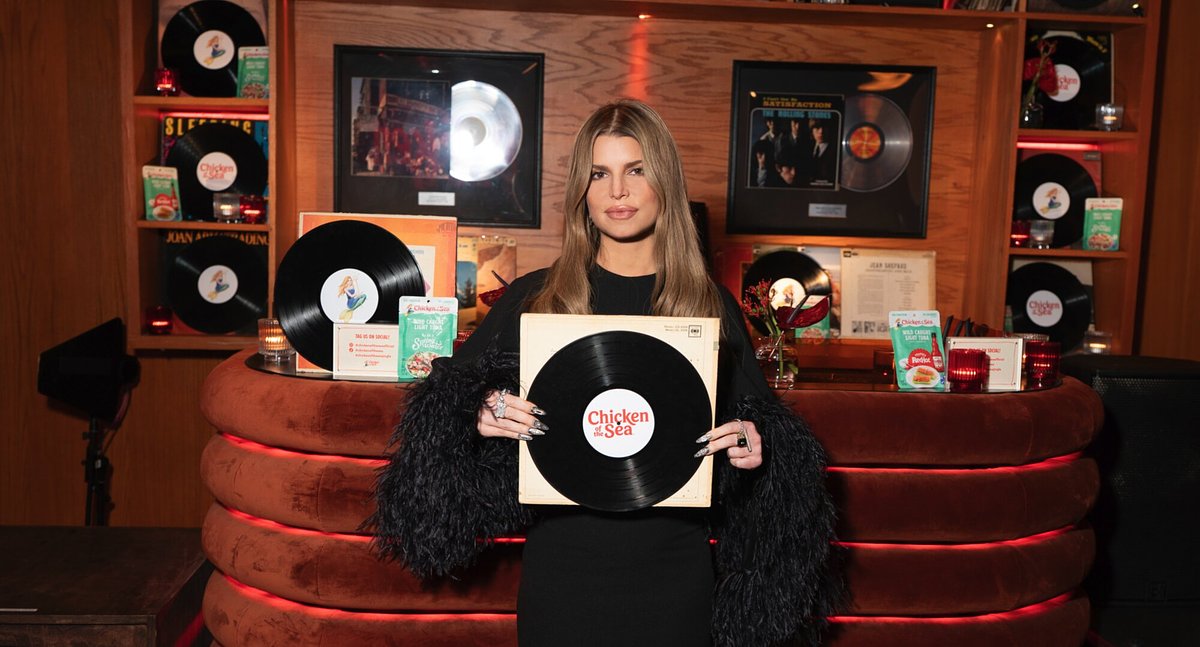
Jessica Simpson and Chicken of the Sea: A Spicy Bet on Nostalgia
PITTSBURGH, PA – January 14, 2026 – In a strategic move blending pop culture nostalgia with modern consumer trends, Chicken of the Sea is launching a major brand refresh, tapping musical artist and billion-dollar entrepreneur Jessica Simpson to reimagine its classic jingle. The campaign coincides with the debut of a bold new product: the Wild Caught Light Tuna Packet with Frank's RedHot®, a collaboration aimed squarely at the booming market for convenient, high-protein, and intensely flavored snacks.
This multi-pronged initiative represents more than just a new jingle or product; it's a calculated effort by the century-old seafood brand to revitalize its image, connect with a younger demographic, and solidify its position in the highly competitive on-the-go food sector. By pairing a beloved celebrity with an iconic hot sauce, Chicken of the Sea is executing a modern playbook for legacy brand relevance.
A Modern Twist on a Classic Tune
At the heart of the campaign is the revival of the memorable "Ask any mermaid you happen to see..." jingle that first aired in the 1960s. In a new 30-second television and digital spot, Jessica Simpson is featured in a recording studio, lending her powerful vocals to an updated, contemporary version of the tune. The ad cleverly weaves in the new spicy tuna packet, positioning it as the protein-packed fuel powering her through the session.
The choice of Simpson is far from arbitrary. Having successfully transitioned from a multi-platinum pop star to the force behind the billion-dollar Jessica Simpson Collection fashion empire, she embodies a unique blend of glamour and relatability. Her brand, built on authenticity and an appeal to "real women," resonates strongly with a core demographic of millennial and Gen X consumers who grew up with her music and now navigate busy lives as parents and professionals. This established trust and her massive social media following - over 6 million on Instagram alone - provide a powerful platform to reintroduce the brand to both nostalgic fans and a new generation.
"We couldn't imagine a better partner than Jessica Simpson to revamp our brand's beloved jingle," said Griffin Raasch, Director of Marketing at Chicken of the Sea, in a statement. "And this felt like the perfect moment to announce our newest tuna packet made in partnership with Frank's RedHot®."
This strategy mirrors successful revitalization efforts by other legacy brands like Old Spice and Dunkin', which leveraged witty advertising and celebrity partnerships to shed dated perceptions and capture a younger market. By dusting off a classic jingle, Chicken of the Sea taps into a reservoir of brand equity while signaling a fresh, modern direction.
Tapping into the Red-Hot Snack Market
The collaboration is timed perfectly to capitalize on several powerful consumer trends. The global portable protein snack market is experiencing explosive growth, projected to surge from approximately $24 billion in 2024 to over $74 billion by 2034. Today's consumers are increasingly prioritizing health and convenience, seeking out ready-to-eat options that are high in protein, low in calories, and easy to consume on the go.
The new Chicken of the Sea Wild Caught Light Tuna Packet with Frank's RedHot® is engineered to meet these demands precisely. Each shelf-stable packet contains 14 grams of lean protein at just 70 calories, requiring no preparation or refrigeration. This makes it an ideal choice for office lunches, post-workout snacks, or a quick addition to salads and wraps.
Simultaneously, the partnership leverages the meteoric rise of spicy flavors. The spicy snack market is itself a multi-billion-dollar industry, with consumers, particularly younger ones, actively seeking out bolder and more adventurous taste profiles. Frank's RedHot, a McCormick & Company brand, is the undisputed leader in this space, with its famous tagline, "I put that $#!t on everything," becoming a cultural meme. By infusing its wild caught tuna with the iconic Original Cayenne Pepper Sauce, Chicken of the Sea instantly gains credibility and excitement among spice enthusiasts.
This co-branding is a proven strategy. Frank's RedHot has a long history of successful partnerships, lending its fiery flavor to everything from Goldfish crackers and Lay's potato chips to Pizza Hut pizzas. For Chicken of the Sea, the collaboration is a shortcut to innovation, allowing the brand to tap into a pre-existing, passionate fan base and differentiate itself in the crowded snack aisle.
The Legacy Brand Playbook for Relevance
The campaign illustrates a broader strategic playbook for how established brands can maintain relevance in a fast-changing marketplace. Rather than relying on a single tactic, Chicken of the Sea is deploying a three-tiered approach: leveraging celebrity influence, invoking powerful nostalgia, and driving product innovation through a strategic partnership. This holistic strategy acknowledges that modern consumers are not just buying a product, but also the story and values associated with a brand.
The partnership is mutually beneficial. For Chicken of the Sea, it provides an immediate injection of modern cultural relevance and access to new flavor territory. For McCormick's Frank's RedHot, it expands its brand's footprint into the healthy protein and seafood segment, reinforcing its versatile, "put it on everything" identity. This synergy between two well-established companies creates a compelling proposition for retailers and consumers alike.
This move is part of a larger trend of legacy food giants adapting to survive. From Domino's Pizza's famous "Pizza Turnaround" campaign, which embraced transparency to overhaul its core product, to Dunkin's rebrand to a beverage-led company, the most successful heritage brands are those willing to evolve. Chicken of the Sea's latest initiative demonstrates a clear understanding that staying relevant requires more than just a good product; it demands a dynamic and responsive marketing strategy that speaks to the culture of the moment.
Navigating the Waters of Sustainability
Underpinning this ambitious marketing push is the growing importance of corporate responsibility, particularly in the seafood industry. Chicken of the Sea is owned by Thai Union, a global seafood leader that has staked its reputation on a comprehensive sustainability strategy called SeaChange® 2030. The company has committed over $200 million through 2030 to achieve ambitious goals, including a 42% reduction in greenhouse gas emissions, ensuring 100% of its wild-caught seafood is responsibly sourced, and contributing millions to restore marine ecosystems.
Thai Union's efforts have earned it top rankings on sustainability benchmarks, including being listed on the Dow Jones Sustainability Indices for 11 consecutive years. For a brand like Chicken of the Sea, these commitments are crucial for building trust with environmentally conscious consumers. The company even offers a "Trace Your Catch" feature on its website, providing a degree of transparency into its supply chain.
However, the path is not without scrutiny. The complexities of global fishing have led to criticism from some environmental NGOs, which have accused Thai Union of "greenwashing" and questioned whether its on-the-ground practices fully align with its public pledges. These critiques highlight the immense challenge of ensuring true sustainability across vast, international supply chains. As Chicken of the Sea works to win over a new generation of consumers with celebrity flair and spicy flavors, its ability to demonstrably deliver on its environmental and ethical promises will remain a critical component of its long-term brand health.