
- $1B+ Investment: FIDEM Energy aims to deploy over a billion dollars to scale its renewable natural gas (RNG) projects in the U.S. and Canada.
- 90% Untapped Potential: Industry analysis suggests that 90% of North America’s landfill gas-to-energy project potential remains undeveloped.
- $200-330M USD Allocation: Sojitz’s Medium-term Management Plan 2026 dedicates JPY 30-50 billion (~$200-330 million USD) to clean technology investments.
Experts would likely conclude that this strategic partnership between FIDEM Energy and Sojitz Corporation represents a significant step forward in the U.S. renewable natural gas sector, leveraging international investment to unlock vast untapped potential and accelerate decarbonization efforts.
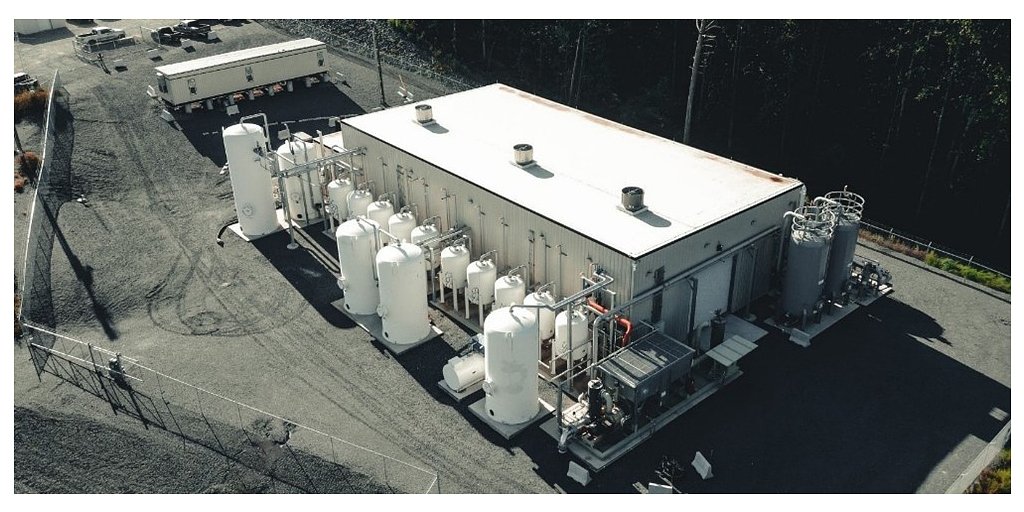
Japanese Giant Sojitz Fuels FIDEM's Billion-Dollar US Biogas Play
CLEVELAND, TN – April 01, 2026 – In a significant move signaling growing international confidence in the American renewable energy sector, Tennessee-based FIDEM Energy LLC has announced a strategic partnership with Japanese trading powerhouse Sojitz Corporation. The collaboration, backed by a direct equity investment from Sojitz, is set to accelerate the development of renewable natural gas (RNG) projects across the United States and Canada, with FIDEM aiming to deploy over a billion dollars to scale its operations.
This partnership unites FIDEM’s deep operational expertise in converting landfill gas into clean energy with Sojitz's formidable global commercial network and financial strength. The deal marks Sojitz’s official entry into the U.S. biomethane production market and positions FIDEM to rapidly expand its footprint, transforming landfill waste into a valuable energy resource for both domestic and international consumption.
A Cross-Pacific Alliance for Green Transformation
The partnership is more than a simple capital injection; it represents a strategic alignment of complementary strengths. FIDEM Energy, founded by veterans of the solid waste industry, brings decades of hands-on experience in landfill management and biogas facility development. Sojitz Corporation, a conglomerate with a 160-year history, provides the commercial acumen and global market access needed to elevate FIDEM’s platform to a national and international scale.
Through its wholly owned subsidiary, Sojitz Corporation of America, Sojitz has taken an equity stake in FIDEM, making it an equity method affiliate. This move is a core component of Sojitz’s Medium-term Management Plan 2026, which prioritizes "green transformation" and allocates between JPY 30-50 billion (approximately $200-330 million USD) for new investments in the clean technology sector. For Sojitz, the partnership is a direct pathway to securing a supply of biomethane, with stated intentions to eventually supply the fuel to Japan and other markets across Asia, supporting global decarbonization efforts.
“Sojitz’s extensive trading expertise and global footprint provide a strong platform for accelerating growth across the US and Canada and emerging Japanese and international markets,” said FIDEM President, Ben Johnston, in the announcement. “This partnership positions FIDEM to advance its long‑term growth strategy, expanding organically while pursuing targeted acquisitions that strengthen our market position.”
Project development is expected to ramp up immediately, leveraging the new capital and strategic support to begin construction on several new facilities in the near future.
Tapping America’s Vast RNG Potential
The timing of this partnership aligns with the explosive growth of the U.S. renewable natural gas market, which has surged from a value of $458 million in 2018 to an estimated $2.4 billion in 2024. RNG is produced by capturing and processing biogas—primarily methane—from organic waste sources like landfills, agricultural waste, and wastewater treatment plants. By preventing this potent greenhouse gas from entering the atmosphere and converting it into a pipeline-quality fuel, RNG projects offer a dual environmental benefit.
Landfill gas remains the dominant feedstock, accounting for roughly two-thirds of all U.S. RNG production. Despite the recent market boom, industry analysis suggests that as much as 90% of the potential for landfill gas-to-energy projects in North America remains untapped. It is this vast, underdeveloped resource that FIDEM and Sojitz are targeting.
With the goal of deploying over a billion dollars, FIDEM aims to capture a significant share of this market. The investment will fuel the development of its existing portfolio of gas rights and fund targeted acquisitions, establishing a robust platform capable of meeting rising demand from transportation, utility, and industrial sectors seeking to displace fossil-based natural gas and meet ambitious decarbonization targets.
From Landfill Expertise to a Robust Project Pipeline
FIDEM Energy’s competitive edge lies in its management team’s unique lineage. Having founded, operated, and successfully exited one of the largest privately held solid waste companies in the country, its leaders possess an unparalleled understanding of the intricacies of landfill operations. This specialized knowledge allows the company to efficiently identify high-potential sites, navigate complex permitting processes, and optimize the design and operation of gas collection and processing facilities.
Currently, FIDEM owns and operates one landfill-based RNG facility in Tennessee. However, its ambitions stretch far beyond this initial project. The company holds a broad portfolio of development rights at ten different locations across the Southeast and Texas, including sites in Georgia, Alabama, North Carolina, and Arkansas.
According to recent congressional testimony from FIDEM's leadership, the company already has two additional RNG projects in the design and construction phase, with another two sites undergoing the installation of landfill gas collection and control systems. The infusion of capital and strategic support from Sojitz is expected to dramatically accelerate this pipeline, turning development rights into operational assets that produce clean energy.
Navigating a Dynamic Regulatory and Market Landscape
The viability of the billion-dollar expansion rests heavily on a supportive, albeit complex, regulatory environment. The primary driver for the U.S. RNG market is the federal Renewable Fuel Standard (RFS), a program administered by the Environmental Protection Agency (EPA) that mandates the blending of renewable fuels into the nation's transportation fuel supply. RNG projects generate valuable credits, known as Renewable Identification Numbers (RINs), which create a powerful financial incentive for production.
Recent EPA actions, including the "Set 2" rule that establishes higher volume requirements for cellulosic biofuels through 2027—of which RNG is the main component—have provided a degree of market certainty. However, the industry also faces new complexities, such as the EPA’s Biogas Regulatory Reform Rule (BRRR), which introduces more stringent registration and compliance measures for projects seeking to generate RINs.
In addition to federal programs, state-level incentives like California's Low Carbon Fuel Standard (LCFS) provide further revenue streams. While the transportation sector has been a primary consumer of RNG, market dynamics are shifting. As some vehicle fleets explore electrification, the industry is increasingly looking to diversify its end-uses to include utility gas supply, industrial heating, and even hydrogen production. FIDEM and Sojitz's strategy appears poised to capitalize on this diversification, building a platform capable of supplying reliable, sustainable energy to a wide array of domestic and international markets for years to come.