
- Contract Value: JPY 283.1 billion ($1.9 billion) for the satellite constellation project
- Project Duration: Five-year operational period (2026–2031)
- Revisit Rate: Enhanced frequency of satellite imagery for critical monitoring
Experts view this initiative as a strategic shift in Japan's defense procurement, leveraging private-sector agility and innovation to bolster national security while testing the viability of public-private partnerships in high-stakes defense projects.
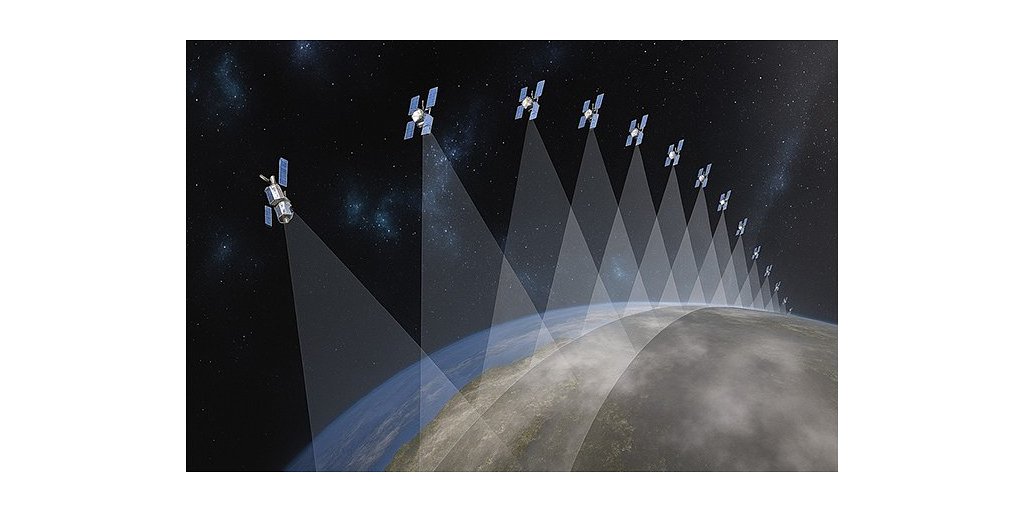
Japan Taps Private Sector for Advanced Defense Satellite Constellation
TOKYO, Japan – February 20, 2026 – In a strategic move to enhance its national security architecture, the Japan Ministry of Defense (MoD) is leveraging private-sector innovation to build a next-generation satellite constellation. Microsatellite developer Axelspace Corporation announced it has secured a pivotal contract to serve as the sole provider of optical imagery for this landmark initiative, signaling a new era of public-private collaboration in the nation's defense strategy.
The project, structured as a Private Finance Initiative (PFI), is designed to provide Japan’s Self-Defense Forces with stable, high-frequency imagery intelligence. This data is considered essential for bolstering the country’s “stand-off defense capabilities”—the ability to counter threats from beyond an adversary's immediate range—amid a complex and evolving security environment in East Asia.
A New Paradigm in National Security
The initiative represents a significant shift in how Japan procures critical defense infrastructure. Instead of a traditional government-led development process, the MoD has awarded a contract worth JPY 283.1 billion (approximately $1.9 billion) to a specially formed private entity. This contract was officially signed on February 19, 2026, with Tri-Sat Constellation Co., Ltd., a special purpose company (SPC) established by a trio of Japanese industrial giants: Mitsubishi Electric Corporation, SKY Perfect JSAT Corporation, and Mitsui & Co., Ltd.
This consortium will oversee the entire project, from development and deployment to operation, with the goal of having the system fully operational for a five-year period concluding on March 31, 2031. The structure allows the MoD to tap into the agility and technological prowess of the commercial sector while transferring significant financial and operational risk.
Mitsubishi Electric, a major satellite manufacturer, serves as the lead company. SKY Perfect JSAT and Mitsui & Co. will contribute their extensive experience in project management, ground infrastructure, and operational services, ensuring the MoD receives priority access to the imagery it needs.
The Rise of Commercial Space in Defense
At the heart of this new constellation are “New Space” companies, whose cost-effective and innovative technologies are reshaping the industry. Axelspace, as the sole provider of optical imagery, will utilize its expertise in microsatellites to meet the demanding needs of national security. The Tokyo-based firm is known for its GRUS constellation, which provides 2.5-meter resolution Earth observation data through its AxelGlobe service. This contract marks a major expansion for the company from the commercial sector into the high-stakes defense market.
Complementing Axelspace’s optical capabilities is consortium partner Synspective Inc., a specialist in Synthetic Aperture Radar (SAR) technology. Synspective will provide data from its StriX satellite constellation. Unlike optical satellites, which are limited by clouds and darkness, SAR can capture high-resolution images of the Earth’s surface in any weather, day or night. This all-weather capability is vital for persistent monitoring in a region often affected by cloud cover, providing a more resilient and comprehensive intelligence picture.
The inclusion of both Axelspace and Synspective highlights a key advantage of the PFI model: the ability to integrate cutting-edge, complementary technologies from specialized commercial firms into a unified national security solution. This hybrid approach combines the reliability of established defense contractors with the dynamism of the New Space ecosystem.
Bolstering Japan's Stand-Off Defense
The strategic impetus for this project is clear. Japan is actively modernizing its defense posture in response to increasing geopolitical tensions and the rapid military advancements of regional powers, including China and North Korea. The nation's 2023 defense budget heavily prioritized the development of stand-off defense capabilities, which depend on robust Intelligence, Surveillance, and Reconnaissance (ISR) to be effective.
High-quality, persistent satellite imagery is the cornerstone of modern ISR. It is essential for detecting and tracking mobile targets, monitoring military installations, and maintaining situational awareness across vast geographic areas. This new constellation will significantly enhance Japan's ability to gather the intelligence needed to support its long-range strike capabilities and deter potential aggression.
The project will not replace but rather augment Japan's existing government-owned Information Gathering Satellite (IGS) program. By integrating data from this new commercial constellation, the MoD aims to create a multi-layered, more resilient intelligence architecture with a much higher revisit rate—the frequency at which a satellite can image the same location. This ensures that critical areas can be monitored more closely and consistently.
Balancing Innovation with Security
While the PFI model offers compelling benefits—including faster deployment, access to innovation, and potential cost efficiencies—it also introduces challenges, particularly in the sensitive domain of national defense. Ensuring robust government oversight, safeguarding classified data, and managing long-term contractual obligations are paramount. The success of this project will serve as a crucial test case for future high-tech, public-private partnerships in Japan.
For Axelspace, the contract is a powerful validation of its technology and a strategic entry into a lucrative new market. “Based on the satellite development and operation technologies we have built to date, as well as our track record of stable image data provision, we aim to accurately address the needs of the national security field,” said Yuya Nakamura, President and CEO of Axelspace, in a statement. He added that the company will continue to expand its services in the private sector, which is also expected to see significant growth.
Ultimately, this initiative represents more than just the launch of new satellites; it marks a fundamental evolution in Japan's approach to national security. By forging a deep partnership with its burgeoning domestic space industry, the nation is not only enhancing its defense capabilities but also fostering an ecosystem of innovation that will be critical for maintaining its strategic edge in the 21st century.