
- €164 million: Record-breaking transaction for a single estate in Costa Smeralda
- 68%: Year-on-year revenue increase for Italy Sotheby's International Realty in 2025
- 8.4%: Italian premium property values appreciation by early 2025
Experts conclude that Italy's luxury property market is experiencing sustained growth driven by international demand, with the country solidifying its status as a top-tier destination for high-net-worth individuals seeking cultural heritage, lifestyle, and long-term value preservation.
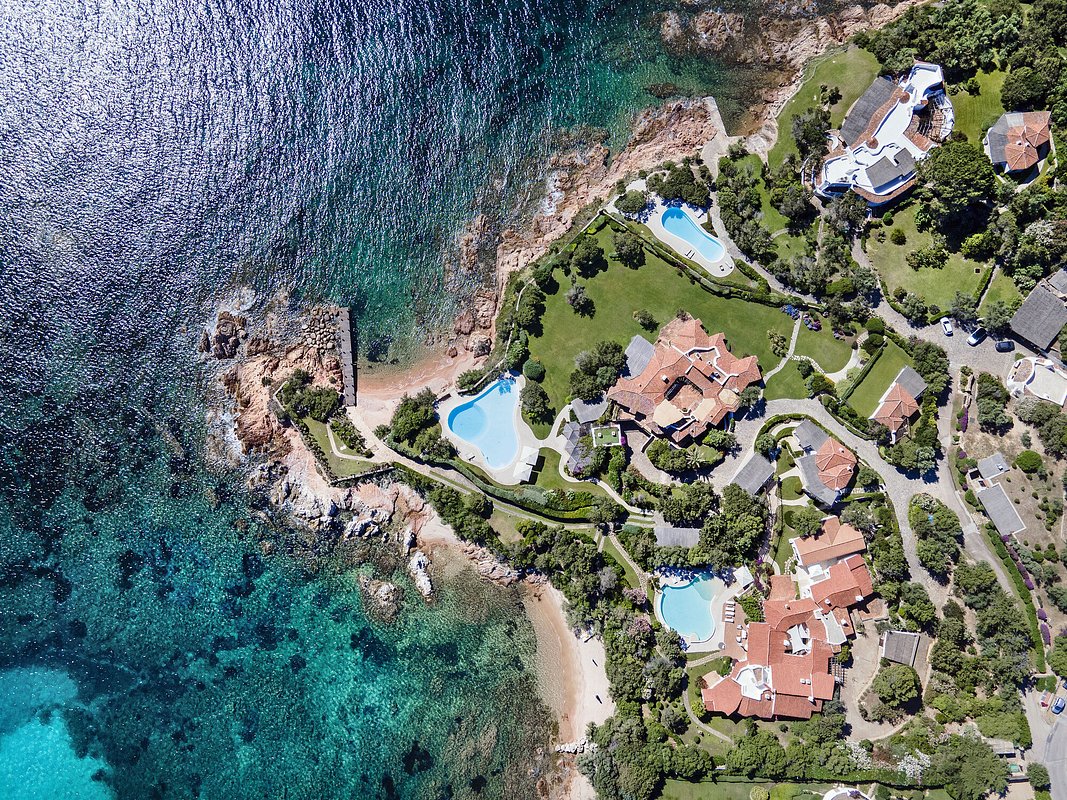
Italy's Luxury Property Market Soars on Wave of Global Wealth
MILAN, Italy – April 23, 2026 – Italy's high-end real estate market experienced an unprecedented surge in 2025, cemented by a record-breaking €164 million transaction for a single estate in Costa Smeralda. This landmark deal was a highlight in a banner year for Italy Sotheby's International Realty, which reported nearly €1 billion in total transactions and a 68% year-on-year revenue increase, signaling a powerful and sustained influx of international capital into the nation's most exclusive properties.
The results reflect a broader, seismic shift in the global luxury landscape, where Italy has firmly established itself as a primary destination for high-net-worth individuals (HNWIs). These buyers are seeking more than just a property; they are investing in a unique combination of cultural heritage, unparalleled lifestyle, and long-term value preservation that the Italian market currently offers in abundance.
A Market Reshaped by International Demand
The robust performance of the luxury segment stands in stark contrast to more volatile global markets. Independent industry analysis confirms this trend, with reports showing Italian premium property values appreciating by an impressive 8.4% by early 2025, outperforming traditional luxury strongholds like New York and London. The overall Italian House Price Index (HPI) grew by 4% in 2025, largely driven by the rising value of existing dwellings, which saw a 4.7% average increase.
This growth is overwhelmingly fueled by foreign investment. International buyers now account for an estimated 70% of transactions in the high-end segment. Italy Sotheby's International Realty's own figures show a diverse and eager client base, with over 32,000 inquiries in 2025. Buyers from the United States led the charge, representing 19% of the firm's international clientele, followed by Germany (11%), the United Kingdom (9%), and France (8%). This data underscores Italy's rise as a top-tier global hub for real estate portfolio diversification, rivaling and even surpassing other European nations in its appeal.
The New Definition of 'La Dolce Vita'
The modern luxury buyer in Italy has evolved. While the romantic ideal of 'la dolce vita' remains a powerful draw, today's discerning clientele has a new set of non-negotiable demands. The focus has shifted decisively towards turnkey properties that blend historical significance with modern convenience, privacy, and immediate livability.
"Today, 'unique' is defined by a combination of architectural significance, privacy and irreplaceable settings — from historic villas with provenance, to waterfront estates and prime city residences with terraces and iconic views," said Lodovico Pignatti Morano, Managing Partner at Italy Sotheby's International Realty. He notes a clear trend towards homes that offer outdoor space and discretion, reflecting a more mobile and experience-driven approach to property ownership.
This shift is driven by a younger, more dynamic demographic of international HNWIs. They value properties that are ready to be enjoyed from day one, often equipped with smart home technology, wellness facilities like private spas and gyms, and sustainable, eco-friendly features. There is also a growing interest in hybrid investments—historic palazzos or rural estates that serve as private family retreats while also generating income through high-end hospitality offerings. The allure of a rustic farmhouse in Tuscany or a historic villa on Lake Como is now paired with the expectation of seamless connectivity and five-star amenities.
Hotspots and Headwinds: The Geography of Investment
While demand is strong nationwide, investment is concentrated in a few key hotspots that have become synonymous with global luxury. Sardinia's Costa Smeralda led the way in 2025, with over €200 million in transactions, including the record €164 million sale in Romazzino. Lake Como also remains a perennial favorite, attracting over €140 million in deals.
Urban centers are not being left behind. Milan has solidified its position as one of Europe's leading 'super-prime' markets, where exclusive properties can command prices up to €22,000 per square meter. Rome, meanwhile, is experiencing a renaissance, with rising average transaction values and renewed interest in its prime historic assets. The growth is also spreading to emerging lifestyle destinations like Lake Garda, Verona, and Palermo.
This intense concentration of wealth is having a profound impact on local markets. The influx of capital helps fund the restoration and preservation of Italy's priceless architectural heritage and boosts local economies. However, it also contributes to significant property price inflation, raising concerns about affordability for local residents in coveted areas. The limited supply of these unique, irreplaceable properties naturally drives values higher, creating a highly competitive environment.
The 2026 Outlook: Consolidation and Continued Appeal
Looking ahead to 2026, experts predict the Italian luxury market will enter a phase of consolidation rather than explosive acceleration. Price growth is expected to be more moderate, with a national average increase of around 1.5%, though prime cities like Milan and Rome could still see appreciation between 3% and 7%. The market's trajectory will be defined by selective growth in locations with a limited supply of high-quality assets and robust international demand.
Several factors continue to bolster Italy's appeal. The nation's favorable tax regime, including a flat tax for new residents, makes it an attractive choice for wealth relocation. Furthermore, in an era of global uncertainty, Italy's tangible assets—its culture, history, and natural beauty—are increasingly viewed as a stable, long-term investment and a safe haven for capital.
The primary challenge remains a structural one: scarcity. The supply of truly exceptional properties is inherently finite, and navigating Italian bureaucracy to renovate or build can be complex. This dynamic of intense global demand meeting limited local supply will continue to define the nation's luxury real estate market, ensuring that Italy's most distinctive homes remain among the most sought-after prizes in the world.